













The Middle East conflict is accelerating Asia's energy transition, while the oil crisis is accelerating the electrification revolution.
2026-05-01 10:53:34
Faced with the shock of a sudden and sharp reduction in Middle Eastern crude oil supplies, Asia's initial emergency response was to increase coal-fired power generation, conserve fuel, and actively seek alternative oil sources in the global market.
While the conflict in Iran and the crisis in the Strait of Hormuz prompted Asian countries to take immediate steps to reduce oil and gas consumption, the quietly advancing electrification process in South and Southeast Asia (unlike the headline-grabbing growth of renewable energy and electric vehicles in major Asian countries) is now gaining momentum.
Asia was the first region to feel the impact of this crisis, and the impact has been severe.
Refineries have reduced their operating rates, many countries have banned fuel exports, and some countries have declared a state of emergency and reinstated work-from-home policies implemented during the COVID-19 pandemic.
With fuel prices soaring and shortages looming, Asia is embarking on a major long-term structural shift in its energy mix, aiming to reduce its dependence on oil and gas by developing domestic renewable energy sources and accelerating the adoption of electric vehicles.
Energy security is more important than ever as Asian countries face pressure from soaring import bills when procuring fossil fuels.
Analysts and climate advocates say the crisis has served as a wake-up call for all Asian governments, prompting them to accelerate electrification in the transportation and power sectors.
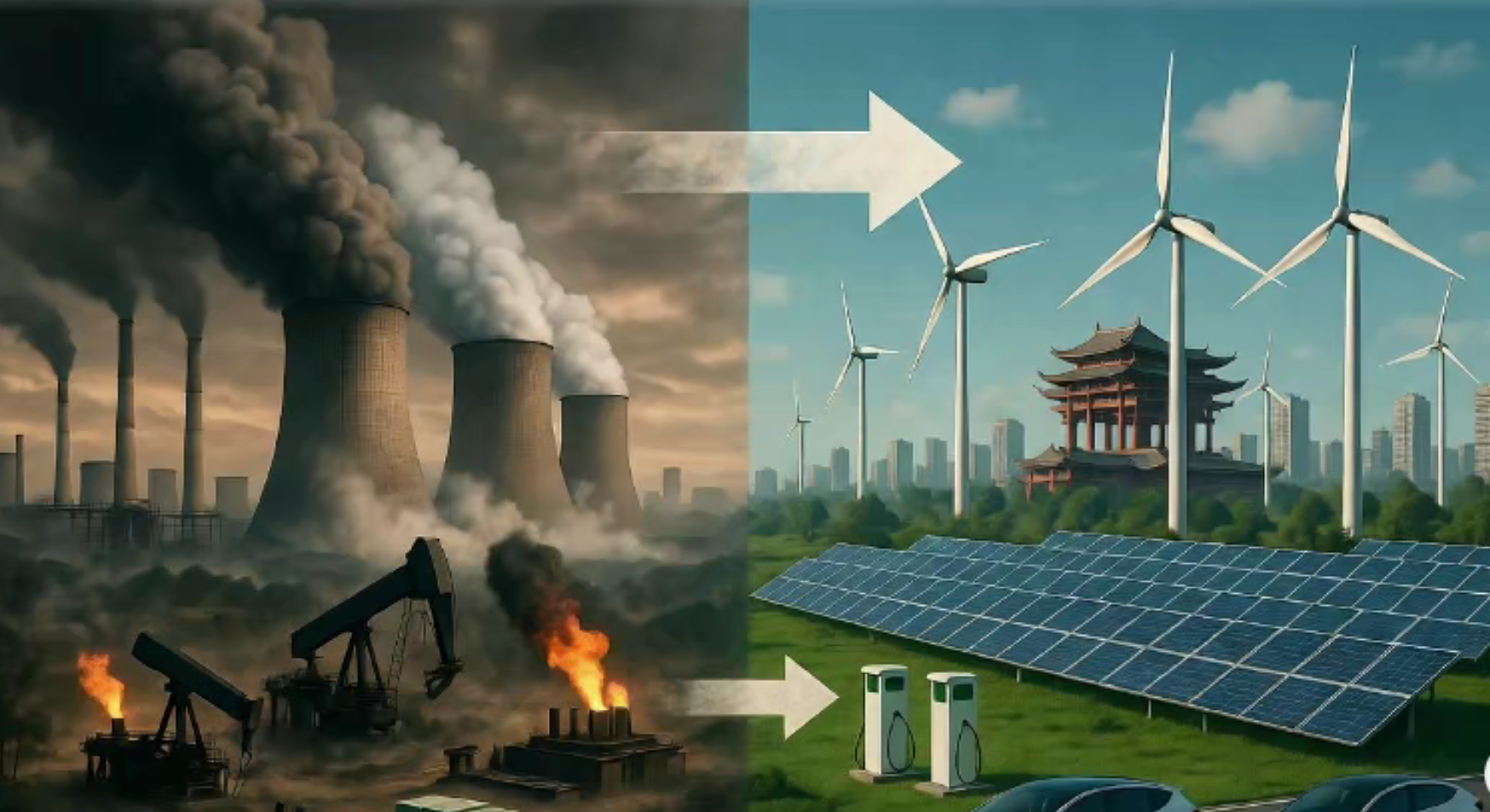
The sudden disruption of oil supplies from the Strait of Hormuz and the resulting surge in fuel prices have prompted consumers across Asia to turn to electric vehicles. Chinese electric vehicle manufacturers have become major beneficiaries of this new wave of electrification, with sales in South and Southeast Asia surging in the past two months.
It should be noted that even before the conflict in Iran broke out, Southeast Asia had already led the global wave of electric vehicle adoption.
An analysis released by the energy think tank Ember in December 2025 showed that ASEAN countries had the highest penetration rate of new passenger vehicle electric vehicles in the world, at a time when the Middle East conflict had not yet disrupted the energy market.
In countries such as Singapore, Vietnam, Thailand, and Indonesia, electric vehicles now account for a larger share of new passenger vehicle sales than in traditional automotive markets like the United States, the European Union, and the United Kingdom.
Ember Power & Data Analyst Euan Graham stated in December 2025: "The assumption that electric vehicle growth outside of Europe and China will stagnate is outdated. Emerging markets will shape the future of the global automotive market."
Following significant supply shocks in March and April, electric vehicle sales accelerated further across Asian markets, while the installed capacity and new capacity planning for solar and wind power generation also accelerated simultaneously.
This oil and gas crisis has exposed Asia's vulnerability to its heavy reliance on fossil fuel imports. With the Strait of Hormuz no longer seen as a reliable energy supply route, Asia is experiencing its own "Ukraine moment"—a similar awakening to the situation Europe felt four years ago after the Russia-Ukraine conflict cut off Russian pipeline gas supplies.
"The current crisis has exposed Asia's vulnerability to oil; this is Asia's Ukraine moment," said Daan Walter, chief analyst at Ember, last month.
Walter added, "Unlike the oil crisis of the 1970s, there are better alternatives today. Electric vehicles are becoming increasingly cost-competitive with gasoline vehicles."
"Fluctuations in oil prices mean that choosing electric vehicles is a wise move for countries looking to protect against future shocks."
In the context of the current oil and gas supply shocks, renewable electricity and battery energy storage systems (BESS) are receiving increasing attention.
The installed capacity of battery energy storage systems in Asia, including China, is expected to grow significantly over the next decade. A forecast released by Fastmarkets at the Asian Battery Raw Materials and Recycling Conference in Hanoi indicates that global new capacity for battery energy storage systems will increase ninefold between 2025 and 2036.
This is the second energy crisis in four years, accelerating the electrification process globally, especially in Asia, which has been most severely affected by the closure of the Strait of Hormuz.
Compared to the oil crisis of the 1970s, this energy crisis offers viable alternatives that can replace some fossil fuel consumption and reduce dependence on unstable oil and gas supplies amid geopolitical turmoil.
"Today's electricity technology is cheaper, faster, and safer, and it will have an irreversible impact on the demand for fossil fuels on a larger scale," Ember analysts noted earlier this month.
The impact of this crisis will be the acceleration of electrification in Asia, which will gradually alleviate the demand for oil in the road transportation sector.
"Replacing road-transported oil imports with electric vehicles could save importing countries more than $600 billion a year—the biggest lever any country could use to reduce its import bills," Ember analysts said.
"The sectors that have driven oil demand growth over the past few decades are now turning to drive it down."
With supply shortages in the Middle East, Qatar's expected return to full capacity taking years, and delays in new capacity construction, Asian LNG imports have fallen sharply in recent weeks, casting doubt on the growth story of Asian LNG.
Ember believes that low-cost alternatives to oil and gas are now ready for large-scale application.
Analysts say, "The question is whether governments are actively building towards electrification or going back to patching up the fossil fuel system."
Overall , while the Middle East conflict has exacerbated energy supply pressures in Asia in the short term, it has also become a significant catalyst for the region's energy structure transformation. From responding to increased coal production in emergency situations to accelerating the adoption of electric vehicles and the development of renewable energy, Asia is shifting from passive defense to proactively building a safer and more sustainable energy system. This transformation will not only help reduce dependence on imported fossil fuels but will also have a profound impact on the global energy landscape.
While the conflict in Iran and the crisis in the Strait of Hormuz prompted Asian countries to take immediate steps to reduce oil and gas consumption, the quietly advancing electrification process in South and Southeast Asia (unlike the headline-grabbing growth of renewable energy and electric vehicles in major Asian countries) is now gaining momentum.
Asia was the first region to feel the impact of this crisis, and the impact has been severe.
The Iranian crisis has heightened awareness of energy security.
Refineries have reduced their operating rates, many countries have banned fuel exports, and some countries have declared a state of emergency and reinstated work-from-home policies implemented during the COVID-19 pandemic.
With fuel prices soaring and shortages looming, Asia is embarking on a major long-term structural shift in its energy mix, aiming to reduce its dependence on oil and gas by developing domestic renewable energy sources and accelerating the adoption of electric vehicles.
Energy security is more important than ever as Asian countries face pressure from soaring import bills when procuring fossil fuels.
Analysts and climate advocates say the crisis has served as a wake-up call for all Asian governments, prompting them to accelerate electrification in the transportation and power sectors.
Electric vehicle sales surge
The sudden disruption of oil supplies from the Strait of Hormuz and the resulting surge in fuel prices have prompted consumers across Asia to turn to electric vehicles. Chinese electric vehicle manufacturers have become major beneficiaries of this new wave of electrification, with sales in South and Southeast Asia surging in the past two months.
It should be noted that even before the conflict in Iran broke out, Southeast Asia had already led the global wave of electric vehicle adoption.
An analysis released by the energy think tank Ember in December 2025 showed that ASEAN countries had the highest penetration rate of new passenger vehicle electric vehicles in the world, at a time when the Middle East conflict had not yet disrupted the energy market.
In countries such as Singapore, Vietnam, Thailand, and Indonesia, electric vehicles now account for a larger share of new passenger vehicle sales than in traditional automotive markets like the United States, the European Union, and the United Kingdom.
Ember Power & Data Analyst Euan Graham stated in December 2025: "The assumption that electric vehicle growth outside of Europe and China will stagnate is outdated. Emerging markets will shape the future of the global automotive market."
Following significant supply shocks in March and April, electric vehicle sales accelerated further across Asian markets, while the installed capacity and new capacity planning for solar and wind power generation also accelerated simultaneously.
This oil and gas crisis has exposed Asia's vulnerability to its heavy reliance on fossil fuel imports. With the Strait of Hormuz no longer seen as a reliable energy supply route, Asia is experiencing its own "Ukraine moment"—a similar awakening to the situation Europe felt four years ago after the Russia-Ukraine conflict cut off Russian pipeline gas supplies.
"The current crisis has exposed Asia's vulnerability to oil; this is Asia's Ukraine moment," said Daan Walter, chief analyst at Ember, last month.
Walter added, "Unlike the oil crisis of the 1970s, there are better alternatives today. Electric vehicles are becoming increasingly cost-competitive with gasoline vehicles."
"Fluctuations in oil prices mean that choosing electric vehicles is a wise move for countries looking to protect against future shocks."
Renewable energy and energy storage systems are poised for explosive growth.
In the context of the current oil and gas supply shocks, renewable electricity and battery energy storage systems (BESS) are receiving increasing attention.
The installed capacity of battery energy storage systems in Asia, including China, is expected to grow significantly over the next decade. A forecast released by Fastmarkets at the Asian Battery Raw Materials and Recycling Conference in Hanoi indicates that global new capacity for battery energy storage systems will increase ninefold between 2025 and 2036.
This is the second energy crisis in four years, accelerating the electrification process globally, especially in Asia, which has been most severely affected by the closure of the Strait of Hormuz.
Compared to the oil crisis of the 1970s, this energy crisis offers viable alternatives that can replace some fossil fuel consumption and reduce dependence on unstable oil and gas supplies amid geopolitical turmoil.
"Today's electricity technology is cheaper, faster, and safer, and it will have an irreversible impact on the demand for fossil fuels on a larger scale," Ember analysts noted earlier this month.
The impact of this crisis will be the acceleration of electrification in Asia, which will gradually alleviate the demand for oil in the road transportation sector.
"Replacing road-transported oil imports with electric vehicles could save importing countries more than $600 billion a year—the biggest lever any country could use to reduce its import bills," Ember analysts said.
"The sectors that have driven oil demand growth over the past few decades are now turning to drive it down."
With supply shortages in the Middle East, Qatar's expected return to full capacity taking years, and delays in new capacity construction, Asian LNG imports have fallen sharply in recent weeks, casting doubt on the growth story of Asian LNG.
Ember believes that low-cost alternatives to oil and gas are now ready for large-scale application.
Analysts say, "The question is whether governments are actively building towards electrification or going back to patching up the fossil fuel system."
Overall , while the Middle East conflict has exacerbated energy supply pressures in Asia in the short term, it has also become a significant catalyst for the region's energy structure transformation. From responding to increased coal production in emergency situations to accelerating the adoption of electric vehicles and the development of renewable energy, Asia is shifting from passive defense to proactively building a safer and more sustainable energy system. This transformation will not only help reduce dependence on imported fossil fuels but will also have a profound impact on the global energy landscape.
- Risk Warning and Disclaimer
- The market involves risk, and trading may not be suitable for all investors. This article is for reference only and does not constitute personal investment advice, nor does it take into account certain users’ specific investment objectives, financial situation, or other needs. Any investment decisions made based on this information are at your own risk.

