Republican heavyweights who remained on the Federal Reserve Board after Chairman Jerome Powell's term ended strongly criticized this as a major mistake.
2026-05-06 10:08:48
Senator Tim Scott, chairman of the Senate Banking Committee, recently stated publicly that Federal Reserve Chairman Jerome Powell's decision to remain on the Federal Reserve Board of Governors after his term as chairman ended was a "major mistake." This statement quickly drew widespread attention from markets and political circles.
Tim Scott pointed out that Powell's move broke with a 75-year-old tradition of the Federal Reserve. Speaking at the Milken Institute Global Conference, he said, "Every time a new chairman is appointed, the previous chairman leaves. This is a good thing because you don't want these ideas to clash." Scott emphasized that this traditional design helps avoid clashes of policy ideas and ensures a smooth transition for the institution.
As a Republican senator from South Carolina, Scott further added, "I think it's better for him to leave, both for the country and for the Fed." His remarks reflect the strong concerns among some Republicans regarding the continuity of leadership at the Federal Reserve.
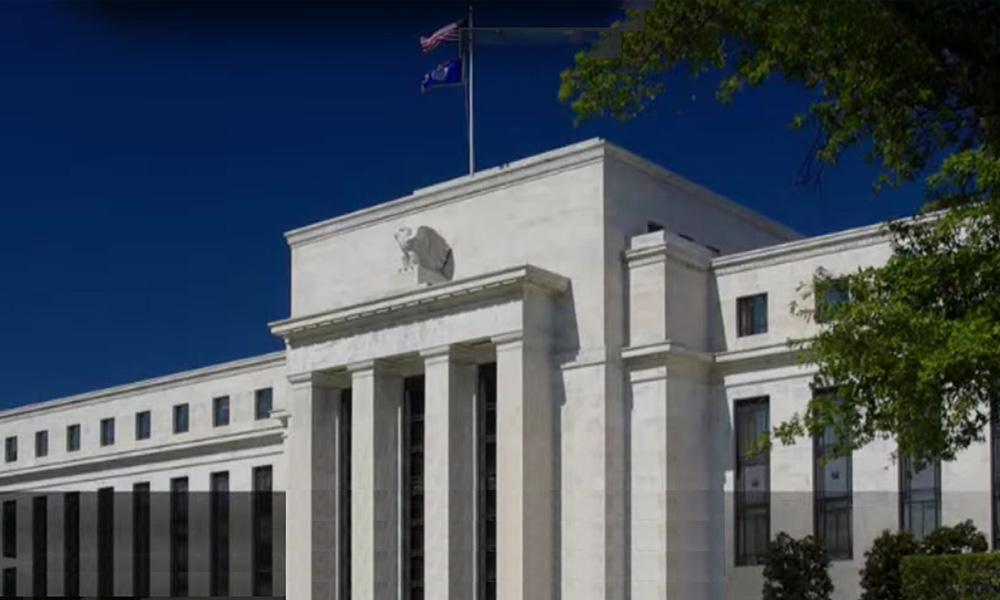
Jerome Powell's term as Federal Reserve Chairman will end on May 15. According to regulations, he could have continued serving on the Board of Governors until 2028. However, choosing to remain in office would directly impact President Trump's progress in securing a majority of seats on the Federal Reserve Board.
A spokesperson for the Federal Reserve declined to comment on Scott's remarks.
Over the past year, Powell and Trump have repeatedly clashed publicly on issues such as interest rate policy. Trump has repeatedly called for lower interest rates and hinted at the possibility of dismissing Powell. His administration has also launched an investigation into cost overruns in the Federal Reserve office building renovation project and is reviewing Powell's testimony to Congress.
Faced with this pressure, Powell made it clear last week that he plans to remain on the council indefinitely until the investigation is fully concluded. He stated, "I have said that I will not leave the council until this investigation is truly concluded with transparency and a final result, and I stand by that. Recent developments have been encouraging, and I am closely monitoring the remaining steps of this process."
The criminal investigation that led to the withdrawal of Powell's nomination has taken a turn for the better. Previously, U.S. Attorney Jeanine Pirro had initiated a criminal investigation against Powell, but after several setbacks in federal court, the investigation was withdrawn and transferred to the Federal Reserve Inspector General. This adjustment effectively removed political obstacles and cleared some hurdles for the nomination of Kevin Warsh, Powell's successor.
Senator Thom Tillis, a key member of the Senate Banking Committee and a Republican from North Carolina, had previously stated unequivocally that he would not support Warsh's nomination unless the Trump administration dropped its investigation into Powell. Tillis lifted his blockade in April after the criminal investigation was dropped. Last week, the Senate Banking Committee moved forward with Warsh's nomination process, and the full Senate is expected to vote on it next week.
Scott had previously stated publicly that he did not believe Powell was involved in any criminal offenses, and in March he expressed his hope that the relevant criminal investigation could be concluded as soon as possible.
At the Milken Institute global conference, Scott further commented on Powell's decision to remain in office, saying, "I do think he might be poking the president in the eye a little." This statement directly suggests that Powell's move has a certain political connotation, sparking a new round of discussions about the independence of the Federal Reserve and the relationship between the executive branch and the Fed.
Overall, Jerome Powell's decision to remain on the Board of Governors not only tests the Fed's traditional governance framework but also reflects the complex interaction between central bank and executive power in the current US political environment. Whether Kevin Warsh's nomination will be approved smoothly and how the Fed will maintain policy continuity will remain the focus of market attention. The entire development of this event will have a significant impact on the direction of US monetary policy and global financial markets.
Breaking precedents raises concerns about the system.
Tim Scott pointed out that Powell's move broke with a 75-year-old tradition of the Federal Reserve. Speaking at the Milken Institute Global Conference, he said, "Every time a new chairman is appointed, the previous chairman leaves. This is a good thing because you don't want these ideas to clash." Scott emphasized that this traditional design helps avoid clashes of policy ideas and ensures a smooth transition for the institution.
As a Republican senator from South Carolina, Scott further added, "I think it's better for him to leave, both for the country and for the Fed." His remarks reflect the strong concerns among some Republicans regarding the continuity of leadership at the Federal Reserve.
Chairman's term ends, Powell chooses to remain on the board.
Jerome Powell's term as Federal Reserve Chairman will end on May 15. According to regulations, he could have continued serving on the Board of Governors until 2028. However, choosing to remain in office would directly impact President Trump's progress in securing a majority of seats on the Federal Reserve Board.
A spokesperson for the Federal Reserve declined to comment on Scott's remarks.
The long-standing differences between the two sides and the ongoing investigation controversy continue to escalate.
Over the past year, Powell and Trump have repeatedly clashed publicly on issues such as interest rate policy. Trump has repeatedly called for lower interest rates and hinted at the possibility of dismissing Powell. His administration has also launched an investigation into cost overruns in the Federal Reserve office building renovation project and is reviewing Powell's testimony to Congress.
Faced with this pressure, Powell made it clear last week that he plans to remain on the council indefinitely until the investigation is fully concluded. He stated, "I have said that I will not leave the council until this investigation is truly concluded with transparency and a final result, and I stand by that. Recent developments have been encouraging, and I am closely monitoring the remaining steps of this process."
The criminal investigation that led to the withdrawal of Powell's nomination has taken a turn for the better. Previously, U.S. Attorney Jeanine Pirro had initiated a criminal investigation against Powell, but after several setbacks in federal court, the investigation was withdrawn and transferred to the Federal Reserve Inspector General. This adjustment effectively removed political obstacles and cleared some hurdles for the nomination of Kevin Warsh, Powell's successor.
Senator Thom Tillis, a key member of the Senate Banking Committee and a Republican from North Carolina, had previously stated unequivocally that he would not support Warsh's nomination unless the Trump administration dropped its investigation into Powell. Tillis lifted his blockade in April after the criminal investigation was dropped. Last week, the Senate Banking Committee moved forward with Warsh's nomination process, and the full Senate is expected to vote on it next week.
Scott had previously stated publicly that he did not believe Powell was involved in any criminal offenses, and in March he expressed his hope that the relevant criminal investigation could be concluded as soon as possible.
Scott's latest comment: He seems to have "poked the president's eye."
At the Milken Institute global conference, Scott further commented on Powell's decision to remain in office, saying, "I do think he might be poking the president in the eye a little." This statement directly suggests that Powell's move has a certain political connotation, sparking a new round of discussions about the independence of the Federal Reserve and the relationship between the executive branch and the Fed.
Overall, Jerome Powell's decision to remain on the Board of Governors not only tests the Fed's traditional governance framework but also reflects the complex interaction between central bank and executive power in the current US political environment. Whether Kevin Warsh's nomination will be approved smoothly and how the Fed will maintain policy continuity will remain the focus of market attention. The entire development of this event will have a significant impact on the direction of US monetary policy and global financial markets.
- Risk Warning and Disclaimer
- The market involves risk, and trading may not be suitable for all investors. This article is for reference only and does not constitute personal investment advice, nor does it take into account certain users’ specific investment objectives, financial situation, or other needs. Any investment decisions made based on this information are at your own risk.