Non-farm payrolls of 172,000 beat expectations, reigniting interest rate hike alarms! The countdown to the US dollar breaking through the 99 mark has begun; have dreams of interest rate cuts been shattered?
2026-06-05 20:45:25
On Friday (June 5th) at 8:30 PM Beijing time, the U.S. Department of Labor released its May non-farm payrolls report. Data showed that the U.S. added 172,000 non-farm jobs in May, far exceeding market expectations of 85,000; the previous figure was revised to 179,000, and the March figure was also revised upwards to 214,000, for a total upward revision of 93,000 over the two months. The unemployment rate remained stable at 4.3%, and average hourly earnings rose 3.4% year-on-year and 0.3% month-on-month, both in line with expectations.

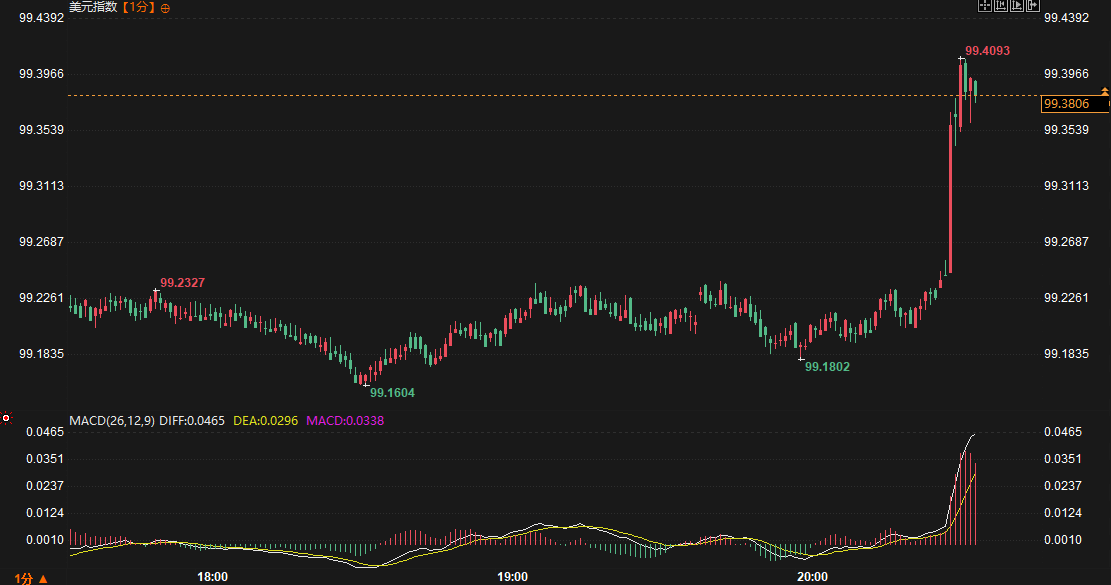
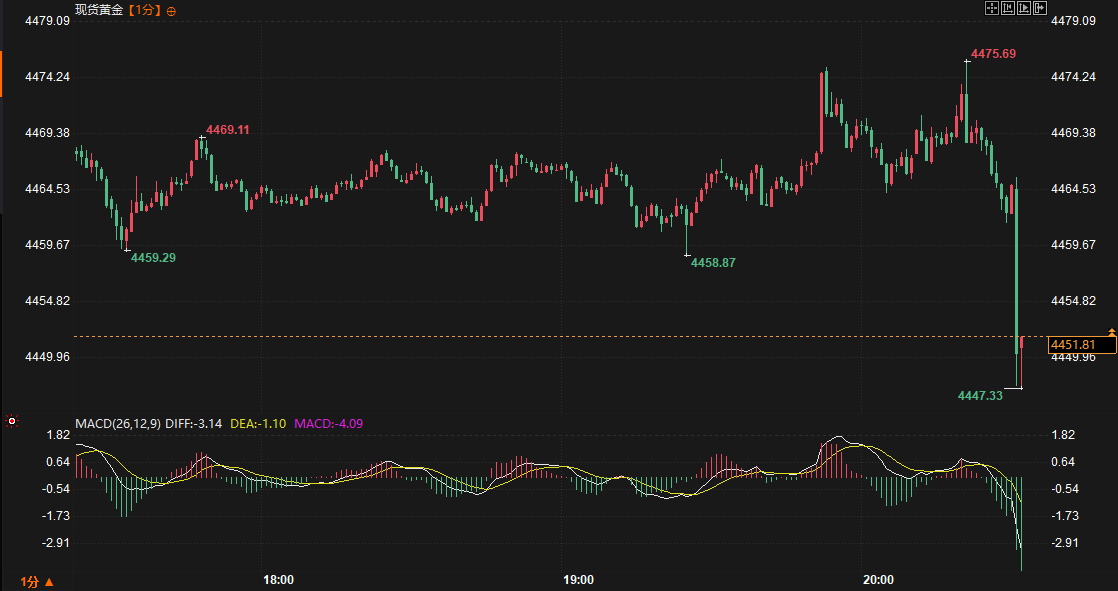
Prior to the data release, market expectations for job growth were cautious, primarily reflecting companies' restraint in hiring amid geopolitical uncertainties. Following the release, the US dollar index rose briefly, while the euro and pound both weakened significantly against the dollar, and US Treasury yields increased, indicating a rapid adjustment in financial markets' pricing of Federal Reserve policy. Canadian employment data also significantly exceeded expectations, demonstrating the overall resilience of the North American labor market.
The key feature of this non-farm payroll report is the coexistence of strong job growth and a balance between "slow hiring and slow layoffs" in the labor market. New jobs were primarily concentrated in the leisure and dining, local government, and healthcare sectors, with a slight increase in manufacturing and a decline in financial activity. Low layoff rates were a major factor supporting the employment data, coupled with tax rebates and other measures boosting corporate profits, allowing companies to maintain stable employment.
Compared to historical trends, this round of employment recovery exhibits characteristics different from the initial post-pandemic period. Over the past two years, the labor market has fluctuated due to multiple factors, but the current "break-even point" has shifted downwards due to changes in labor supply, resulting in the unemployment rate remaining within a narrow range around 4.3%. This level remains relatively low historically, indicating that the job market has not shown significant signs of cooling. The latest figures show a significant increase in employment than expected, coupled with upward revisions to previous values, reinforcing the signal that the labor market is regaining momentum.
The immediate impact of the data on major assets was clearly visible. The US dollar index rose by about 15 points to around 99.36, the euro fell to a low of 1.1610 against the dollar, and the pound fell to a low of 1.3434 against the dollar; the yield on the 10-year US Treasury note rose to around 4.52%, and the 2-year yield rose in tandem. This reflects the market's growing expectation that the Federal Reserve will maintain higher interest rates. Interest rate futures showed that the probability of a rate hike in December rose from 48% before the announcement to 63%. Following the release of Canadian employment data, the Canadian dollar also saw a corresponding adjustment.
The contrasting views of well-known institutions and market participants are noteworthy. Prior to the data release, institutions generally expected modest job growth, with some analysts believing geopolitical factors would constrain hiring, and discussion about future Fed rate cuts still prevalent. Institutional accounts largely emphasized that the data might validate the "soft landing" narrative, but remained reserved about the extent to which it exceeded expectations. Retail investors' views were more divided, with some worrying that strong job growth would push up interest rates, while others focused on specific industry differences.
Following the data release, institutional reactions quickly shifted towards hawkish pricing. One analyst pointed out that this data "will completely overturn any reason for the Fed to cut rates in the coming months." Real-time discussions focused on yield curve shifts and a strong dollar, with retail investors rapidly following suit, and some participants shifting from previous optimism about rate cuts to adapting to a "higher and longer" interest rate path. Overall, there was a significant discrepancy between expectations before and after the event, with the market adjusting its tightening expectations to a greater extent than previously agreed.
Fundamentals and technical factors are somewhat correlated. Strong employment data supported the rise in the US dollar exchange rate and yields, providing short-term support for dollar-related assets; however, in the long term, the sustainability of inflation transmission needs to be observed. The impact of external factors on oil prices has not yet significantly translated into the job market, but its potential pressure on future costs needs to be continuously monitored.
Based on current data, the resilience of the job market provides more room for observation regarding monetary policy. In the short term, the US dollar index may maintain a slightly stronger trend, with attention focused on its performance within the 99.00-100.00 range; major currencies such as the euro and pound sterling may face some adjustment pressure against the dollar. The US Treasury yield curve may continue its steepening trend, requiring attention to changes in the spread between 10-year and 2-year yields.
On the medium term, if job growth can maintain its current pace, coupled with stable wage growth, it will support the assessment of a soft landing for the economy. However, it also means that the Federal Reserve retains considerable flexibility in addressing potential inflationary pressures. Global markets will continue to monitor how subsequent economic indicators validate this signal, with a focus on the synergy between the service and manufacturing sectors. Overall market movements are expected to remain influenced by a complex interplay of factors, including policy expectations and geopolitical dynamics, potentially leading to periods of increased volatility.
Q: What are the main reasons for the non-farm payroll data exceeding expectations this time?
This is mainly due to the low layoff rate, with corporate profits supported by fiscal measures, resulting in cautious hiring but even fewer layoffs, leading to an equilibrium in the labor market. Meanwhile, the significant upward revision of the previous figure amplified the positive signals in this data.
Q: What does it mean that the unemployment rate remains at 4.3%?
This indicates that the labor market has not deteriorated significantly and remains in a tight balance range. This level is relatively healthy compared to historical levels, but considering factors such as immigration policies, the impact of changes in labor supply on the unemployment rate trend needs to be monitored in the future.
Q: How does the data affect the Fed's policy path?
This strengthens the justification for maintaining current interest rate levels, and the market has significantly increased its pricing in a December rate hike. The Federal Reserve will seek a balance between its dual mandate of inflation and employment, postponing expectations of significant easing in the short term.
Q: Why are the US dollar and yields rising in tandem?
Strong employment data boosted economic growth expectations while simultaneously fueling inflation concerns, driving funds into dollar assets and pushing up bond yields. This interconnectedness is a typical market reaction to a "higher and longer" interest rate path.
Q: Which indicators should we focus on monitoring going forward?
We need to pay attention to the sustainability of average hourly wages, the divergence in employment across different industries, and the indirect impact of geopolitical factors on supply chains and costs. Meanwhile, the trend changes in non-farm payroll data over the next few months will be more valuable for reference than single-month data.
Prior to the data release, market expectations for job growth were cautious, primarily reflecting companies' restraint in hiring amid geopolitical uncertainties. Following the release, the US dollar index rose briefly, while the euro and pound both weakened significantly against the dollar, and US Treasury yields increased, indicating a rapid adjustment in financial markets' pricing of Federal Reserve policy. Canadian employment data also significantly exceeded expectations, demonstrating the overall resilience of the North American labor market.
Deep interconnect analysis
The key feature of this non-farm payroll report is the coexistence of strong job growth and a balance between "slow hiring and slow layoffs" in the labor market. New jobs were primarily concentrated in the leisure and dining, local government, and healthcare sectors, with a slight increase in manufacturing and a decline in financial activity. Low layoff rates were a major factor supporting the employment data, coupled with tax rebates and other measures boosting corporate profits, allowing companies to maintain stable employment.
Compared to historical trends, this round of employment recovery exhibits characteristics different from the initial post-pandemic period. Over the past two years, the labor market has fluctuated due to multiple factors, but the current "break-even point" has shifted downwards due to changes in labor supply, resulting in the unemployment rate remaining within a narrow range around 4.3%. This level remains relatively low historically, indicating that the job market has not shown significant signs of cooling. The latest figures show a significant increase in employment than expected, coupled with upward revisions to previous values, reinforcing the signal that the labor market is regaining momentum.
The immediate impact of the data on major assets was clearly visible. The US dollar index rose by about 15 points to around 99.36, the euro fell to a low of 1.1610 against the dollar, and the pound fell to a low of 1.3434 against the dollar; the yield on the 10-year US Treasury note rose to around 4.52%, and the 2-year yield rose in tandem. This reflects the market's growing expectation that the Federal Reserve will maintain higher interest rates. Interest rate futures showed that the probability of a rate hike in December rose from 48% before the announcement to 63%. Following the release of Canadian employment data, the Canadian dollar also saw a corresponding adjustment.
The contrasting views of well-known institutions and market participants are noteworthy. Prior to the data release, institutions generally expected modest job growth, with some analysts believing geopolitical factors would constrain hiring, and discussion about future Fed rate cuts still prevalent. Institutional accounts largely emphasized that the data might validate the "soft landing" narrative, but remained reserved about the extent to which it exceeded expectations. Retail investors' views were more divided, with some worrying that strong job growth would push up interest rates, while others focused on specific industry differences.
Following the data release, institutional reactions quickly shifted towards hawkish pricing. One analyst pointed out that this data "will completely overturn any reason for the Fed to cut rates in the coming months." Real-time discussions focused on yield curve shifts and a strong dollar, with retail investors rapidly following suit, and some participants shifting from previous optimism about rate cuts to adapting to a "higher and longer" interest rate path. Overall, there was a significant discrepancy between expectations before and after the event, with the market adjusting its tightening expectations to a greater extent than previously agreed.
Fundamentals and technical factors are somewhat correlated. Strong employment data supported the rise in the US dollar exchange rate and yields, providing short-term support for dollar-related assets; however, in the long term, the sustainability of inflation transmission needs to be observed. The impact of external factors on oil prices has not yet significantly translated into the job market, but its potential pressure on future costs needs to be continuously monitored.
Trend Outlook
Based on current data, the resilience of the job market provides more room for observation regarding monetary policy. In the short term, the US dollar index may maintain a slightly stronger trend, with attention focused on its performance within the 99.00-100.00 range; major currencies such as the euro and pound sterling may face some adjustment pressure against the dollar. The US Treasury yield curve may continue its steepening trend, requiring attention to changes in the spread between 10-year and 2-year yields.
On the medium term, if job growth can maintain its current pace, coupled with stable wage growth, it will support the assessment of a soft landing for the economy. However, it also means that the Federal Reserve retains considerable flexibility in addressing potential inflationary pressures. Global markets will continue to monitor how subsequent economic indicators validate this signal, with a focus on the synergy between the service and manufacturing sectors. Overall market movements are expected to remain influenced by a complex interplay of factors, including policy expectations and geopolitical dynamics, potentially leading to periods of increased volatility.
Frequently Asked Questions
Q: What are the main reasons for the non-farm payroll data exceeding expectations this time?
This is mainly due to the low layoff rate, with corporate profits supported by fiscal measures, resulting in cautious hiring but even fewer layoffs, leading to an equilibrium in the labor market. Meanwhile, the significant upward revision of the previous figure amplified the positive signals in this data.
Q: What does it mean that the unemployment rate remains at 4.3%?
This indicates that the labor market has not deteriorated significantly and remains in a tight balance range. This level is relatively healthy compared to historical levels, but considering factors such as immigration policies, the impact of changes in labor supply on the unemployment rate trend needs to be monitored in the future.
Q: How does the data affect the Fed's policy path?
This strengthens the justification for maintaining current interest rate levels, and the market has significantly increased its pricing in a December rate hike. The Federal Reserve will seek a balance between its dual mandate of inflation and employment, postponing expectations of significant easing in the short term.
Q: Why are the US dollar and yields rising in tandem?
Strong employment data boosted economic growth expectations while simultaneously fueling inflation concerns, driving funds into dollar assets and pushing up bond yields. This interconnectedness is a typical market reaction to a "higher and longer" interest rate path.
Q: Which indicators should we focus on monitoring going forward?
We need to pay attention to the sustainability of average hourly wages, the divergence in employment across different industries, and the indirect impact of geopolitical factors on supply chains and costs. Meanwhile, the trend changes in non-farm payroll data over the next few months will be more valuable for reference than single-month data.
- Risk Warning and Disclaimer
- The market involves risk, and trading may not be suitable for all investors. This article is for reference only and does not constitute personal investment advice, nor does it take into account certain users’ specific investment objectives, financial situation, or other needs. Any investment decisions made based on this information are at your own risk.