A new solution for the management of the Strait of Hormuz: Oman proposes the "Malacca Model," replacing mandatory tolls with voluntary donations.
2026-07-28 15:02:04
On Tuesday (July 28) during Asian trading hours, international crude oil prices continued their decline. Brent crude oil futures for September delivery fell more than 2%, currently trading around $86.50 per barrel, while the more active October futures contract fell about 1.8%, currently trading around $84.50. Expectations of easing tensions in the Middle East continue to rise, and the geopolitical premium previously accumulated due to supply disruption risks is rapidly being reversed. In addition to diplomatic progress on the US-Iran ceasefire, a more institutionally significant proposal is stirring market expectations—Oman is attempting to redefine the rules governing the Strait of Hormuz using a "Malacca model." According to sources in the Gulf region, Oman has formally submitted a proposal to Iran regarding the establishment of a joint regional mechanism to manage the Strait of Hormuz through voluntary fees, and this proposal has already received support from some regional countries. 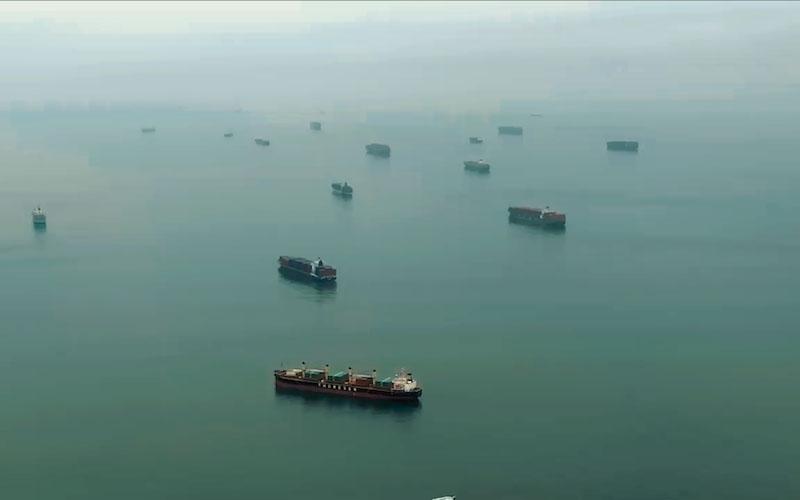
The strategic importance of the Strait of Hormuz
The Strait of Hormuz is one of the world's most important energy routes, historically carrying approximately 20 million barrels of oil and liquefied natural gas daily, accounting for about one-fifth of global seaborne oil trade. Recently, due to geopolitical tensions, ship traffic has plummeted to a two-month low, with only a few merchant ships passing through daily at times, highlighting the urgency of restoring a stable management mechanism. If this proposal is implemented, it is expected to reduce shipping insurance costs, stabilize energy supply expectations, and indirectly impact global oil prices and inflation expectations.The Malacca model as a reference
Oman pointed out that the experience in the Strait of Malacca has proven that voluntary contributions to the fund can be used to maintain navigational aids, address pollution, and enhance emergency response capabilities. This aligns with the spirit of the UN Convention on the Law of the Sea regarding the right of transit and avoids the legal disputes that might arise from directly imposing tolls. Iran had previously advocated for a "maritime service fee," but the US has explicitly opposed any form of mandatory charging. Oman's proposal attempts to strike a balance between respect for sovereignty and international freedom of navigation, defining the fee as voluntary service support rather than a unilateral control tool through a joint mechanism.Negotiation progress
Currently, Iran and Oman have held multiple rounds of vice-foreign minister-level talks on the management of the Strait of Hormuz. An Iranian Foreign Ministry spokesperson stated that the discussions focused on common principles and operational mechanisms for the safe passage of ships, and that the talks were productive and progressing. Technical and political consultations are ongoing. The market is closely watching the details of subsequent negotiations, particularly the specific implementation methods of voluntary contributions, the fund monitoring mechanism, and whether they will garner widespread support from major user countries.How does the strait management model affect oil prices?
For the crude oil futures market, the evolution of the Strait of Hormuz management model is one of the most important geopolitical variables in the coming months. If the Oman proposal is ultimately implemented, the geopolitical risk premium for Brent crude will accelerate its retracement, and prices may return to the $85-90/barrel range. If negotiations stall or break down, the currently priced-in extreme risk premium may expand further, pushing oil prices to retest $100/barrel or even higher. Traders need to closely monitor the progress of US-Iran diplomacy, the details of the Oman proposal negotiations, and actual passage data in the Strait of Hormuz—these three factors will jointly determine the next stage of oil price direction.Editor's Summary
Oman's proposed joint regional mechanism for managing the Strait of Hormuz using a voluntary toll model aims to balance the sovereignty of littoral states with international freedom of navigation. Drawing on the experience of the Strait of Malacca, the proposal seeks to support security and environmental services through non-mandatory contributions, avoiding disputes arising from unilateral control. If implemented, it would help restore normal navigation through the strait and reduce energy market volatility risks; however, its ultimate effectiveness depends on Iran's acceptance, regional consensus, and the actual willingness of major users to participate.Frequently Asked Questions
Q: What exactly is the joint regional mechanism proposed by Oman? How does it differ from Iran's original proposal? A: Oman proposes establishing a joint regional mechanism in which Iran, Oman, and other coastal states jointly participate in the management of the Strait of Hormuz. This mechanism would utilize voluntary contributions rather than mandatory tolls, with funds used for navigation safety, environmental protection, and search and rescue. Iran previously preferred to collect service fees and strengthen its own control, while the Omani proposal emphasizes multi-party co-management and non-unilateral control, which is closer to international practice. Q: Why is the Strait of Malacca used as a reference model? How does this model operate? A: The Strait of Malacca is managed collaboratively by Indonesia, Malaysia, Singapore, and other countries. User countries can voluntarily contribute to a fund for maintaining navigational aids, pollution prevention, and emergency response. This model aligns with the spirit of international maritime law, avoids disputes arising from mandatory tolls, and has proven to improve navigation safety without hindering transit rights. Q: How important is the Strait of Hormuz to the global energy market? What is the current status of transit? A: Approximately 20 million barrels of oil and liquefied natural gas pass through the strait daily, accounting for about one-fifth of global seaborne oil trade. Recent tensions have led to a two-month low in ship traffic, with significant reductions at times, increasing uncertainty in energy supply and impacting oil prices and shipping costs. Q: Could this proposal violate international maritime law? A: The proposal is designed as a voluntary contribution rather than a mandatory toll, consistent with the spirit of the right of transit guaranteed by the United Nations Convention on the Law of the Sea. Coastal states can cooperate on security services, but cannot obstruct freedom of navigation. The key is whether its implementation truly remains voluntary and is recognized by major user states. Q: If the proposal is implemented, what impact might it have on oil prices and shipping costs? A: Successful implementation would help restore stable passage through the strait, reduce geopolitical risk premiums and insurance costs, thereby alleviating pressure on oil price volatility. Conversely, if negotiations stall or implementation deviates, it could perpetuate supply uncertainty, pushing up short-term energy prices and global inflation expectations. At 15:00 Beijing time on July 28, Brent crude oil futures for September were trading at $86.26 per barrel.- Risk Warning and Disclaimer
- The market involves risk, and trading may not be suitable for all investors. This article is for reference only and does not constitute personal investment advice, nor does it take into account certain users’ specific investment objectives, financial situation, or other needs. Any investment decisions made based on this information are at your own risk.