The Federal Reserve's hawkish stance and expectations of a September rate hike put pressure on global risk assets.
2026-07-30 10:10:56
Federal Reserve Chairman Kevin Warsh chaired the second policy meeting, deciding to keep interest rates unchanged, but the meeting released a clearly hawkish signal. Three policymakers opposed holding rates steady and demanded an immediate rate hike, the highest number of dissenters since September 2016. Market pricing indicates a greater than 57% probability of a rate hike in September, making September a crucial policy window. Several industry leaders pointed out that a rate hike is highly likely to be needed to bring inflation down to the 2% target. Risk aversion intensified, leading to a sharp decline in US stocks and a surge in long-term Treasury yields, forcing the Fed to take tightening action in the bond market.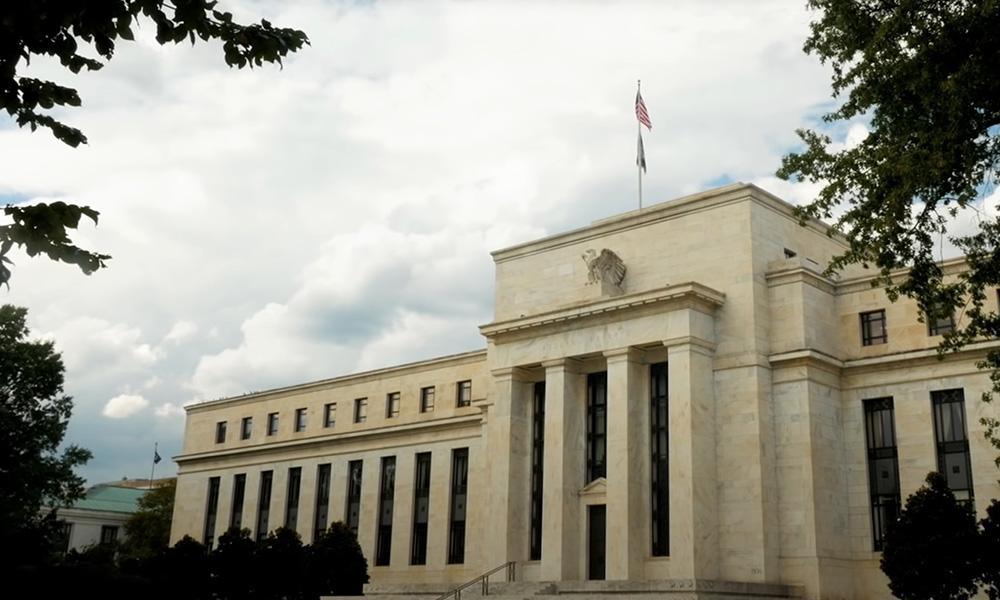
Key signals from the meeting: Hawkish stance on stability, significant internal divisions.
Maintaining the interest rate unchanged was in line with market expectations, but internal divisions within the FOMC were highlighted, with three members supporting a rate hike, indicating a significant increase in hawkish forces. Historically, several members voiced dissent in 2016, but the Fed raised rates just months later. Currently, the committee is characterized by active hawkish voices, but most members are siding with Warsh. Market expectations have shifted; the expectation of a rate hike hasn't disappeared, but has been postponed. Most traders believe the September meeting presents conditions for policy adjustments. However, a few economists maintain a different view, predicting the Fed's next move might be a rate cut in March next year.Inflation remains a core constraint, and industry leaders are calling for a resumption of interest rate hikes.
Energy price volatility persists, posing a risk of further inflation, and the Federal Reserve will closely monitor subsequent inflation data. Warsh reiterated the Fed's commitment to price stability and its adherence to the 2% inflation target. Gundlach, founder of DoubleLine Capital, explicitly stated that mere rhetoric is insufficient to suppress inflation; the Fed must implement interest rate hikes to achieve its goal. Bond investors are also expressing their views through trading, pressuring central banks to implement tightening policies.Significant fluctuations in major asset classes indicate that the market has entered a phase of risk appetite contraction.
Concerns about future policy tightening triggered risk-averse trading in the market: US stocks weakened across the board, with the S&P 500 falling 1.5% and the Dow Jones Industrial Average plunging over 2%; the Nasdaq closed lower for the sixth consecutive day, retreating more than 10% from its high. The market is still adjusting to the change in leadership at the Federal Reserve, and increased volatility may become the long-term norm. The US Treasury market diverged, with the 10-year yield rising above 4.6% and the 30-year yield hovering around 5.2%, a new high since July 2007. The sharp rise in long-term bonds reflects pressure from "bond vigilantes" to the Federal Reserve, demanding that monetary policy align with its anti-inflationary stance.Summarize
The Fed's recent move was a typical "hawkish stabilization," pausing rate hikes but with an increase in hawkish sentiment within the Fed, significantly increasing the uncertainty surrounding the September policy meeting. The Middle East energy shock poses a risk of inflation rebound, and whether the 2% inflation target can be achieved will be central to subsequent policy decisions. Risk assets fear further tightening, leading to a significant correction in US stocks; long-term US Treasury yields continue to rise, and the market is awaiting the Fed to deliver on its anti-inflation promise with a rate hike. Going forward, inflation data and oil price trends will directly determine whether the Fed will initiate a new round of rate hikes in September.- Risk Warning and Disclaimer
- The market involves risk, and trading may not be suitable for all investors. This article is for reference only and does not constitute personal investment advice, nor does it take into account certain users’ specific investment objectives, financial situation, or other needs. Any investment decisions made based on this information are at your own risk.