The development of a 2.5 billion barrel oil field in Brazil could partially offset supply shocks from the Middle East and alleviate upward pressure on oil prices.
2026-08-07 12:10:52
BP's Bumerangue oil field is not just an ordinary oil and gas exploration breakthrough; it is seen as a key ultra-deepwater project capable of simultaneously supporting BP's upstream business and sustaining Brazil's robust oil production. The field has estimated recoverable reserves of 2.5 billion barrels and a peak production of 600,000 barrels per day. This production scale can offset the natural decline of the company's existing assets, and its production window coincides perfectly with the end of peak production in Brazil's long-established pre-salt oil fields. However, the project's opportunities are accompanied by significant challenges. The $32 billion development investment and the technical difficulties of subsea treatment and reinjection due to high levels of carbon dioxide in associated gas are two major hurdles hindering the project's implementation. Whether the project can realize its value depends on cost control, the introduction of high-quality partners, and the practical ability to transform exploration discoveries into commercially viable assets.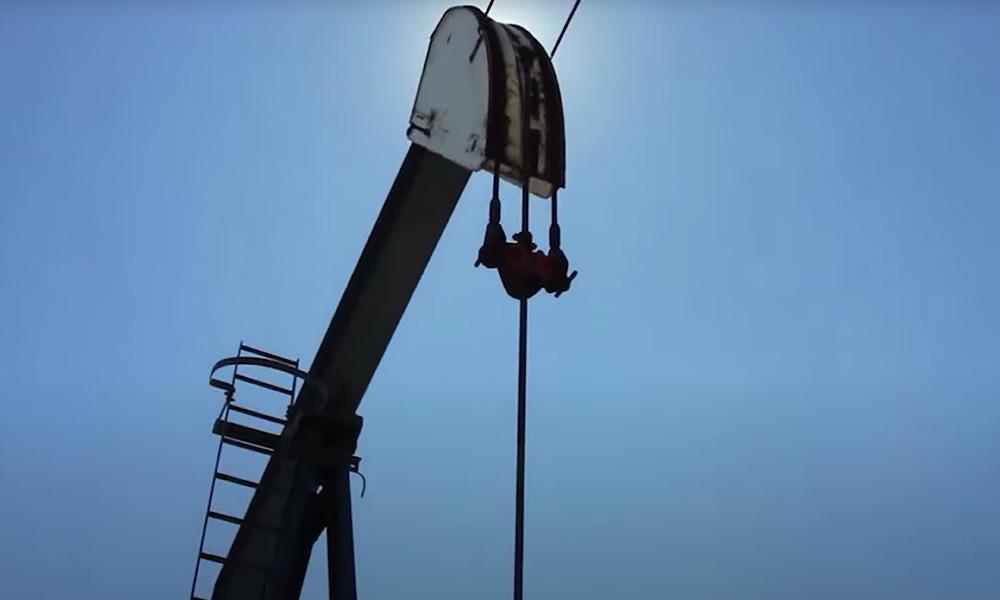 Excessive carbon dioxide concentration is the biggest technical hazard for the project. If the concentration exceeds 45%, the company will have to activate expensive subsea separation and reinjection equipment, adding approximately $3 billion in expenses. Currently, BP wholly owns the interest in the block, but due to technical and financial pressures, it is highly likely to relinquish a portion of its equity while retaining core operational rights. Petrobras is an ideal partner, possessing mature operational experience with high-carbon dioxide reservoirs in the Santos Basin. Its subsea gas processing technology at the Mero oil field can directly provide valuable insights for this project.
The project has significant strategic value and its timeline is of great importance.
Börmalang is BP's largest oil and gas discovery since the Shah Deniz field in 1999, ranking as the world's sixth largest deepwater oil field. According to the plan, the project is expected to obtain final investment approval in 2028 and produce its first batch of crude oil in 2032. BP aims to maintain total upstream production at 2.3 million to 2.5 million barrels per day by 2030. The natural decline in production from older oil fields is an objective trend, and Börmalang will shoulder the responsibility of replacing that production. If development proceeds smoothly, it could postpone the significant decline in the company's overall production by 4 to 6 years. Excessive carbon dioxide concentration is the biggest technical hazard for the project. If the concentration exceeds 45%, the company will have to activate expensive subsea separation and reinjection equipment, adding approximately $3 billion in expenses. Currently, BP wholly owns the interest in the block, but due to technical and financial pressures, it is highly likely to relinquish a portion of its equity while retaining core operational rights. Petrobras is an ideal partner, possessing mature operational experience with high-carbon dioxide reservoirs in the Santos Basin. Its subsea gas processing technology at the Mero oil field can directly provide valuable insights for this project.Favorable tax and financial terms mitigate risks, but profit and loss costs remain a concern.
Bumelange won the bid in 2022, signing a production-sharing agreement with very favorable policy terms. Up to 80% of the production could cover development expenses, and the Brazilian government's profit share was only 5.9%, far lower than similar oil fields in the region. The favorable tax and financial terms increased the probability of investment recovery. The project's break-even point was estimated at around $50 per barrel, higher than high-quality deepwater projects in the region such as Bacalhau, but still within the commercially viable range. However, the project's economics are highly sensitive to recoverable reserves, the construction of floating production storage and offloading (FPSO) facilities, and CO2 emissions control costs. In the post-pandemic era, offshore engineering costs have continued to rise; the neighboring Gato do Mato oil field has repeatedly experienced delays due to cost overruns. Bumelange is larger and has more complex operating conditions, making cost control crucial to its success. This project also marks BP's first complete leadership role in a large-scale pre-salt project in Brazil. If successful, Brazil will become a core operating region for the company.To fill the production gap in Brazil and strengthen the advantages of crude oil exports
Production at Brazil's main pre-salt oil fields is expected to peak and decline between 2029 and 2030, with giant fields such as Tupi, Mero, and Buzios gradually entering a period of reduced production. The Bourmaline-Language oil field, commencing production in 2032, will fill the production gap. While its peak daily production of 600,000 barrels will not completely offset the production cuts, it will slow the decline and maintain Brazil's crude oil export volume. Brazil's crude oil export routes do not rely on high-risk channels such as the Strait of Hormuz, giving it a unique competitive advantage in the global energy market. In summary , the core value of the Bourmaline-Language project lies not in short-term explosive production increases, but in extending the production plateau cycle for both BP and Brazil. High capital expenditures and complex technical challenges are undeniable, but the resource endowment, fiscal and tax benefits, and opportune production window give the project the potential to reshape the energy landscape for both parties. The Bourmaline-Language oil field may reach a peak daily production of 600,000 barrels, increasing crude oil supply from the Atlantic Basin after its commissioning in 2032. Amidst the disruptions to shipping in the Strait of Hormuz and uncertainties surrounding Middle Eastern crude oil exports, this oil field, which does not rely on high-risk shipping routes, can provide the world with a lower-risk source of crude oil, partially offsetting the impact of supply disruptions in the Middle East, alleviating upward pressure on oil prices, and enriching the crude oil purchasing options for Asian buyers . However, its production scale is limited and cannot completely offset the gap caused by large-scale supply disruptions in the Middle East.- Risk Warning and Disclaimer
- The market involves risk, and trading may not be suitable for all investors. This article is for reference only and does not constitute personal investment advice, nor does it take into account certain users’ specific investment objectives, financial situation, or other needs. Any investment decisions made based on this information are at your own risk.