Why did the European Central Bank become an "outsider" and why did the US and Japan target the euro in their intervention?
2026-08-07 16:14:58
On Friday (August 7), data released by Japan's Ministry of Finance showed that the government conducted a single-day yen-buying operation of 6.2787 trillion yen (approximately US$39.64 billion) on April 30, marking the largest single-day intervention since records began in 1991. This operation occurred during a period of market liquidity depletion in Japan's Golden Week holiday, highlighting the government's aggressive stance in defending the yen. However, the intervention only pushed the yen up from a two-year low of 160.725 to around 155, after which the yen further slipped to a forty-year low below 163 in July—the intervention bought the yen a breather but failed to reverse its long-term downward trend. 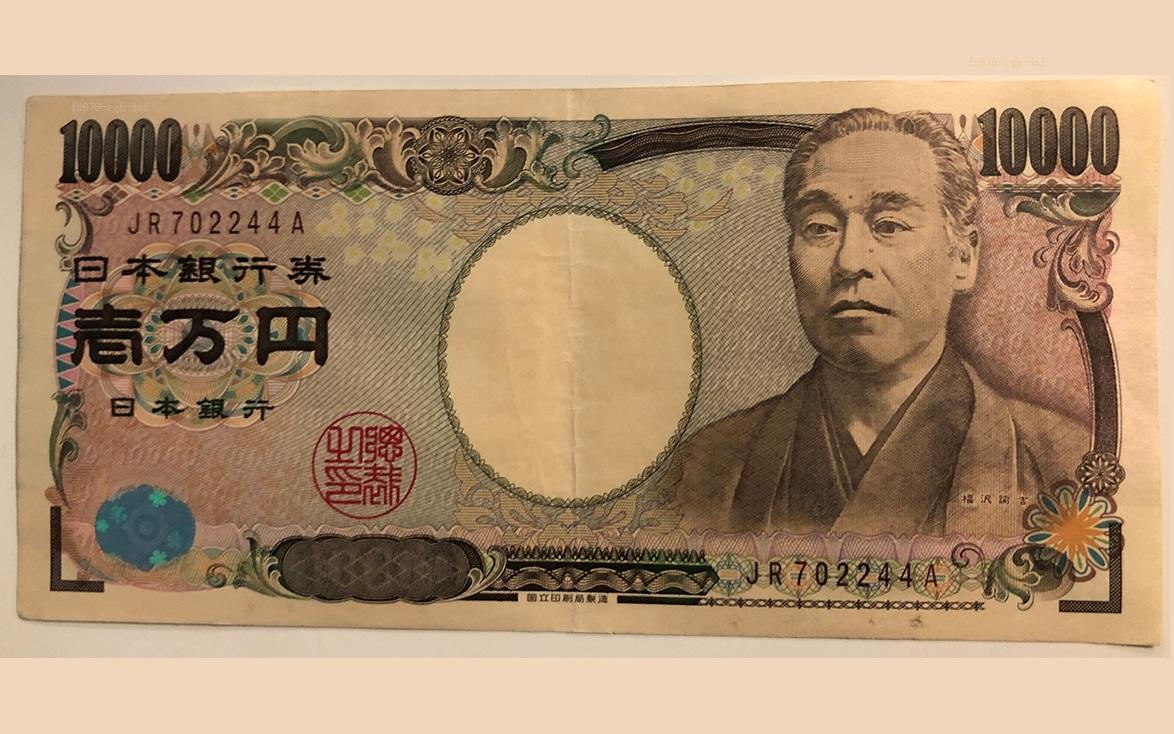
Record-breaking interventions: scale, timing, and methods
Japan's Ministry of Finance released quarterly data on Friday, providing daily details of the previously disclosed total intervention of 11.7 trillion yen between April 28 and May 27. The data shows that Japanese authorities implemented yen-buying interventions over three days, from April 30 to May 6, with the single-day operation on April 30 reaching 6.2787 trillion yen, surpassing the previous record of 5.92 trillion yen set on April 29, 2024, becoming the largest single-day intervention on record. The timing of this intervention is significant—market liquidity is typically thin during the Golden Week holiday, and the same amount of intervention funds often has a greater impact on the exchange rate in an environment of insufficient liquidity. The authorities' choice to intervene at this time indicates their desire to maximize the intervention effect with limited resources. The operation successfully pushed the yen up from 160.725 to around 155 on May 6, but this increase failed to sustain.Limitations of intervention: You can buy time, but you can't buy a trend.
While the intervention successfully boosted the yen in the short term, it failed to reverse its longer-term downward trend. The yen resumed its decline in the following months, falling further to a forty-year low below 163 in July. This trajectory clearly demonstrates that intervention alone cannot counteract the fundamental driver of wide interest rate differentials. The record-breaking scale of the intervention reveals the immense challenges facing Japanese authorities. With the Federal Reserve maintaining high interest rates of 3.50%-3.75% while the Bank of Japan's rate was only 1.00%, this interest rate differential continued to drive yen carry trades—investors borrowing cheap yen to invest in high-yielding dollar assets. As long as this interest rate differential does not see a substantial narrowing, the yen's weak foundation will remain unshaken.From Unilateral to Joint: The US Joins the Battle
The continued weakening of the yen finally prompted Tokyo to intervene again—this time in coordination with Washington, marking a shift from the primarily unilateral approach adopted in April and May. The involvement of the US Treasury added an extra psychological impact to the intervention. Last week, the joint purchase of yen by the US and Japan pushed the exchange rate down from around 164 to the 157.50 area, marking the most dramatic four-day drop in nearly two years. However, the market widely questions whether joint intervention can produce a more lasting effect than unilateral operations. As long as the fundamental issue of interest rate differentials remains unresolved, every rebound in the yen is likely to face new selling pressure. The US provided liquidity support to Japan through the FIMA repurchase facility, allowing Japan to obtain intervention funds without selling US Treasury bonds, thus enhancing the sustainability of the intervention; however, this "backing" has not yet received formal vote approval.Market Impact and Outlook
The release of intervention data reinforced the market's assessment that "intervention can only buy time." Historical patterns show that no matter the size of a single operation, intervention is unlikely to reverse structural trends driven by interest rate differentials. The market will continue to focus on changes in the USD/JPY interest rate differential, the pace of the Bank of Japan's interest rate hikes, and the direction of US economic data. The market is currently pricing in a higher probability of further coordinated action—if the yen weakens significantly from its current level, the likelihood of another coordinated US-Japan intervention will increase, adding a layer of two-way risk to yen positions. A potential increase in the frequency and scale of interventions could also have a more sensitive inhibitory effect on carry trade flows.Summarize
Intervention data released by Japan's Ministry of Finance showed that the authorities spent 6.28 trillion yen to buy yen on April 30, the largest single-day purchase on record. This occurred during the Golden Week liquidity crunch, highlighting the authorities' aggressive stance in defending the yen. The intervention pushed the yen up from 160.725 to around 155, but failed to prevent it from falling further to a 40-year low below 163 in July. The record-breaking scale of intervention reveals a harsh reality: intervention can buy time, but it cannot reverse the structural trend driven by wide interest rate differentials. With the commencement of joint US-Japan intervention, the market is watching to see if this new intervention model can produce a more lasting effect than unilateral operations. Given the Federal Reserve maintaining high interest rates and the Bank of Japan's interest rate at only 1%, the direction of the yen still depends on when there will be a substantial change in the fundamental driver of interest rate differentials.- Risk Warning and Disclaimer
- The market involves risk, and trading may not be suitable for all investors. This article is for reference only and does not constitute personal investment advice, nor does it take into account certain users’ specific investment objectives, financial situation, or other needs. Any investment decisions made based on this information are at your own risk.