Japan's interest rate suppression has finally backfired: alarm bells are ringing for long-term US Treasury bonds; tonight's 30-year auction and PPI figures are crucial.
2026-08-13 19:58:56
On Thursday (August 13), the US July CPI appeared moderate, but core commodities resumed their upward trend, and pressure related to tariff comments resurfaced. Japanese yield suppression began to backfire, putting pressure on the long-term term premium of US Treasuries. The yen approached a key psychological level, while the dollar fluctuated at high levels. Gold was supported by both unchanged interest rates and geopolitical safe-haven demand. Crude oil was caught in a tug-of-war between supply shocks and downward demand forecasts, increasing volatility risk. This article analyzes the core logic of US Treasuries, forex, gold, and crude oil, starting from the sentiment and risks that traders care about. 
Core Analysis
US Treasuries: Japanese funds withdraw, term premium rises
July's CPI appeared moderate, but core commodities resumed their upward trend, indicating the impact of tariff comments. If PPI is overheated, upstream cost pressures will be confirmed. More importantly, Japan's long-term low interest rates and official intervention in the exchange rate without allowing interest rates to reflect inflation are shifting adjustment pressures to US Treasuries. Japanese yields across all maturities have risen significantly, marginal foreign buying has weakened, and the term premium for long-term US Treasuries faces upward pressure. If demand is weak at today's 30-year auction, long-term volatility may increase.Foreign Exchange: A Cat-and-Mouse Game of Psychological Thresholds with the Japanese Yen
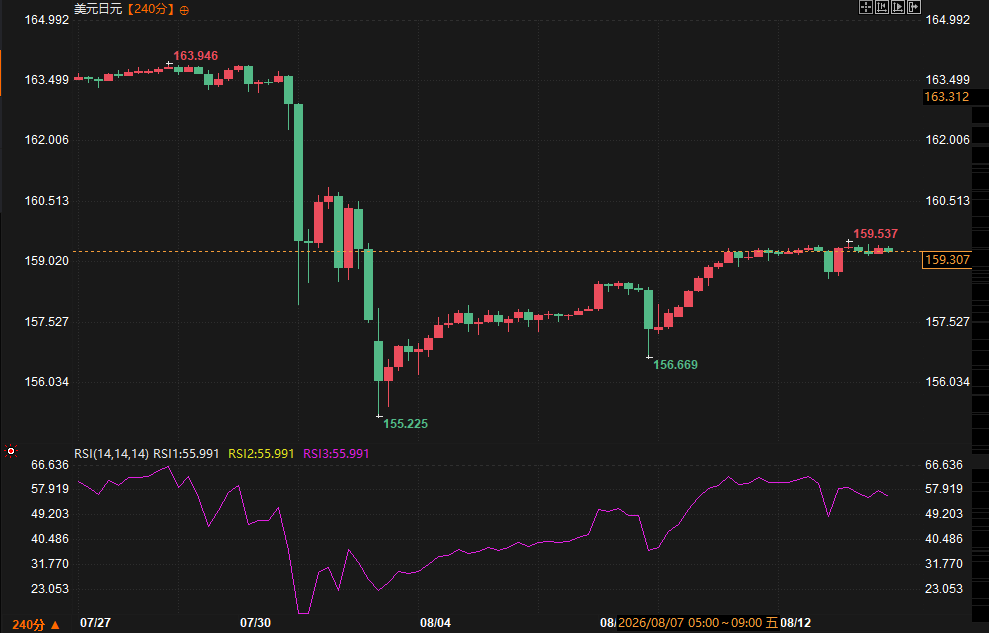
The yen weakened, approaching a key psychological level. Japan intervened while simultaneously suppressing interest rates, and the market continued to test the bottom. The dollar index fluctuated near its highs for the past two weeks, with safe-haven demand and energy costs putting greater pressure on the euro and yen. Strong PPI figures may support the dollar; however, if initial jobless claims show a cooling employment trend, the expectation of the Federal Reserve holding rates steady will limit the dollar's upside. The euro is driven more by the dollar and energy prices.Gold: Interest Rates and Geopolitical Factors Resonate
Overnight CPI figures were neither soft enough to prompt a rate hike nor strong enough to force action, leaving the probability of the Fed holding rates steady in September high. The labor market is characterized by low hiring, low layoffs, high continuing jobless claims, and slowing wages, which is relatively favorable for gold, a non-interest-bearing asset. The ongoing tensions surrounding Russia and Ukraine, along with the ongoing Hormuz stalemate, have led to intermittent safe-haven buying. If PPI remains high, concerns about sticky inflation may exert short-term downward pressure; conversely, escalating geopolitical tensions could reignite safe-haven demand.Crude oil: A tug-of-war between supply bottom and demand top
On the demand side, major overseas institutions lowered their 2026 global demand forecasts, and a significant increase in US crude oil inventories led to a short-term decline in oil prices. On the supply side, the Russia-Ukraine conflict in the Black Sea has damaged oil export facilities, potentially causing refineries to shut down for up to six months. The Strait of Hormuz remains severely restricted. Oil prices face a floor of supply risk and a ceiling of demand concerns. If geopolitical tensions escalate over the weekend, a price gap may occur next week.Risk windows: PPI, initial jobless claims and weekend
Tonight's PPI and initial jobless claims are the most important data releases for the remainder of the week. A strong PPI will reinforce the narrative of "superficially moderate inflation, but pipeline pressure rebuilding." If initial jobless claims remain low but continuing claims remain high, it confirms a low hiring environment. Variables such as Black Sea retaliation, shipping disruptions in the Hormuz, and US-Iran negotiations during the market closure could trigger a price gap next week. The above analysis is based on publicly available information and does not constitute trading advice.Trend Outlook
In the short term, volatility in long-term US Treasury bonds may increase around the time of the PPI and 30-year Treasury auction; if the PPI is overheated, long-term bonds will face pressure. The US dollar will remain volatile, with data and safe-haven demand taking turns dominating. Gold will fluctuate within a range, with geopolitical escalation potentially providing a rapid boost. Crude oil will be highly volatile, with both supply and demand troughs present. In the medium to long term, weakening capital inflows from Japan may systematically push up the US Treasury term premium; the Fed's inaction is generally favorable for gold; crude oil is in tight balance, but downward demand limits upside potential. The above is a discussion-based outlook and not trading advice.Frequently Asked Questions
Why does rising Japanese interest rates affect US Treasuries? Japan's long-term low interest rates have led to capital outflows into US Treasuries. Now, with rising Japanese yields, the momentum for capital outflows has weakened, marginal buying has decreased, and this has pushed up the term premium for long-term US Treasuries. Will the Fed raise interest rates in September? Currently, the probability of holding rates steady remains high. July's CPI wasn't strong enough to force action, and a slightly overheated PPI could increase uncertainty, but cooling employment limits the scope for rate hikes. What is the supporting logic for gold? Holding interest rates lowers the opportunity cost of holding non-interest-bearing assets; low hiring and layoffs in the labor market strengthen dovish expectations; the Russia-Ukraine situation and the Hormuz stalemate provide safe-haven buying. Why hasn't crude oil seen a one-sided rise? Geopolitical risks and refinery shutdowns on the supply side provide bottom support, but downward revisions to global demand forecasts and increased US inventories create top resistance, leading to high volatility. What risks should we pay attention to this weekend? Variables such as escalating Russia-Ukraine tensions in the Black Sea, shipping disruptions in the Hormuz, and a breakdown in US-Iran negotiations could trigger a gap at the opening next week; we need to pay attention to changes in public information.- Risk Warning and Disclaimer
- The market involves risk, and trading may not be suitable for all investors. This article is for reference only and does not constitute personal investment advice, nor does it take into account certain users’ specific investment objectives, financial situation, or other needs. Any investment decisions made based on this information are at your own risk.