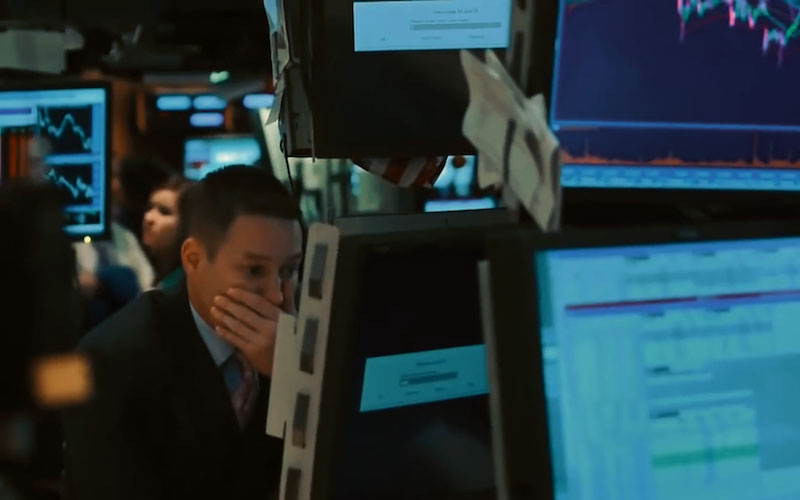
July's core PCE inflation remained stubbornly high, Federal Reserve officials were divided, and the Jackson Hole symposium was just around the corner.
2026-08-27 01:53:00
Although year-on-year prices remain stubbornly high, hindering the overall decline in inflation, short-term month-on-month data shows a slowdown in the pace of price increases, with monthly inflation rising at a moderate pace, briefly releasing a positive signal of marginal inflation cooling. For dovish officials who support maintaining interest rates and advocating a pause in rate hikes, this is an important basis for their current wait-and-see policy, and also provides some data buffer for the Federal Reserve to pause rate hikes at its September meeting. However, industry insiders generally believe that this moderate month-on-month data has limited impact and is far from quelling the core concerns of hawkish officials regarding a rebound in inflation and its stickiness exceeding expectations.  The core PCE index, excluding volatile food and energy prices, was in complete agreement with market expectations, remaining largely unchanged from June. The core PCE rose 0.2% month-on-month in July, also in line with market expectations, a slight increase from June's 0.1%, indicating a short-term rebound in inflation and completely breaking the previous trend of gradual price declines. This monthly increase suggests that current inflation is at a level of moderate upward movement with repeated fluctuations. US inflation is not declining unilaterally, but rather exhibits high stickiness and a tendency to rebound, significantly increasing the difficulty of the Federal Reserve's monetary policy adjustments. John Williams, President of the Federal Reserve Bank of New York, has explicitly stated that if monthly PCE inflation can remain stable at 0.2% or lower, it means that inflation will naturally and steadily decline to the Fed's 2% target level, implying that the Fed does not need to take additional interest rate hikes, as current interest rates can effectively suppress inflation. Boston Federal Reserve President Susan Collins publicly stated on Tuesday that she clearly supported maintaining the current interest rate level at the last policy meeting, acknowledging the Fed's policy approach of observing data and taking a wait-and-see approach. However, she also emphasized that to maintain the current interest rate level and pause tightening, it is necessary to see solid and credible evidence of a sustained decline in inflation and a cooling economy, rather than short-term minor fluctuations. Collins publicly warned the market that current US inflation remains high overall, and the basis for a decline is not solid. If effective evidence of a sustained decline in inflation cannot be obtained, and inflation stickiness continues to exceed expectations, then in order to ensure that inflation falls back to the target range within a reasonable time, "soon" initiating a new round of interest rate hikes would be an appropriate and necessary policy action. Capital Economics senior economist Ariana Curtis predicts that the mild inflation data in July is insufficient to support the Fed immediately initiating an interest rate hike at the September policy meeting, and monetary policy is likely to continue its wait-and-see approach in the short term. However, she also issued a clear warning: "Core PCE remains as high as 3.3% year-on-year, significantly higher than the Fed's 2% policy target. Coupled with the optimistic outlook that the overall US economic growth remains resilient and the labor market remains relatively strong, there is significant downward pressure on inflation. A rate hike is only a matter of time, not a question of whether a rate hike will occur." Curtis further predicted that the Fed will officially raise interest rates by 25 basis points in December, completing a new round of tightening operations this year. Moreover, the tightening cycle is not over yet; the Fed will implement another rate hike early next year to continue tightening monetary policy to suppress stubborn inflation. Ellen Zentner, chief economic strategist at Morgan Stanley Wealth Management, holds a similar view. She believes that the July PCE data was neutral and insufficient to change the policy stance of the Federal Open Market Committee (FOMC) in September. A pause in rate hikes and maintaining the current interest rate in September remains the most likely outcome. She stated, "However, if subsequent economic data continues the current trend of sticky inflation, the Federal Reserve may face greater policy pressure, forcing it to end its current wait-and-see approach and restart the interest rate hike process." This key inflation data release coincides with the Federal Reserve's upcoming annual Jackson Hole global central bank conference. Against the backdrop of uncertain inflation trends and divergent economic data, Fed officials hold differing views on interest rate policy, highlighting their disagreements. The market is highly sensitive to the policy interpretation of this meeting. Newly appointed Fed Chairman Kevin Warsh will deliver his first major public speech since taking office on Friday, marking his first policy announcement at a global central bank conference, attracting significant attention from global capital markets. Analysts generally expect Warsh to refrain from releasing clear policy signals for the September FOMC meeting in the short term. His speech will focus on the overall macroeconomic situation and outlining the medium- to long-term policy framework, rather than providing short-term interest rate guidance. Although the core PCE data for July showed a slight cooling month-on-month, providing some reassurance to the market, the potential risks to inflation remain prominent. The escalating geopolitical conflict and recurring instability in the Middle East have kept global energy prices persistently high, with core energy prices such as crude oil and refined oil remaining at high levels. This continues to exert inflationary pressure, posing a significant threat to a potential rebound in US inflation. Collins stated that he is closely monitoring this external risk variable and is wary of energy inflation transmitting to overall prices. Meanwhile, the Trump administration has restarted its trade dispute with Canada, escalating trade tensions between the two countries. Both sides have agreed to impose a new round of targeted tariffs in September. These tariffs will increase the cost of imported goods in the US, covering several core categories such as steel, auto parts, and agricultural products, further raising domestic price levels. The combination of these two major internal and external risk factors could lead to a rebound in US inflation or keep core inflation at a high level for an extended period, significantly delaying the decline in inflation and posing greater challenges to the Federal Reserve's subsequent monetary policy adjustments.
The core PCE index, excluding volatile food and energy prices, was in complete agreement with market expectations, remaining largely unchanged from June. The core PCE rose 0.2% month-on-month in July, also in line with market expectations, a slight increase from June's 0.1%, indicating a short-term rebound in inflation and completely breaking the previous trend of gradual price declines. This monthly increase suggests that current inflation is at a level of moderate upward movement with repeated fluctuations. US inflation is not declining unilaterally, but rather exhibits high stickiness and a tendency to rebound, significantly increasing the difficulty of the Federal Reserve's monetary policy adjustments. John Williams, President of the Federal Reserve Bank of New York, has explicitly stated that if monthly PCE inflation can remain stable at 0.2% or lower, it means that inflation will naturally and steadily decline to the Fed's 2% target level, implying that the Fed does not need to take additional interest rate hikes, as current interest rates can effectively suppress inflation. Boston Federal Reserve President Susan Collins publicly stated on Tuesday that she clearly supported maintaining the current interest rate level at the last policy meeting, acknowledging the Fed's policy approach of observing data and taking a wait-and-see approach. However, she also emphasized that to maintain the current interest rate level and pause tightening, it is necessary to see solid and credible evidence of a sustained decline in inflation and a cooling economy, rather than short-term minor fluctuations. Collins publicly warned the market that current US inflation remains high overall, and the basis for a decline is not solid. If effective evidence of a sustained decline in inflation cannot be obtained, and inflation stickiness continues to exceed expectations, then in order to ensure that inflation falls back to the target range within a reasonable time, "soon" initiating a new round of interest rate hikes would be an appropriate and necessary policy action. Capital Economics senior economist Ariana Curtis predicts that the mild inflation data in July is insufficient to support the Fed immediately initiating an interest rate hike at the September policy meeting, and monetary policy is likely to continue its wait-and-see approach in the short term. However, she also issued a clear warning: "Core PCE remains as high as 3.3% year-on-year, significantly higher than the Fed's 2% policy target. Coupled with the optimistic outlook that the overall US economic growth remains resilient and the labor market remains relatively strong, there is significant downward pressure on inflation. A rate hike is only a matter of time, not a question of whether a rate hike will occur." Curtis further predicted that the Fed will officially raise interest rates by 25 basis points in December, completing a new round of tightening operations this year. Moreover, the tightening cycle is not over yet; the Fed will implement another rate hike early next year to continue tightening monetary policy to suppress stubborn inflation. Ellen Zentner, chief economic strategist at Morgan Stanley Wealth Management, holds a similar view. She believes that the July PCE data was neutral and insufficient to change the policy stance of the Federal Open Market Committee (FOMC) in September. A pause in rate hikes and maintaining the current interest rate in September remains the most likely outcome. She stated, "However, if subsequent economic data continues the current trend of sticky inflation, the Federal Reserve may face greater policy pressure, forcing it to end its current wait-and-see approach and restart the interest rate hike process." This key inflation data release coincides with the Federal Reserve's upcoming annual Jackson Hole global central bank conference. Against the backdrop of uncertain inflation trends and divergent economic data, Fed officials hold differing views on interest rate policy, highlighting their disagreements. The market is highly sensitive to the policy interpretation of this meeting. Newly appointed Fed Chairman Kevin Warsh will deliver his first major public speech since taking office on Friday, marking his first policy announcement at a global central bank conference, attracting significant attention from global capital markets. Analysts generally expect Warsh to refrain from releasing clear policy signals for the September FOMC meeting in the short term. His speech will focus on the overall macroeconomic situation and outlining the medium- to long-term policy framework, rather than providing short-term interest rate guidance. Although the core PCE data for July showed a slight cooling month-on-month, providing some reassurance to the market, the potential risks to inflation remain prominent. The escalating geopolitical conflict and recurring instability in the Middle East have kept global energy prices persistently high, with core energy prices such as crude oil and refined oil remaining at high levels. This continues to exert inflationary pressure, posing a significant threat to a potential rebound in US inflation. Collins stated that he is closely monitoring this external risk variable and is wary of energy inflation transmitting to overall prices. Meanwhile, the Trump administration has restarted its trade dispute with Canada, escalating trade tensions between the two countries. Both sides have agreed to impose a new round of targeted tariffs in September. These tariffs will increase the cost of imported goods in the US, covering several core categories such as steel, auto parts, and agricultural products, further raising domestic price levels. The combination of these two major internal and external risk factors could lead to a rebound in US inflation or keep core inflation at a high level for an extended period, significantly delaying the decline in inflation and posing greater challenges to the Federal Reserve's subsequent monetary policy adjustments.
- Risk Warning and Disclaimer
- The market involves risk, and trading may not be suitable for all investors. This article is for reference only and does not constitute personal investment advice, nor does it take into account certain users’ specific investment objectives, financial situation, or other needs. Any investment decisions made based on this information are at your own risk.