The Jackson Hole meeting shifted its focus to long-term policy frameworks, and Warsh's first appearance may reshape the Fed's communication style.
2026-08-27 17:09:01
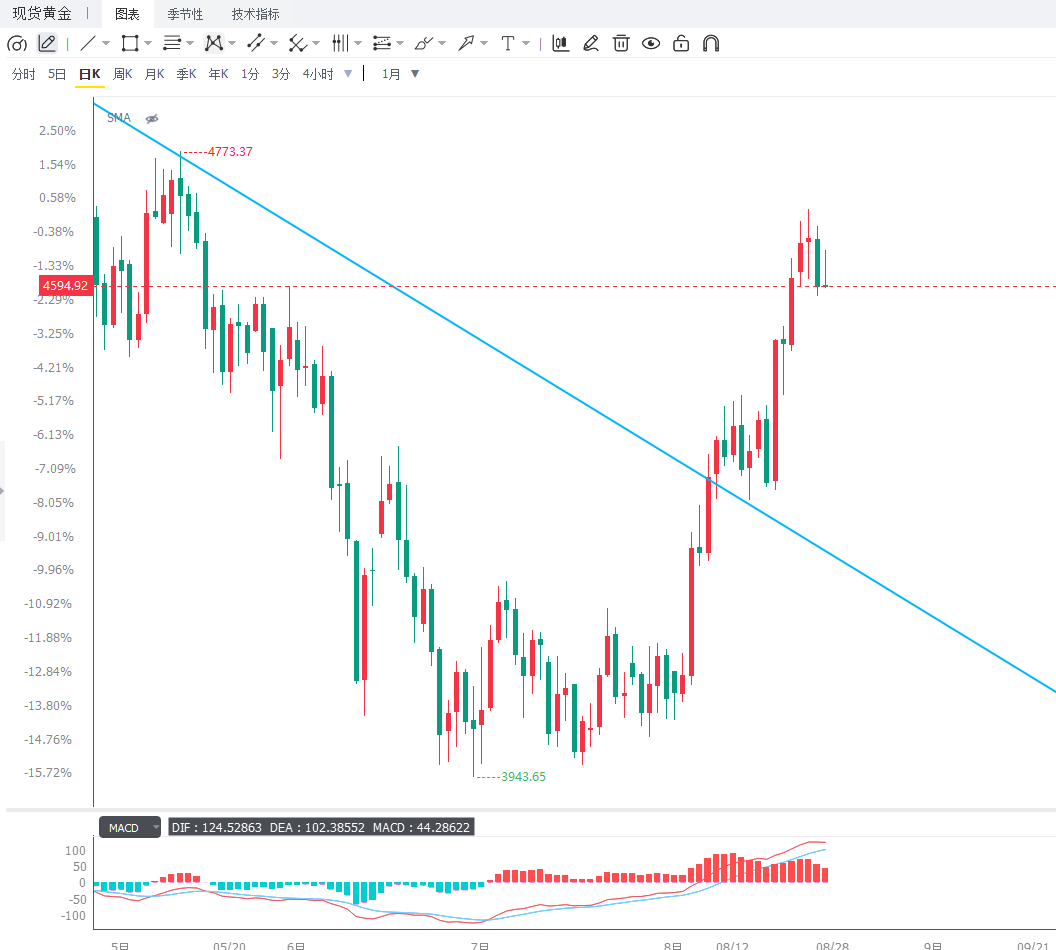
The Jackson Hole Economic Symposium is poised to become a major event for global financial markets. Unlike previous years, when the market primarily focused on interest rate adjustments, inflation, and employment for policy clues, this year investors are paying closer attention to changes in the Federal Reserve's future monetary policy framework and its policy communication methods.  Ajit Nair, Chief Investment Officer of Isio Investment Management, stated that this symposium may not focus excessively on immediate policy decisions, but rather on the long-term direction of monetary policy, central bank decision-making approaches, and the potential impact of these changes on investors. In his view, interest rates remain important, but Warsh's first appearance at the Jackson Hole symposium as Federal Reserve Chairman raises questions about the long-term policy vision he might unveil. This assessment suggests a potential shift in how the market interprets the Jackson Hole symposium. Historically, the Fed Chairman's speeches at the annual meeting have been seen as a crucial window into the next interest rate meeting, with investors adjusting their expectations for rate cuts or hikes based on changes in wording. However, if Warsh tends to reduce forward guidance on specific policy paths, the market may need to rely more on actual economic data rather than simply trading based on central bank officials' policy forecasts. For financial markets, the impact of this change extends beyond the interest rate market. The valuations of the dollar, Treasury yields, gold, and global risk assets are all closely related to market judgments on the future path of interest rates. If the Fed reduces explicit policy guidance, market sensitivity to economic data may further increase. The importance of data such as inflation, employment, consumption, and financial conditions will rise accordingly. Another change Warsh might push for is reducing financial markets' reliance on Federal Reserve forecasts and policy path predictions. For a long time, markets have formed concentrated expectations of future policy through dot plots, official speeches, and interest rate forecasting tools. If the central bank intends to reduce this forward guidance, investors will need to pay more attention to the policy response function—how the Fed will adjust policy under different economic conditions. This shift in policy communication could also increase short-term market volatility. Clear policy guidance helps the market form relatively stable interest rate expectations in advance, while a policy model that emphasizes data dependence means that every important economic data point could reshape market pricing. Especially in an environment where inflation remains sticky, the market may switch more frequently between scenarios of "high interest rates lasting longer" and "economic slowdown driving easing." The current US inflation environment also increases the complexity of the Fed's policy communication. Latest data shows that the US PCE price index rose 3.7% year-on-year in July, while core PCE remained at 3.3%. Inflation remains above the Fed's long-term target, but core indicators have not accelerated significantly further, making it more complex for policymakers to balance controlling price pressures with avoiding excessive economic cooling. Therefore, the market is currently not only focused on whether the Fed will adjust interest rates at its next meeting, but also on whether Warsh will redefine how the market understands Fed policy. If future policy communication places greater emphasis on long-term goals and data reliance, while reducing commitments to specific interest rate paths, then investors' interpretation of Fed speeches may gradually shift from "whether the next rate hike or cut will be" to "what data will trigger policy changes." The dollar market may become the most direct reflection of this policy change. If Warsh releases strong inflation warnings while emphasizing the need for restrictive policy, the dollar may receive support, and US Treasury yields may rise again; conversely, if he places more emphasis on economic growth and employment risks, and hints at room for policy adjustments, the dollar's previous strength may be suppressed, and non-yielding assets such as gold may receive support. The gold market, in particular, needs to pay close attention to this policy communication change. Gold is highly sensitive to real interest rates and the dollar's movement. If market uncertainty about the future interest rate path increases, short-term funds may increase demand for safe-haven assets and asset allocation. However, if Warsh releases a clearly hawkish signal and pushes up US Treasury real yields, gold may still face valuation pressure. From a longer-term perspective, if the Federal Reserve reduces market reliance on policy forecasts, it could effectively mean a gradual return to "data-driven" monetary policy. This model allows central banks to retain policy adjustment space, but it also means the market will have to bear higher information interpretation costs. Investors may pay more attention to actual changes in inflation, employment, and financial conditions in the future, rather than simply following the single statements of Federal Reserve officials. For gold, the daily chart still maintains a relatively strong structure, with prices fluctuating at high levels. The key resistance level to watch is around $4,745; a break above this area could see bulls further challenge $4,800. On the downside, $4,380-$4,365 forms an important support zone. On the 4-hour chart, if gold fails to break through previous highs and MACD momentum weakens, there is a risk of short-term profit-taking, but as long as key support holds, the medium-term bullish structure remains intact.
  Editor's Summary: The real focus of this year's Jackson Hole meeting may not be a specific interest rate adjustment, but rather whether Warsh will push for a change in the Fed's monetary policy communication style. If the Fed gradually reduces the market's reliance on policy path predictions, future asset prices will depend more on economic data and policy response functions, and the volatility logic of the dollar, US Treasury bonds, and gold may change accordingly. In the short term, US inflation remains high, making it difficult for the Fed to quickly shift to easing, but economic growth and employment performance limit the space for further tightening. How Warsh establishes a new communication framework between price stability, employment, and policy independence will determine the market's repricing of the future interest rate path. Therefore, it is not advisable to focus solely on whether Warsh releases "hawkish" or "dovish" signals, but rather to observe whether he changes the way the Fed communicates future policy with the market. If policy becomes more data-dependent, the importance of each round of important inflation and employment data may further increase, and market volatility may exhibit more pronounced cyclical characteristics.
Ajit Nair, Chief Investment Officer of Isio Investment Management, stated that this symposium may not focus excessively on immediate policy decisions, but rather on the long-term direction of monetary policy, central bank decision-making approaches, and the potential impact of these changes on investors. In his view, interest rates remain important, but Warsh's first appearance at the Jackson Hole symposium as Federal Reserve Chairman raises questions about the long-term policy vision he might unveil. This assessment suggests a potential shift in how the market interprets the Jackson Hole symposium. Historically, the Fed Chairman's speeches at the annual meeting have been seen as a crucial window into the next interest rate meeting, with investors adjusting their expectations for rate cuts or hikes based on changes in wording. However, if Warsh tends to reduce forward guidance on specific policy paths, the market may need to rely more on actual economic data rather than simply trading based on central bank officials' policy forecasts. For financial markets, the impact of this change extends beyond the interest rate market. The valuations of the dollar, Treasury yields, gold, and global risk assets are all closely related to market judgments on the future path of interest rates. If the Fed reduces explicit policy guidance, market sensitivity to economic data may further increase. The importance of data such as inflation, employment, consumption, and financial conditions will rise accordingly. Another change Warsh might push for is reducing financial markets' reliance on Federal Reserve forecasts and policy path predictions. For a long time, markets have formed concentrated expectations of future policy through dot plots, official speeches, and interest rate forecasting tools. If the central bank intends to reduce this forward guidance, investors will need to pay more attention to the policy response function—how the Fed will adjust policy under different economic conditions. This shift in policy communication could also increase short-term market volatility. Clear policy guidance helps the market form relatively stable interest rate expectations in advance, while a policy model that emphasizes data dependence means that every important economic data point could reshape market pricing. Especially in an environment where inflation remains sticky, the market may switch more frequently between scenarios of "high interest rates lasting longer" and "economic slowdown driving easing." The current US inflation environment also increases the complexity of the Fed's policy communication. Latest data shows that the US PCE price index rose 3.7% year-on-year in July, while core PCE remained at 3.3%. Inflation remains above the Fed's long-term target, but core indicators have not accelerated significantly further, making it more complex for policymakers to balance controlling price pressures with avoiding excessive economic cooling. Therefore, the market is currently not only focused on whether the Fed will adjust interest rates at its next meeting, but also on whether Warsh will redefine how the market understands Fed policy. If future policy communication places greater emphasis on long-term goals and data reliance, while reducing commitments to specific interest rate paths, then investors' interpretation of Fed speeches may gradually shift from "whether the next rate hike or cut will be" to "what data will trigger policy changes." The dollar market may become the most direct reflection of this policy change. If Warsh releases strong inflation warnings while emphasizing the need for restrictive policy, the dollar may receive support, and US Treasury yields may rise again; conversely, if he places more emphasis on economic growth and employment risks, and hints at room for policy adjustments, the dollar's previous strength may be suppressed, and non-yielding assets such as gold may receive support. The gold market, in particular, needs to pay close attention to this policy communication change. Gold is highly sensitive to real interest rates and the dollar's movement. If market uncertainty about the future interest rate path increases, short-term funds may increase demand for safe-haven assets and asset allocation. However, if Warsh releases a clearly hawkish signal and pushes up US Treasury real yields, gold may still face valuation pressure. From a longer-term perspective, if the Federal Reserve reduces market reliance on policy forecasts, it could effectively mean a gradual return to "data-driven" monetary policy. This model allows central banks to retain policy adjustment space, but it also means the market will have to bear higher information interpretation costs. Investors may pay more attention to actual changes in inflation, employment, and financial conditions in the future, rather than simply following the single statements of Federal Reserve officials. For gold, the daily chart still maintains a relatively strong structure, with prices fluctuating at high levels. The key resistance level to watch is around $4,745; a break above this area could see bulls further challenge $4,800. On the downside, $4,380-$4,365 forms an important support zone. On the 4-hour chart, if gold fails to break through previous highs and MACD momentum weakens, there is a risk of short-term profit-taking, but as long as key support holds, the medium-term bullish structure remains intact. Editor's Summary: The real focus of this year's Jackson Hole meeting may not be a specific interest rate adjustment, but rather whether Warsh will push for a change in the Fed's monetary policy communication style. If the Fed gradually reduces the market's reliance on policy path predictions, future asset prices will depend more on economic data and policy response functions, and the volatility logic of the dollar, US Treasury bonds, and gold may change accordingly. In the short term, US inflation remains high, making it difficult for the Fed to quickly shift to easing, but economic growth and employment performance limit the space for further tightening. How Warsh establishes a new communication framework between price stability, employment, and policy independence will determine the market's repricing of the future interest rate path. Therefore, it is not advisable to focus solely on whether Warsh releases "hawkish" or "dovish" signals, but rather to observe whether he changes the way the Fed communicates future policy with the market. If policy becomes more data-dependent, the importance of each round of important inflation and employment data may further increase, and market volatility may exhibit more pronounced cyclical characteristics.
- Risk Warning and Disclaimer
- The market involves risk, and trading may not be suitable for all investors. This article is for reference only and does not constitute personal investment advice, nor does it take into account certain users’ specific investment objectives, financial situation, or other needs. Any investment decisions made based on this information are at your own risk.