Middle East energy risks have boosted inflation expectations in the Eurozone, further increasing the probability of a September rate hike by the European Central Bank.
2026-09-01 14:51:03
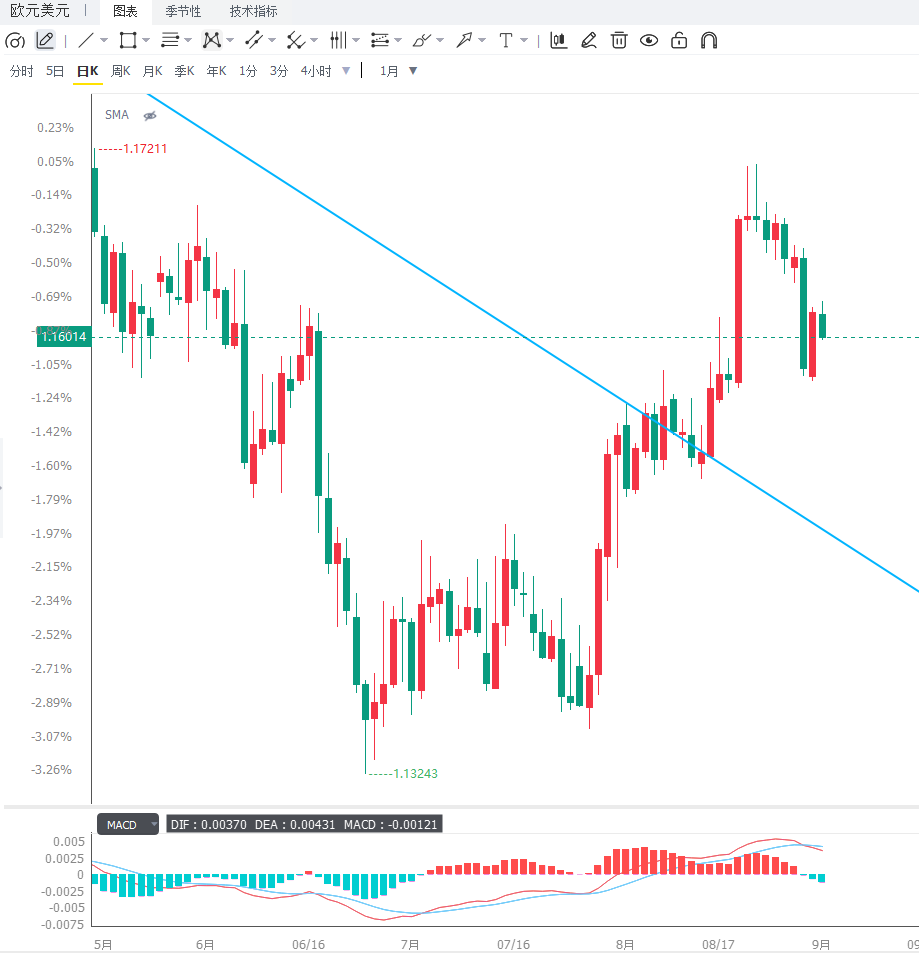
The policy tone within the European Central Bank (ECB) is shifting. ECB Governing Council member Olli Rehn recently stated that the ECB must prepare for a potential prolonged "consumption conflict" in the Middle East, as continued energy supply disruptions could keep eurozone inflation high for an extended period. He emphasized that policymakers cannot afford to be complacent in the face of inflationary pressures from rising energy prices.  The significance of Rehn's recent statement lies in the marked shift in his policy focus. Previously, he placed greater emphasis on the downside risks to economic growth, while this speech clearly places inflation back at the forefront of policy considerations. With the ongoing disruptions to energy supplies in the Middle East, the European Central Bank's policy environment has shifted from simply balancing growth and inflation to addressing potential supply shocks. Energy prices are at the heart of this shift. The disruptions to shipping through the Strait of Hormuz have already impacted the global energy market, with crude oil prices rising again to high levels, reinforcing market concerns about global inflation. For the Eurozone, energy shocks are particularly alarming. European energy consumption is heavily reliant on imports; if crude oil, natural gas, and transportation costs continue to rise, fuel, logistics, and industrial production costs will be affected first, and then the impact may gradually spread to food, services, and other end-product prices. If energy price increases persist longer than previously expected, the decline in Eurozone inflation may slow significantly. Recent data from Germany has already released some signals in this regard. Germany's CPI rose 2.9% year-on-year in August, up from 2.8% in July, with rising energy prices being a significant contributing factor. Meanwhile, core inflation was around 2.4%, indicating that price pressures excluding energy and food remain above the European Central Bank's (ECB) 2% target. This significantly increases the importance of the ECB's September policy meeting. The market currently expects the ECB to raise its deposit rate from 2.25% to 2.50% to address the inflationary risks posed by the energy shock. The ECB previously raised interest rates for the first time in nearly three years in June, and while the July meeting paused action, the minutes showed that some policymakers already considered a further rate hike in September highly likely. Hawkish voices within the ECB are also growing. ECB Executive Board member Isabel Schnabel had previously publicly supported a further rate hike in September, and Rehn's warnings about long-term inflation risks mean that more policymakers are beginning to view the energy shock as a policy risk that needs serious attention. The ECB's policy discussions are gradually shifting from "whether further tightening is needed" to "how to prevent the energy shock from evolving into persistent inflation." However, the challenges facing the ECB are not simple. Rising energy prices are a typical supply-side shock. While interest rate hikes can curb demand and the effects of double-dip inflation, they cannot directly increase the supply of crude oil or natural gas. If monetary policy tightens too much, it could further suppress business investment and household consumption, putting more significant growth pressure on the Eurozone economy. Therefore, the European Central Bank (ECB) may adopt a more cautious policy path in the future. On the one hand, it needs to stabilize inflation expectations through interest rate hikes to prevent the energy shock from spreading to wages and service prices; on the other hand, it needs to avoid excessive monetary tightening, which could exacerbate economic weakness against the backdrop of rising energy costs. Balancing inflation and growth will be the ECB's most important challenge in the coming months. Market pricing of the euro is also being affected by this policy change. If the ECB confirms a September rate hike and signals a high degree of vigilance regarding energy inflation, the euro may receive short-term support from interest rate expectations. However, if energy prices continue to rise rapidly and trigger market concerns about a Eurozone recession, the euro's safe-haven appeal and growth prospects may both be under pressure. From a broader market perspective, the Middle East energy shock is reshaping the policy environment of major central banks globally. In the US, the Federal Reserve is also facing higher inflationary pressures due to rising energy prices; Europe, due to its reliance on energy imports, is more sensitive to supply disruptions. Global markets may be re-entering a cycle of rising energy prices, inflated inflation expectations, rising interest rate expectations, and pressure on economic growth. For European assets, this means higher volatility in bond yields, the euro exchange rate, and stock market valuations. European government bond yields have already risen significantly, driven by inflation expectations, with the German two-year bond yield reaching its highest level since July 2024. If energy prices continue to strengthen, the bond market may further factor in the risk of ECB rate hikes, while a high-interest-rate environment could suppress interest rate-sensitive stocks and real estate assets. The EUR/USD daily chart is currently in a consolidation phase after a rebound. The 1.1600 level is a key short-term support. If it can hold above this level, the market still has a chance to retest the 1.1650 and 1.1710-1.1720 area; a break above 1.1720 would target the 1.1760 area. A break below 1.1570 could lead to a retest of the 1.1490 area, indicating that the previous corrective structure faces greater downward pressure. From a 4-hour chart perspective, the EUR/USD pair shows neutral short-term momentum, with the market awaiting further confirmation from Eurozone inflation data regarding the ECB's policy direction. If the data strengthens expectations of a September rate hike, the pair could extend its gains towards the 1.1710 area after breaking through 1.1650; conversely, if inflation falls short of expectations, the dollar will regain its interest rate advantage, and the pair could retreat to around 1.1570. The key short-term direction remains the breakout direction from the 1.1600-1.1650 range.
  Editor's Summary: Rehn's latest remarks indicate a significant increase in the European Central Bank's (ECB) policy focus on the Middle East energy shock. With oil prices rising again, Eurozone inflation faces renewed upward risks, and voices within the ECB supporting further policy tightening are growing. In the short term, expectations of a September rate hike may continue to support the euro, but the ongoing energy shock will also increase pressure on Eurozone economic growth. If shipping through the Strait of Hormuz remains disrupted for an extended period, the ECB may face a more challenging combination of "high inflation and low growth"; if energy supplies gradually recover, the current inflationary shock may gradually ease. Investors should pay close attention to the Eurozone's August HICP, oil and gas prices, ECB officials' speeches, and the September policy meeting. Whether energy prices can transform from a short-term risk premium into sustained inflationary pressure will determine whether the ECB's hawkish policy can be further maintained and will be a key variable in the future trajectory of the euro.
The significance of Rehn's recent statement lies in the marked shift in his policy focus. Previously, he placed greater emphasis on the downside risks to economic growth, while this speech clearly places inflation back at the forefront of policy considerations. With the ongoing disruptions to energy supplies in the Middle East, the European Central Bank's policy environment has shifted from simply balancing growth and inflation to addressing potential supply shocks. Energy prices are at the heart of this shift. The disruptions to shipping through the Strait of Hormuz have already impacted the global energy market, with crude oil prices rising again to high levels, reinforcing market concerns about global inflation. For the Eurozone, energy shocks are particularly alarming. European energy consumption is heavily reliant on imports; if crude oil, natural gas, and transportation costs continue to rise, fuel, logistics, and industrial production costs will be affected first, and then the impact may gradually spread to food, services, and other end-product prices. If energy price increases persist longer than previously expected, the decline in Eurozone inflation may slow significantly. Recent data from Germany has already released some signals in this regard. Germany's CPI rose 2.9% year-on-year in August, up from 2.8% in July, with rising energy prices being a significant contributing factor. Meanwhile, core inflation was around 2.4%, indicating that price pressures excluding energy and food remain above the European Central Bank's (ECB) 2% target. This significantly increases the importance of the ECB's September policy meeting. The market currently expects the ECB to raise its deposit rate from 2.25% to 2.50% to address the inflationary risks posed by the energy shock. The ECB previously raised interest rates for the first time in nearly three years in June, and while the July meeting paused action, the minutes showed that some policymakers already considered a further rate hike in September highly likely. Hawkish voices within the ECB are also growing. ECB Executive Board member Isabel Schnabel had previously publicly supported a further rate hike in September, and Rehn's warnings about long-term inflation risks mean that more policymakers are beginning to view the energy shock as a policy risk that needs serious attention. The ECB's policy discussions are gradually shifting from "whether further tightening is needed" to "how to prevent the energy shock from evolving into persistent inflation." However, the challenges facing the ECB are not simple. Rising energy prices are a typical supply-side shock. While interest rate hikes can curb demand and the effects of double-dip inflation, they cannot directly increase the supply of crude oil or natural gas. If monetary policy tightens too much, it could further suppress business investment and household consumption, putting more significant growth pressure on the Eurozone economy. Therefore, the European Central Bank (ECB) may adopt a more cautious policy path in the future. On the one hand, it needs to stabilize inflation expectations through interest rate hikes to prevent the energy shock from spreading to wages and service prices; on the other hand, it needs to avoid excessive monetary tightening, which could exacerbate economic weakness against the backdrop of rising energy costs. Balancing inflation and growth will be the ECB's most important challenge in the coming months. Market pricing of the euro is also being affected by this policy change. If the ECB confirms a September rate hike and signals a high degree of vigilance regarding energy inflation, the euro may receive short-term support from interest rate expectations. However, if energy prices continue to rise rapidly and trigger market concerns about a Eurozone recession, the euro's safe-haven appeal and growth prospects may both be under pressure. From a broader market perspective, the Middle East energy shock is reshaping the policy environment of major central banks globally. In the US, the Federal Reserve is also facing higher inflationary pressures due to rising energy prices; Europe, due to its reliance on energy imports, is more sensitive to supply disruptions. Global markets may be re-entering a cycle of rising energy prices, inflated inflation expectations, rising interest rate expectations, and pressure on economic growth. For European assets, this means higher volatility in bond yields, the euro exchange rate, and stock market valuations. European government bond yields have already risen significantly, driven by inflation expectations, with the German two-year bond yield reaching its highest level since July 2024. If energy prices continue to strengthen, the bond market may further factor in the risk of ECB rate hikes, while a high-interest-rate environment could suppress interest rate-sensitive stocks and real estate assets. The EUR/USD daily chart is currently in a consolidation phase after a rebound. The 1.1600 level is a key short-term support. If it can hold above this level, the market still has a chance to retest the 1.1650 and 1.1710-1.1720 area; a break above 1.1720 would target the 1.1760 area. A break below 1.1570 could lead to a retest of the 1.1490 area, indicating that the previous corrective structure faces greater downward pressure. From a 4-hour chart perspective, the EUR/USD pair shows neutral short-term momentum, with the market awaiting further confirmation from Eurozone inflation data regarding the ECB's policy direction. If the data strengthens expectations of a September rate hike, the pair could extend its gains towards the 1.1710 area after breaking through 1.1650; conversely, if inflation falls short of expectations, the dollar will regain its interest rate advantage, and the pair could retreat to around 1.1570. The key short-term direction remains the breakout direction from the 1.1600-1.1650 range. Editor's Summary: Rehn's latest remarks indicate a significant increase in the European Central Bank's (ECB) policy focus on the Middle East energy shock. With oil prices rising again, Eurozone inflation faces renewed upward risks, and voices within the ECB supporting further policy tightening are growing. In the short term, expectations of a September rate hike may continue to support the euro, but the ongoing energy shock will also increase pressure on Eurozone economic growth. If shipping through the Strait of Hormuz remains disrupted for an extended period, the ECB may face a more challenging combination of "high inflation and low growth"; if energy supplies gradually recover, the current inflationary shock may gradually ease. Investors should pay close attention to the Eurozone's August HICP, oil and gas prices, ECB officials' speeches, and the September policy meeting. Whether energy prices can transform from a short-term risk premium into sustained inflationary pressure will determine whether the ECB's hawkish policy can be further maintained and will be a key variable in the future trajectory of the euro.
- Risk Warning and Disclaimer
- The market involves risk, and trading may not be suitable for all investors. This article is for reference only and does not constitute personal investment advice, nor does it take into account certain users’ specific investment objectives, financial situation, or other needs. Any investment decisions made based on this information are at your own risk.