The interest rate game intensifies: US Vice President pressures for rate cuts, Federal Reserve's independence faces severe test.
2026-09-04 10:14:04
With the Federal Reserve's crucial policy meeting approaching, a battle over the direction of monetary policy is rapidly intensifying. On Thursday (September 3), US Vice President Vance publicly called on the Fed to cut interest rates to alleviate housing costs for the public. This move not only directly echoed President Trump's pressure on the central bank to cut rates but also sharply contrasted with the stance previously hinted at by Trump's nominee for Fed Chairman, Kevin Warsh, who advocated for raising rates to combat inflation. Against the backdrop of high inflation and housing cost pressures, the Fed's decision-making independence is facing unprecedented political challenges, and market expectations for a September interest rate adjustment are stuck in a stalemate. 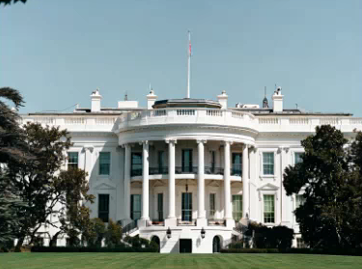
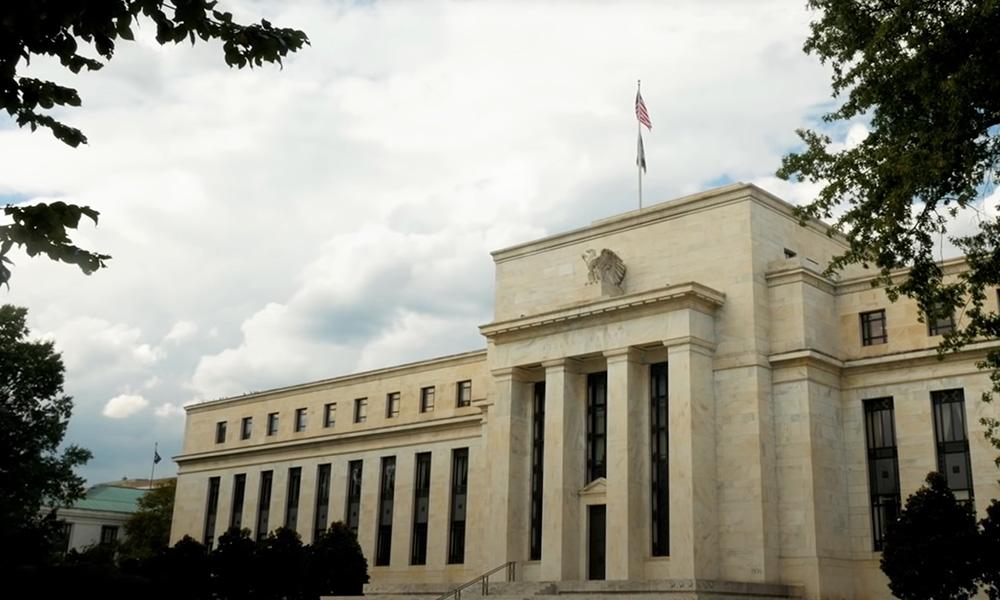
Pressure from top officials: Vance publicly calls for interest rate cuts to support housing demand.
On Thursday, Vice President Vance responded to questions about the U.S. government's views on the current volatile U.S. bond market at a White House press briefing, clearly expressing a strong desire to push for a Federal Reserve interest rate cut. When asked about the government's perspective, Vance first emphasized President Trump's high regard for interest rates, pointing out that the core of this concern lies in the affordability of housing for Americans. Vance noted that Trump's close monitoring of interest rate dynamics stems from his desire for Americans to be able to afford home purchases. He further explained that higher interest rates directly mean higher borrowing costs, placing a heavy burden on families eager to own homes. Based on this, Vance stated that the government believes the Federal Reserve should take measures to cut interest rates, viewing this action as an "appropriate and responsible" response to recent U.S. inflation data. He added that while the government is working through various means to lower interest rates, the coordinated support of the Federal Reserve would undoubtedly significantly boost the policy's effectiveness.Policy Divergence: Federal Reserve Chairs Hold Disagreements, and Pathways for Inflation Management Remain Different
Vance's call for interest rate cuts comes just days after Warsh, Trump's handpicked Federal Reserve Chairman, publicly stated his position, highlighting a significant divergence in their policy stances. Less than a week ago, Warsh clearly stated his unwavering commitment to bringing inflation back to the Fed's 2% target and viewing interest rates as a core tool for controlling inflation. In a speech in Jackson Hole, Wyoming, Warsh emphasized that short-term interest rates are crucial for the Fed to achieve its dual mandate of full employment and price stability. This statement sends a signal directly opposite to the calls for rate cuts from senior government officials, highlighting differing considerations within the Fed regarding the path to addressing inflation. This divergence not only reflects a clash of economic governance philosophies but also brings the policy game between the central bank and the administration to the forefront.Federal Reserve Independence Crisis: Increased Political Interference and Uncertain Decision-Making Outlook
Vance's remarks further exacerbated concerns about the erosion of the Federal Reserve's independence under Trump's presidency. In fact, Trump has previously demonstrated a strong interventionist stance in monetary policy, not only pressuring Warsh's predecessor for significant interest rate cuts but also currently attempting to fire Federal Reserve Governor Lisa Cook. This direct intervention in central bank personnel and decision-making has sparked widespread questioning of the independence of monetary policy. With the Federal Open Market Committee (FOMC) scheduled to meet in less than two weeks to decide whether to adjust interest rates, the final outcome of this game is highly uncertain. Currently, market expectations for interest rate adjustments at the September 15-16 meeting are highly divergent. The CME Group's FedWatch Tool shows that traders' judgments on the probability of a rate hike at that time are almost evenly split. Meanwhile, opinions within the Federal Reserve are also divided: on Tuesday, Federal Reserve Governor Michael Barr stated that he would support a rate hike if inflation remains high; while on Thursday morning, Federal Reserve Governor Christopher Waller indicated a preference for maintaining the current interest rate.Conclusion
Currently, the Federal Reserve stands at a critical crossroads in its monetary policy decisions, facing political pressure from the White House on one side and the real challenges of high inflation and economic well-being on the other. Vance's call for rate cuts and Fed Chairman Warsh's anti-inflation stance are locked in a tug-of-war, while internal disagreements among board members further complicate the September policy meeting. In this game concerning the independence of monetary policy and the direction of the economy, how the Fed will balance the demands of all parties and make decisions that align with economic principles will not only test the central bank's professional resolve but also attract global market attention. The final outcome will undoubtedly have a profound impact on the US economy and people's lives.- Risk Warning and Disclaimer
- The market involves risk, and trading may not be suitable for all investors. This article is for reference only and does not constitute personal investment advice, nor does it take into account certain users’ specific investment objectives, financial situation, or other needs. Any investment decisions made based on this information are at your own risk.