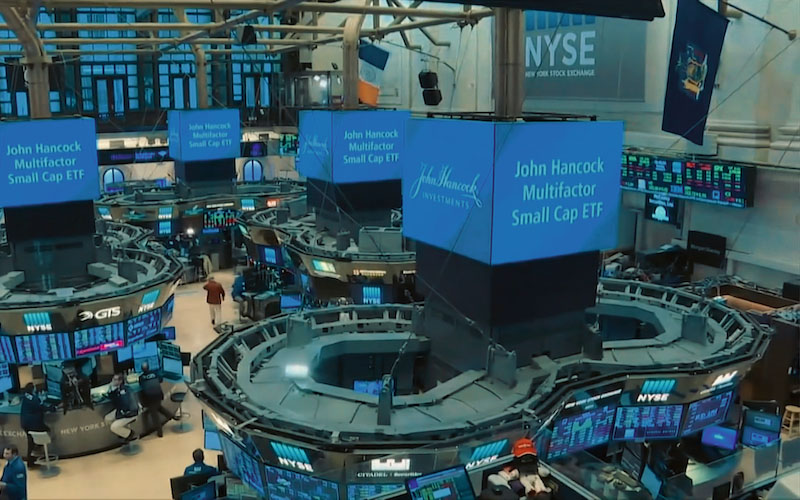
Institutions have conducted in-depth analyses of the policy paths of the central banks in the US, Europe, the UK, and Japan, believing that September will be a key turning point.
2026-09-04 14:08:06
Faced with a complex global economic landscape, the monetary policies of major central banks around the world are at a crossroads, and every decision they make profoundly affects market sentiment. In the coming months, the policy paths of the Federal Reserve, the European Central Bank, the Bank of England, and the Bank of Japan will evolve not only influencing the fate of their respective economies but also reshaping the global financial landscape. As this crucial juncture approaches, a silent game surrounding interest rate hikes and falls has already begun; understanding the underlying logic and trends has become key to seizing market opportunities. 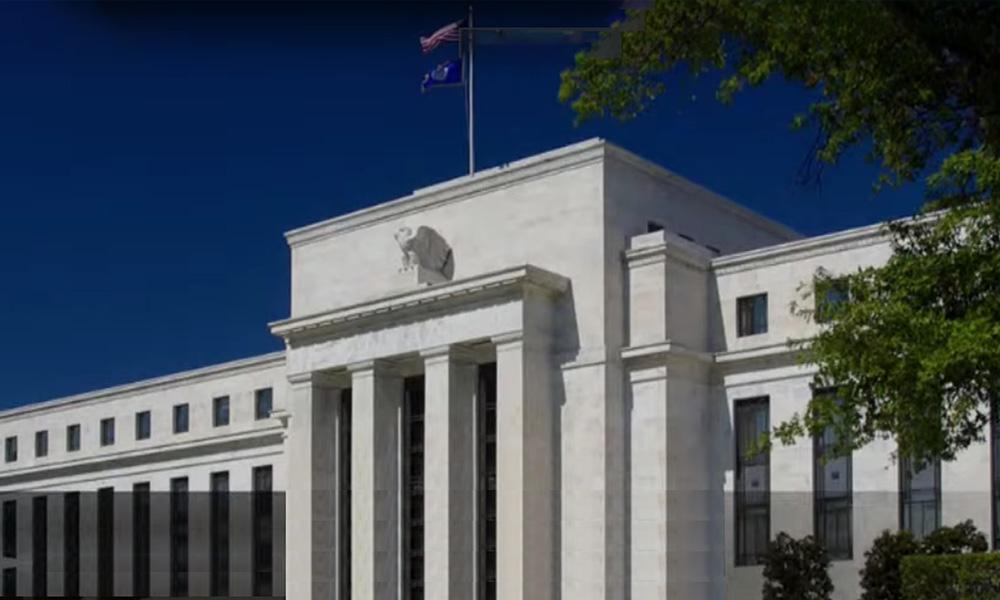


Federal Reserve: Sharp shift in stance; September rate hike may be a risk management measure.
Previously, the market generally believed that the Federal Reserve had sufficient patience to wait for inflation to naturally fall back to the 2% target range over the next 12 months. However, Fed Chairman Kevin Warsh's remarks at the Jackson Hole conference completely reversed this expectation. He clearly stated that given persistently high inflation against a backdrop of full employment and the fact that financial conditions had not tightened significantly, decisive action was imperative. This shift in tone marks a fundamental shift in the Fed's policy logic. Currently, there seems to be a high degree of consensus within the Federal Open Market Committee (FOMC), which is no longer opposed to raising interest rates. The policy stance has shifted from "keeping interest rates unchanged unless data supports a rate hike" to "raising interest rates unless data proves it necessary to pause." This shift means that a rate hike at the September 17th interest rate decision is now the most probable event. Although the current macroeconomic environment is characterized by weak job growth, moderate economic growth, and cooling inflation, this expectation of a rate hike is interpreted more as a risk management tool, intended to prevent potential risks through preemptive tightening, rather than the start of a new round of sustained interest rate hikes.European Central Bank: Economic resilience supports interest rate hikes, energy risks prompt insurance-style rate increases.
The European Central Bank's (ECB) September policy meeting is almost certain to bring another interest rate hike. This expectation stems not only from some Governing Council members publicly calling for a rate hike at the July meeting, but more importantly, from the remarkable resilience of the Eurozone economy to the shocks of the Middle East situation since July. This resilience is due to a certain element of luck, the more severe impact of the Strait of Hormuz closure on Asian competitors leading to a shift of orders to Europe, and the crucial supporting role played by long-term fiscal stimulus policies. Meanwhile, although core and service inflation are currently moderate, overall inflation continues to rise. Coupled with persistently high oil prices and the increased risk of a new round of natural gas price shocks, most policymakers believe that the reasons for another rate hike are sufficient. Even if the ECB remains reserved about certain terminology, the second rate hike this year is essentially an insurance-style hike, its core purpose being to consolidate the central bank's credibility and prevent the indirect effects or second-round inflationary effects that the current energy price shock may trigger.Bank of England: High threshold for interest rate hikes; falling inflation may trigger a rate-cutting cycle.
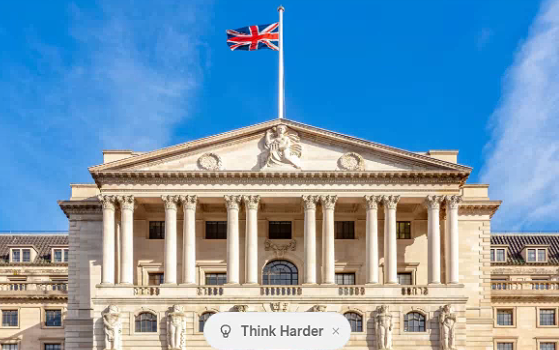
Compared to the hawkish stance of the Federal Reserve and the European Central Bank, the Bank of England's threshold for raising interest rates remains relatively high. The market currently expects three rate hikes before next summer, but a unified front has not formed within the policy committee. At the July meeting, only three of the nine members supported a rate hike, while the remaining six firmly remained in the pause camp. Notably, Claire Lombardelli, considered a potential new member of the hawkish camp, explicitly stated that voting to maintain the current interest rate was not a difficult decision at the last meeting, further confirming the consensus on maintaining the status quo. The Bank of England previously set a 4% inflation threshold, believing that only when inflation exceeds this level would a second round of inflationary effects be highly likely. Despite recent increases in natural gas prices, forecasts indicate that inflation will briefly peak at 3.5% next winter, a level far lower than the 2022 peak, when the Bank of England was still implementing rate cuts. Therefore, unless the October budget introduces substantial fiscal easing, the Bank of England is expected to initiate two rate cuts by 2027 to address economic growth pressures.Bank of Japan: Interest rate hikes are imminent; policy balancing tests decision-making wisdom.
The Bank of Japan's policy shift is becoming increasingly clear, with a 25 basis point rate hike expected at its September meeting, pushing the policy rate to 1.25%. Internal assessments suggest that most policymakers believe the neutral interest rate is close to 2%, and inflation will remain stable above 2% throughout the policy horizon, providing solid theoretical support for the rate hike. The biggest question in the market is whether the September rate hike signals an accelerated tightening cycle or is merely a retaliatory response to the US Treasury's support for the yen at the end of July. Based on this baseline assessment, the Bank of Japan is expected to follow suit with rate hikes in January and April next year, prioritizing completing its tightening strategy before the large-scale consumption tax increase takes effect in April. This is because if the tax reform leads to a decline in overall inflation, further rate hikes at that time will face significant public pressure. However, a cumulative tightening of 75 basis points over the next six months is not a certainty. The Japanese government is firmly committed to its pro-growth agenda and is highly wary of premature and excessive monetary tightening. This government-level checks and balances will be an unavoidable variable in the Bank of Japan's policy implementation.Conclusion
Looking at the world's four major central banks, their policy paths are showing significant divergence and a game of strategy. The Federal Reserve's aggressive shift, the European Central Bank's defensive tightening, the Bank of England's cautious wait-and-see approach, and the Bank of Japan's tentative exploration collectively paint a complex picture of global monetary policy. September will be a crucial turning point in this landscape. As central banks balance inflation targets, economic growth, and risk management, they will not only be testing the wisdom of policymakers but will also continue to inject new uncertainties and opportunities into global markets.- Risk Warning and Disclaimer
- The market involves risk, and trading may not be suitable for all investors. This article is for reference only and does not constitute personal investment advice, nor does it take into account certain users’ specific investment objectives, financial situation, or other needs. Any investment decisions made based on this information are at your own risk.