Institutions: US August core CPI is key, determining whether the Fed will keep rates stable or raise them in September.
2026-09-10 12:08:07
The market is focused on Friday's US August CPI data, which will directly influence the Federal Reserve's September interest rate decision. Christopher Hodge, chief US economist at Natixis, noted in a research report that even if the CPI shows underlying inflation continuing to improve towards the target, the Federal Open Market Committee (FOMC) could still choose to raise interest rates at its September meeting if Fed officials are disappointed with the pace of the decline in inflation. The US Bureau of Labor Statistics will release the data at 8:30 PM Beijing time on Friday.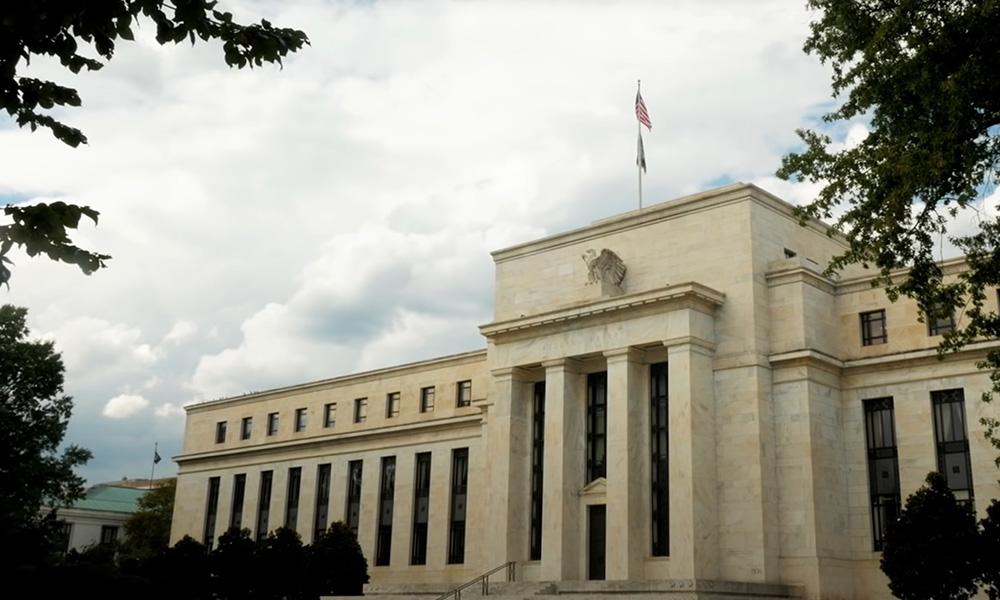
CPI Forecast Released: Energy and Food Prices to Push Up Overall Inflation, Key Data is Extremely Subtle
In his August CPI forecast report from Natixis, Hodge wrote that institutions expect core CPI to rise 0.2% month-on-month and overall CPI to rise 0.4% in August. A more precise calculation shows a core CPI increase of 0.19% month-on-month, and the second decimal place will have unprecedented significance. There is currently a clear divergence among Federal Reserve policymakers regarding the direction of monetary policy. Hodge believes that to avoid a rate hike in September, the month-on-month increase in core CPI will likely need to fall below the 0.20% threshold. Hodge stated that the main driver of overall inflation is energy and food prices, not a comprehensive rebound in underlying inflation. Gasoline prices dragged down overall CPI by nearly 12 basis points in July, but in August, gasoline prices are expected to contribute approximately 2.5 basis points to overall CPI. Household food prices have also reversed the downward trend of July, while dining out prices remain firm. In summary, the overall CPI in July was unusually low, while the institutional forecast for August has been raised; the difference between the two is largely attributed to food and energy prices.Federal Reserve officials have shifted their stance, and while inflation indicators are declining, the pace remains controversial.
Hodge noted that the most significant market change after the July CPI release came from the statements of Federal Reserve Chairman Kevin Warsh. Despite several better-than-expected inflation data releases over the summer, Warsh explicitly stated that the underlying trend of inflation had not shown substantial improvement. Hodge explained that opinions may vary on the definition of "substantial improvement," and while inflation has slowed in recent years, the process has been fraught with difficulties. The core issue facing policymakers is whether the decline in inflation has been sufficient at current interest rate levels. He also cited analysis from the San Francisco Fed, suggesting that current inflation is driven more by non-cyclical factors, including the lagged effects of past tariffs and recent energy price increases. Warsh also referenced indicators such as median inflation and the cut-off mean, all of which showed a downward trend.The FOMC's stance has reached a crossroads, with Waller's attitude becoming a bellwether.
Regarding the impact of the August CPI on the Federal Reserve's subsequent interest rate decision, Natixis does not believe that inflation will accelerate again, and the institution predicts that price increases will continue to slow in the coming quarters. Hodge stated that the institution's assessment of the inflation path remains unchanged, but its judgment on the logic of the Fed's policy response has shifted. Policymakers are increasingly skeptical that the pace of inflation decline is insufficient to support maintaining interest rates unchanged. Governor Waller is a bellwether within the Federal Open Market Committee (FOMC), and his position is clear and unequivocal. Waller has stated that he wants to give inflation a chance to play its role; if subsequent data is positive, he tends to keep interest rates unchanged; however, if the data falls short of expectations, Waller will not hesitate to support a rate hike. He concluded that policymakers believe monetary policy has reached a crossroads, and the stage of blaming excess inflation on external factors such as tariffs and rising energy prices is over. The institution predicts that if the core CPI month-on-month increase falls to 0.19% or lower, Waller and even the entire FOMC will likely choose to maintain interest rates unchanged, but the margin for error on this favorable path is very narrow. If the core CPI is higher than that level on Friday, the Federal Reserve will most likely raise policy rates next week. He added that if policymakers are not satisfied with the pace of inflation deflation, only one or two rate hikes would be enough to push inflation further down.Conclusion
The August CPI will be a key watershed moment for the Federal Reserve's September interest rate decision. Food and energy prices are driving overall inflation, and even slight differences in core CPI readings can alter the Fed's policy direction. Currently, there is intense debate within the Fed, with officials no longer willing to simply attribute inflationary pressures to external shocks. If core inflation falls short of expectations, a rate hike will be on the agenda, and this expectation will continue to influence global asset prices, including US Treasuries, gold, and foreign exchange. The market needs to patiently await the CPI data release on Friday evening to observe how the inflation data will shift the Fed's policy balance.- Risk Warning and Disclaimer
- The market involves risk, and trading may not be suitable for all investors. This article is for reference only and does not constitute personal investment advice, nor does it take into account certain users’ specific investment objectives, financial situation, or other needs. Any investment decisions made based on this information are at your own risk.