From 10 ships to 4, shipping volume in the Hormuz region has plummeted. Where will oil prices go next?
2026-09-15 14:34:09
Commercial shipping volumes in the Strait of Hormuz have plummeted due to ongoing tensions in the Gulf. According to data from maritime analytics firm Kpler, only four cargo ships passed through the strait in the past 24 hours, far fewer than the 10 ships of the previous day and significantly lower than normal peacetime levels. At least 436 vessels are waiting in anchorages around the strait, with shipping companies delaying voyages due to security risks and navigational uncertainty. Brent crude futures rose in Asian trading on Tuesday (September 15), currently up about 1% to around $107.50 per barrel. The previous day, it reached a high of $109.72 per barrel, a new high since May 21, reflecting market concerns that continued unrest in the Gulf could tighten global energy supplies. 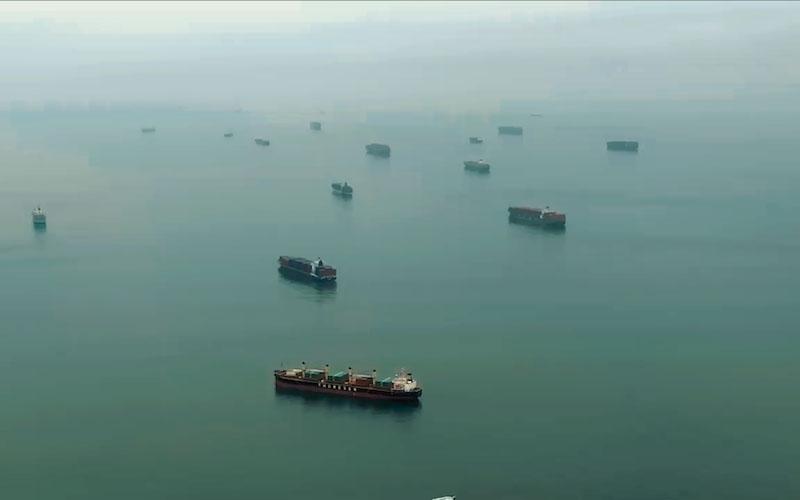
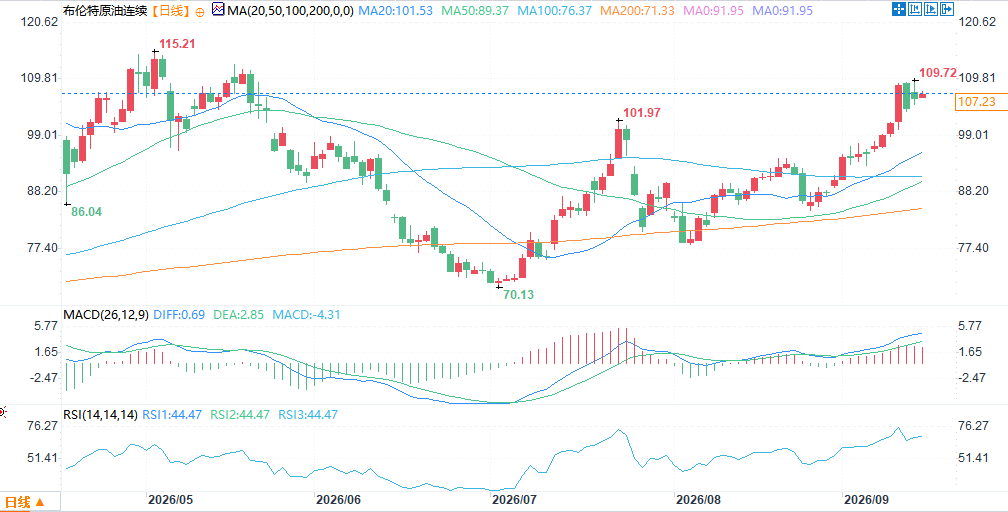 (Brent crude oil futures daily chart, source: EasyTrade) At 14:32 Beijing time, Brent crude oil futures were trading at $107.50 per barrel.
Shipping volume plummeted: from 10 ships to 4, with 436 vessels stranded and waiting.
According to Al Jazeera, citing Kpler data, only four cargo ships passed through the Strait of Hormuz on Monday, down from ten the previous day and far below normal peacetime traffic volume through this strategic waterway. Latest figures show at least 436 vessels are waiting in anchorages around the Strait of Hormuz, with shipping companies delaying voyages due to security risks and navigational uncertainty. Maritime analysts say some vessels have also turned off their Automatic Identification System (AIS) transponders, meaning the actual traffic volume is likely slightly higher than publicly reported figures. The Strait of Hormuz normally carries about 20% of global crude oil and liquefied natural gas exports, making it one of the world's most important energy chokepoints. Since the escalation of the US-Iran conflict, ship traffic through the strait has fallen sharply from pre-war levels, disrupting regional shipping and energy markets.The attack and the diplomatic standstill are putting pressure on each other.
The decline in shipping volume stems from a series of attacks on merchant ships, including mine and missile attacks, which have forced shipping companies to alter routes or postpone cargo shipments as much as possible. Furthermore, diplomatic efforts between Gulf Arab states and Iran regarding shipping arrangements in the Strait of Hormuz have stalled due to escalating regional tensions. As traffic slows in the Strait of Hormuz, tensions between the United States and Iran over control and security issues in the strait continue, while fighting between Saudi Arabia and the Iranian-backed Houthi rebels has spread throughout the Gulf and Red Sea regions. The current shipping crisis in the Strait of Hormuz is driven by both security threats and diplomatic deadlock. Frequent mine and missile attacks have directly driven up shipping insurance costs and risk premiums, leading most shipowners to choose longer routes or suspend transit, resulting in a significant decline in actual traffic volume. Meanwhile, diplomatic negotiations aimed at establishing a temporary shipping coordination mechanism have stalled due to the escalating US-Iran confrontation, making it difficult for Gulf Arab states to advance security arrangements independently. The ongoing disagreement between the United States and Iran over control of the strait further undermines international confidence in restoring normal navigation. The conflict between Saudi Arabia and the Houthis has spread to the Gulf and the Red Sea, drastically deteriorating the security environment across the region. This dual pressure not only disrupts short-term logistics but may also reshape the global energy transportation landscape in the long term, forcing markets to reassess supply chain vulnerabilities.Oil price reaction
The oil market reacted to escalating security risks, with Brent crude futures rising about 1% to $107.30 a barrel during the session, reflecting market concerns that continued unrest in the Gulf region could tighten global energy supplies. The rapid rise in Brent crude directly reflects the market pricing in the risk of supply disruptions through the Strait of Hormuz. This strait handles about one-fifth of global oil shipments, and any sustained disruption to shipping would significantly tighten the global supply balance. The 1% increase shows traders are translating security incidents and diplomatic stalls into an immediate premium, pushing prices above the $107 mark. If the attacks escalate further or diplomatic negotiations remain unresolved for an extended period, the market could add even higher risk premiums, pushing oil prices even higher. Meanwhile, high oil prices will exacerbate global inflationary pressures through the energy cost channel and could reinforce tightening expectations from major central banks. In the short term, oil price movements will be highly sensitive to strait traffic data and regional military developments; any signs of de-escalation could trigger profit-taking, while an escalation of conflict could accelerate the upward trend.Summarize
Shipping traffic in the Strait of Hormuz has plummeted due to heightened tensions in the Gulf. Only four cargo ships passed through in the past 24 hours, down from ten the previous day, with 436 vessels waiting in the vicinity. The fact that some vessels have turned off their AIS transponders suggests the actual flow may be slightly higher. The strait normally handles about 20% of global crude oil and LNG exports, but traffic has declined significantly since the escalation of the US-Iran conflict. The decline in shipping volume stems from mine and missile attacks, as well as the stalled diplomatic efforts between Gulf states and Iran. With ongoing tensions between the US and Iran over control of the strait, and the fighting between Saudi Arabia and the Houthis spreading to the Gulf and Red Sea, the disruption to shipping through the Strait of Hormuz is unlikely to ease in the short term. (Brent crude oil futures daily chart, source: EasyTrade) At 14:32 Beijing time, Brent crude oil futures were trading at $107.50 per barrel.
- Risk Warning and Disclaimer
- The market involves risk, and trading may not be suitable for all investors. This article is for reference only and does not constitute personal investment advice, nor does it take into account certain users’ specific investment objectives, financial situation, or other needs. Any investment decisions made based on this information are at your own risk.