Energy risks are fueling inflation, US Treasury yields are suppressing valuations, and gold is fluctuating wildly. What's the biggest concern right now?
2026-09-15 20:20:10
On Tuesday (September 15), Middle East energy supply risks continued to dominate global markets in the past few hours. Oil prices remained high, while diesel and natural gas shortages fueled inflation concerns; US Treasury yields surged, the dollar strengthened, and stocks came under pressure. Trader sentiment oscillated between risk aversion, chasing rallies, and fear of missing out. With the Federal Reserve meeting approaching, the correlation between gold, crude oil, foreign exchange, and US Treasuries intensified, making risk management more important than directional judgment. 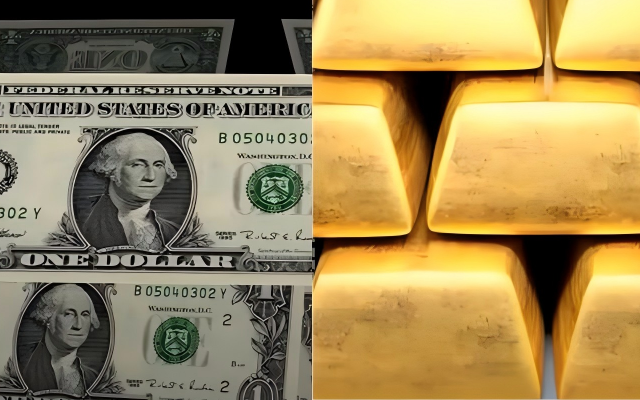
Energy risks first impact sentiment
Supply risks in the Middle East are escalating. Pipeline closures, shipping disruptions, and high diesel prices are directly driving up transportation and industrial costs. Traders' first reaction is that inflation won't fall quickly. This leads to buying energy stocks, buying safe-haven assets, and selling risky assets. However, sentiment is fragile; any rumors of diplomatic easing could cause oil prices to retreat. It's crucial to guard against fear of chasing highs and reversals in news.US Treasury yields suppress valuations
US Treasury yields surged, breaking through key psychological levels. Bond selling intensified. Rising yields supported the dollar, suppressing stocks and gold. Traders tend to confuse high yields with a strong economy, ignoring the lagged impact of high interest rates on demand and financial conditions. With the Fed meeting approaching, market sentiment shifted from skepticism to focus as markets bet on rate hikes. Overly optimistic expectations can amplify volatility.The two-way pull between foreign exchange and the US dollar
A stronger dollar puts pressure on the euro and yen. Rising energy import costs are even more detrimental to Europe and Japan. Traders tend to chase the dollar, but should be aware that when everyone is on the same side, a reversal can often be triggered by a single news item. Forex trading is not a linear process; interest rate differentials, energy balances, and safe-haven demand all play a role simultaneously.The interplay between gold as a safe haven and real interest rates
Gold is supported by high oil prices and inflation concerns, but suppressed by rising US Treasury yields. Traders are caught in a dilemma: they want to hedge against risk, but are also afraid of holding costs. This makes gold more prone to sharp rises and falls. At this point, it's not a matter of whether the judgment is correct, but whether the management can withstand the pressure.Feedback loop between crude oil and inflation expectations
High crude oil prices have fueled inflation expectations. Inflation expectations reinforce central bank tightening bets. Tightening bets have pushed up yields and the dollar. A strong dollar, in turn, could suppress oil prices. This feedback loop causes the market to swing back and forth. Traders who focus on only a single variable are easily proven wrong repeatedly. Pay attention to inventories, shipping, diplomatic signals, and central bank rhetoric, but don't let every headline dictate your decisions.PART 4: Trend Outlook
In the short term, sentiment is tight ahead of the Fed's decision. Energy and US Treasury bonds remain the dominant variables. Crude oil is fluctuating at high levels, gold is oscillating, the US dollar is strong, and the stock market is under pressure. If there is easing tensions in the Middle East or diplomatic progress, oil prices may pull back, giving risk assets a breather. If supply risks persist and inflation concerns intensify, US Treasury yields and the US dollar may remain strong, and gold will continue to oscillate between safe-haven appeal and interest rate suppression. In the long term, the recovery of energy infrastructure, inventory changes, winter natural gas, El Niño, and AI electricity demand will all affect the inflation path. If central banks are forced to maintain tightening, overvalued assets will face greater pressure. Traders should focus on risk budgets, leverage, liquidity, and their own sentiment, rather than fixating on a single direction.[Further Reading]
Q: Why do high oil prices affect US Treasuries first? A: Energy prices push up inflation expectations, the market worries that central banks will maintain tightening for longer, bonds are sold off, yields rise, and this in turn affects global valuations. Q: Is a stronger dollar necessarily bad for gold? A: Not necessarily. Safe-haven demand and inflation will support gold, but rising real interest rates will suppress it. The pull between these two factors creates volatility, and sentiment is more prone to fluctuations. Q: What psychological mistakes are traders most likely to make? A: Treating a headline as the whole truth, chasing highs and lows, ignoring position size and volatility tolerance, and ultimately being driven by emotions rather than logic. Q: How to interpret Middle East news? A: Look at whether there is a substantial disruption in supply, whether shipping has resumed, and whether diplomacy has eased. Don't just look at the headlines; also see if the news has been priced in by prices in advance. Q: What should be monitored in the long term? A: Inventory, winter natural gas, electricity demand, central bank rhetoric and inflation path, as well as your own risk budget and leverage level.- Risk Warning and Disclaimer
- The market involves risk, and trading may not be suitable for all investors. This article is for reference only and does not constitute personal investment advice, nor does it take into account certain users’ specific investment objectives, financial situation, or other needs. Any investment decisions made based on this information are at your own risk.