With interest rate hikes imminent, Warsh's determination to combat inflation clashes with pressure from the White House.
2026-09-16 21:50:11
The Federal Reserve will raise interest rates for the first time in nearly three years at 2 a.m. on Thursday. This move is seen as a key signal that the central bank is "seriously combating inflation," but it also further exacerbates the economic burden facing Republicans as the election approaches—from soaring oil prices and government borrowing costs reaching near two-decade highs to persistently weak consumer confidence, pressure is mounting from all sides. Fed Chairman Warsh and his colleagues are highly likely to raise the benchmark interest rate. While this move will help slow the pace of price increases, higher interest rates will further squeeze the already struggling housing market—mortgage rates are currently above 7%—and dampen consumer confidence, which is already hovering near historic lows. 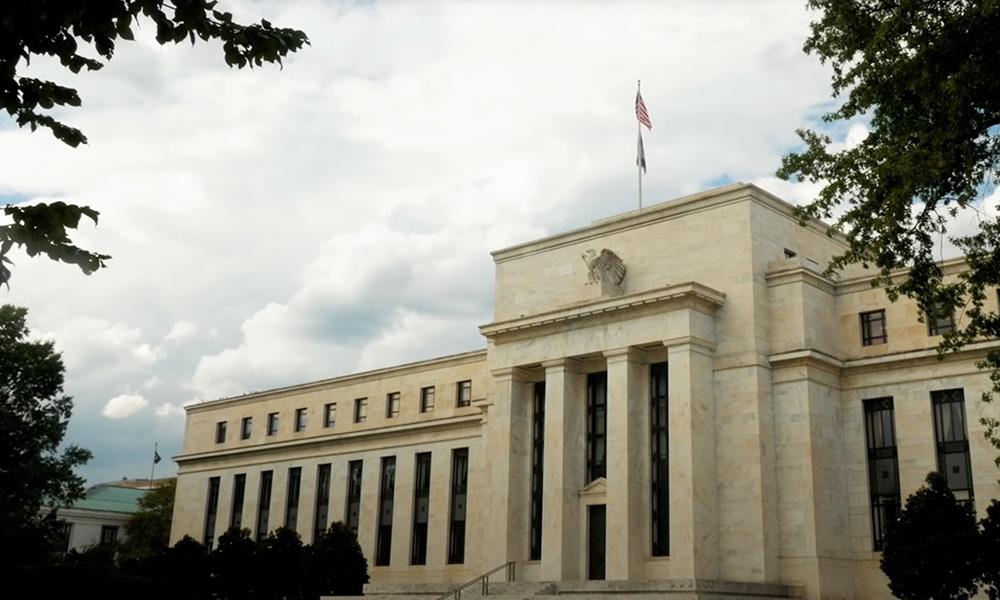
Lawmakers are committed to keeping the market closely watching for a "second interest rate hike."
Many Republican lawmakers have largely resigned themselves to the outcome of the rate hike. Representative Lucas of Oklahoma, chairman of the House Monetary Policy Task Force, bluntly stated, "There are some things I can't control, I can only accept." Investors' questions are not actually about "whether to raise rates or not," but rather "whether to raise rates again after raising them": the market has generally priced in the possibility of at least one more rate hike this year. If this happens, borrowing costs will return to levels near those at the beginning of Trump's presidency in 2025 and remain at multi-decade highs for an extended period.Deep Anxiety Under Economic Resilience
Despite higher interest rates and a series of policy shocks from Washington, the US economy has shown resilience, but pressure is accumulating from multiple directions: whether the artificial intelligence boom can continue, where trade policy will ultimately lead, and when the geopolitical conflicts that are driving up energy prices will end are all deep questions hanging over the economy.Walsh's awkward timing and the White House's softening
For Warsh, the timing of this move is particularly awkward. Trump nominated him to head the Fed at the beginning of the year, hoping he would push for interest rate cuts—Warsh had even hinted at the rationale for this path before the nomination. However, since taking office in January, the conflict between the US and Iran has further pushed up prices. Coupled with tariffs, booming AI infrastructure investment, and strong consumer spending, inflation has become increasingly distant. Warsh had already laid the groundwork for a potential interest rate hike last month. It is worth noting that since Warsh officially took over the Fed at the end of May, Trump's rhetoric towards the central bank has softened significantly, a stark contrast to his previous fierce attacks on former Chairman Powell—Trump had repeatedly threatened to replace Powell but never took action. White House senior official Hassett also stated on Tuesday that the Fed's decisions should be made independently.Independence test and scholars pouring cold water on it
Lucas pointed out that this move will test the Fed's independence, but some Republican lawmakers believe that combating inflation in the long term is more important than the perceptions of an election year. Montana Representative Downing said the data clearly points to a rate hike, "This will be a good sign from Warsh that he is indeed taking policy seriously"; he also acknowledged that raising rates before an election is always uncomfortable, but the data is tilting in that direction. Harvard University professor Furman, former chief economic advisor under President Obama, believes there is a "huge disconnect" between the political system's perception of the Fed's pre-election actions and their actual impact: "They think this is a major event that could turn the election around, but that's not the case. The impact of interest rates on employment and inflation has a long and variable lag, and the effects often take effect long after the election. This week's decision is crucial for the economy over the next year or two, but almost irrelevant for the next month or two." Michigan Representative Whizenga cited lessons from the pandemic: inflation had already picked up in April 2021, but the Fed didn't start raising rates until 2022, "The previous Fed reacted too late to the reality of interest rates." He predicted that Walsh would trust the data and fundamentals, pointing out that the current high fuel costs were a more worrying issue. Kentucky Representative Barr, who is running for senator, was the most outspoken: "I'm not worried, I trust Walsh."- Risk Warning and Disclaimer
- The market involves risk, and trading may not be suitable for all investors. This article is for reference only and does not constitute personal investment advice, nor does it take into account certain users’ specific investment objectives, financial situation, or other needs. Any investment decisions made based on this information are at your own risk.