The Federal Reserve resumes interest rate hikes! A 25 basis point increase is implemented; Warsh's debut press conference was the shortest ever, lasting only 30 minutes.
2026-09-17 08:00:10
On September 16 local time, the Federal Open Market Committee (FOMC) of the Federal Reserve raised the target range for the federal funds rate by 25 basis points to 3.75%-4%, while also raising the reserve requirement ratio to 3.9% and the discount rate to 4%. This is the Fed's first rate hike since July 2023 and the first major policy adjustment under the tenure of new Chairman Kevin Warsh. The resolution passed unanimously with 12 votes, demonstrating a high degree of consensus within the committee on this action. 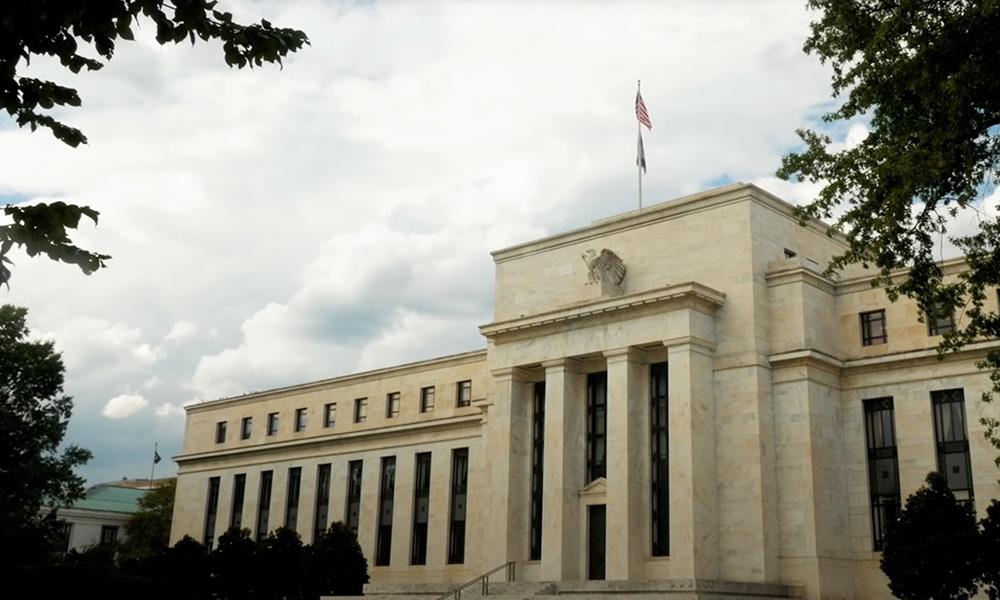
Policy Statement: The economy is expanding steadily, but inflation remains high.
In its statement, the Federal Reserve noted that economic activity is expanding at a solid pace. Despite uncertainties from factors such as geopolitics, domestic spending has remained resilient, productivity growth has been robust, and capital investment has been active. Job growth has been broadly in line with labor supply, and the unemployment rate has changed little. Inflation remains high, and this action will support a more timely return of inflation to the 2% target; the Committee is determined to achieve price stability.Dot plot: 16 people believe that at least one more interest rate hike is needed this year.
The latest dot plot shows that of the 18 policymakers who submitted forecasts, 16 believe at least one more rate hike is needed this year. Regarding the long-term interest rate path, 4 expect a cumulative 75 basis point hikes by 2026, 12 favor 50 basis points, and 2 believe only 25 basis points are needed. Warsh himself, as is customary, did not submit his personal interest rate forecast. Officials also raised their inflation expectations for 2025 and beyond, generally higher than previous forecasts.Walsh's communication style: The press conference lasted only 30 minutes, setting a new record for the shortest.
Warsh's routine press conference lasted only about 30 minutes, setting a record for the shortest since Federal Reserve chairs began holding regular press conferences in 2011. He consistently advocates for policymakers to speak less, focusing this week's meeting results and current economic assessments, explicitly refraining from predicting future actions. The Fed also adjusted the seating arrangement, moving from front-row seating for major newspapers and news agencies to alphabetical order by media name. AFP thus secured front-row seats, while the Wall Street Journal reporter was moved to the back. Warsh's previously established task force is studying communication mechanisms, encompassing various methods including press conferences, and the press conference system itself may face adjustments or even elimination in the future.Gulf countries follow suit: Central banks of most GCC member countries raise interest rates in unison.
Following the trend of pegging to the US dollar, most central banks of the Gulf Cooperation Council (GCC) member states quickly followed suit. Saudi Arabia raised its repurchase rate by 25 basis points to 4.50% and its reverse repurchase rate to 4.00%; the UAE raised its overnight deposit rate to 3.9%; the Central Bank of Oman raised its repurchase rate to 4.5%; and the central banks of Qatar and Bahrain also raised their benchmark rates by 25 basis points each. The Central Bank of Kuwait maintained its interest rate unchanged because the dinar is pegged to a basket of currencies, and emphasized that current data reflects the robustness and resilience of its monetary and financial stability.Editor's Summary
The Federal Reserve restarted interest rate hikes amid persistently high inflation, with the unanimous approval indicating strong internal consensus. The dot plot also suggests a further tightening trend. Warsh's extremely short press conferences and refusal to provide forward guidance reinforced his "less talk, more action" communication style, while his push for reforms to seating arrangements and working groups may reshape the Fed's external communication model. Gulf states, with their currencies generally pegged to each other, have followed suit, highlighting the spillover effects of dollar policy. Going forward, attention should be paid to whether inflation data will fall as expected, and the impact of the communication mechanism adjustments on market expectation management.Frequently Asked Questions
Q: What is the core reason for the Fed's rate hike this time? A: The Fed clearly stated that inflation remains high, economic activity is robust, and the job market is stable, providing room to prioritize addressing price pressures. The statement emphasized that this rate hike will push inflation back to the 2% target more promptly, and the Committee is determined to achieve price stability. The dot plot shows that most officials believe further action is needed this year, reflecting concerns about sticky inflation. Q: Why did Warsh's press conference set a record for shortest? A: Warsh has long advocated that policymakers should reduce external communication to avoid over-guiding market expectations. This press conference lasted about 30 minutes, focusing on the meeting's results and current economic assessment, explicitly not predicting future actions, and directly implementing his ideas. At the same time, the Fed adjusted seating arrangements and established a working group to evaluate communication mechanisms, including press conferences, showing a re-examination of the traditional press conference system. Q: What key information did the dot plot convey? A: Of the 18 officials who submitted forecasts, 16 believed that further rate hikes were needed this year, showing a strengthening hawkish bias. Regarding the long-term path, most officials expect a cumulative rate hike of 50 basis points. Warsh himself did not submit forecasts, continuing his practice of reducing personal forward guidance. Officials also raised their inflation expectations for subsequent years, indicating a cautious attitude towards the pace of inflation decline. Q: Why do Gulf central banks generally follow the Fed's rate hikes? A: Most Gulf currencies are pegged to the US dollar, and to maintain exchange rate stability and prevent capital flow risks, interest rate policies usually synchronize with the Fed. Saudi Arabia, the UAE, Oman, Qatar, and Bahrain all raised their relevant interest rates by 25 basis points. Kuwait maintained its dinar peg to a basket of currencies and emphasized the resilience of its monetary and financial stability. Q: What changes might occur in the Fed's communication mechanisms? A: Warsh's special task force is evaluating various communication methods, including press conferences. This shortest press conference, the alphabetical seating arrangement, and the refusal of forward guidance all indicate a push for a "less talk, more facts" style. The press conference system itself may face adjustments or even cancellation in the future, and the market needs to adapt to a new model with less direct guidance and more reliance on data and statements themselves.- Risk Warning and Disclaimer
- The market involves risk, and trading may not be suitable for all investors. This article is for reference only and does not constitute personal investment advice, nor does it take into account certain users’ specific investment objectives, financial situation, or other needs. Any investment decisions made based on this information are at your own risk.