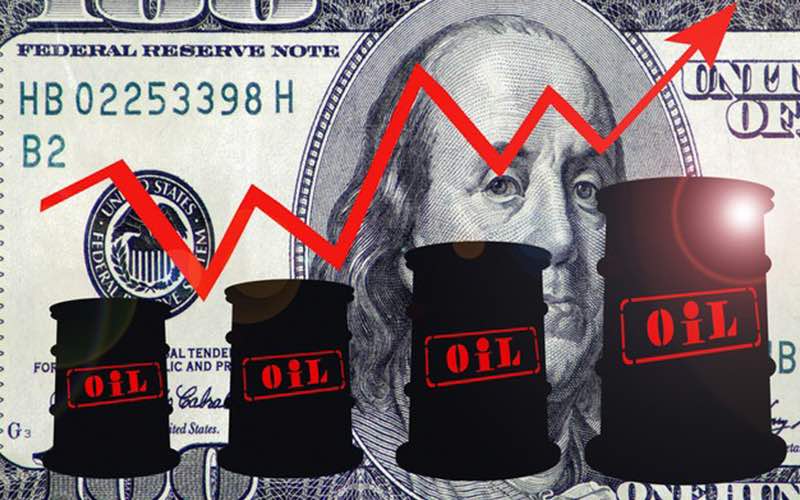
Tensions in the Middle East eased overnight, oil prices fell for the fourth consecutive day, and gold prices retreated from their highs: global funds are quietly shifting gears.
2026-09-21 20:44:11
On Monday (September 21), global market sentiment improved. Expectations of easing tensions in the Middle East rose, Saudi exports through the Strait of Hormuz resumed, and crude oil prices fell for the fourth consecutive day, with both Brent and WTI crude dropping by about 2%. Inflation concerns eased, US Treasury yields fell slightly, and European and American stock markets generally rose. Optimistic expectations surrounding the summit further boosted risk appetite, putting pressure on safe-haven assets like gold at high levels, resulting in a seesaw effect between energy and precious metals. 
Geopolitical premium recedes, crude oil falls for four consecutive days
Houthi attacks on Saudi facilities in Riyadh and Yanbu over the weekend initially disrupted supply expectations. However, Saudi exports via the Strait of Hormuz recovered rapidly, with daily exports returning to above 4 million barrels in September. Overall, Middle Eastern oil flows were stronger than expected, and geopolitical risk premiums partially subsided. Increased diplomatic dialogue between the US and Iran, along with the opening of the UN General Assembly window, reduced the probability of escalation. Crude oil prices fell for the fourth consecutive day, with both Brent and WTI dropping by approximately 2%.Inflationary pressures eased, and US Treasury yields fell.
The drop in oil prices directly weakened inflation expectations, easing restrictions on the bond market. The yield on 10-year US Treasury bonds fell slightly, while European government bonds performed better, as the market reassessed the path of "interest rates peaking after rate hikes." If oil prices continue to weaken, the room for further interest rate declines may be opened up, which is beneficial to duration assets and is the underlying logic behind the current rise in both stocks and bonds.The US dollar remained strong overall, while non-US currencies showed divergence.
Following the Federal Reserve's rate hike last week, the US dollar remained strong, the euro hovered around 1.15, and the yen weakened to near 157. Lower oil prices eased import inflation, providing some breathing room for policy action by the European Central Bank and the Bank of Japan. However, the stronger dollar exerts implicit pressure on emerging markets and dollar-denominated assets, and capital flows warrant continued monitoring.Demand for safe-haven assets cooled, putting pressure on gold prices at high levels.
Falling oil prices eased inflation concerns, but coupled with persistently high yields, this diminished the appeal of gold as a non-interest-bearing asset, causing gold prices to retreat slightly from their highs. While major overseas institutions lowered their long-term target prices, they remain bullish, driven by long-term allocation demand arising from central bank de-dollarization efforts. Short-term pullbacks do not alter the medium-term investment value.Stock market sentiment has improved and risk appetite has returned.
Falling oil prices coupled with optimistic expectations surrounding the summit led to a general rise in risk assets. Asian markets saw gains led by the technology sector, European stock indices climbed nearly 1%, and US stock futures rose, with the Nasdaq leading the gains. Negotiation sentiment has become the dominant force in the market, with funds shifting from safe-haven to aggressive investment.Trend Outlook
In the short term, easing geopolitical tensions and US-China dialogue provide support for the market, and the pattern of rising stocks and bonds while oil prices remain weak may continue. However, risks have not disappeared: tensions remain in the Hormuz and Red Sea shipping zones; diesel prices face upward pressure due to damage to Russian refineries and tightening supply in the Middle East; and European natural gas and electricity prices remain high, making the path to inflation less than smooth. In the medium to long term, Latin America is becoming a new oil export hub, with increased production in Venezuela and exploration progress in Brazil and Guyana providing additional global supply. Meanwhile, rising expectations of a "super El Niño" could disrupt commodities such as agricultural products and copper. Coupled with energy and geopolitical variables, inflation and commodity volatility may further amplify in the fourth quarter and into next year. Investors should maintain a degree of caution regarding rising volatility amid optimism.[Further Reading]
Q: Why did oil prices fall instead of rise amid geopolitical conflicts? A: Saudi exports via the Strait of Hormuz have recovered rapidly, Middle Eastern oil flows are stronger than expected, geopolitical premiums have partially subsided, and supply concerns have eased. Q: What does the decline in US Treasury yields mean? A: It reflects easing inflation expectations. Lower yields are beneficial to risk assets such as bonds and stocks, and also alleviate the pressure of high interest rates on the real economy. Q: What impact will a stronger dollar have? A: A stronger dollar reduces the attractiveness of dollar-denominated assets, puts pressure on capital flows to emerging markets, and simultaneously alleviates import inflation in the US. Q: Why did gold prices fall from their highs? A: Falling oil prices eased inflation concerns, while high yields weakened the attractiveness of non-interest-bearing assets. However, the long-term allocation demand for de-dollarization by central banks still provides support. Q: Can the recovery in risk appetite be sustained? A: It depends on the progress of the summit and the evolution of the geopolitical situation. If negotiations are successful and shipping risks are controlled, optimism is expected to continue; otherwise, volatility will return.- Risk Warning and Disclaimer
- The market involves risk, and trading may not be suitable for all investors. This article is for reference only and does not constitute personal investment advice, nor does it take into account certain users’ specific investment objectives, financial situation, or other needs. Any investment decisions made based on this information are at your own risk.