Not just crude oil! Fed's Mossalaam extends commodity shocks to copper, further interest rate hikes still needed.
2026-09-22 10:46:12
St. Louis Federal Reserve President Alberto Musalem said in an interview on Monday (September 21) that the Fed may still need to raise interest rates further to control inflation, and warned that without additional policy constraints, the likelihood of inflation remaining significantly above the 2% target in 18 months is greater than the likelihood of it falling back to the target. He described the current policy rate of 3.75% to 4.00% as "still too accommodative," suggesting that the current setting may still be stimulating rather than inhibiting the economy. These remarks, made just days after this month's rate hike, further reinforce the hawkish tone within the Fed. 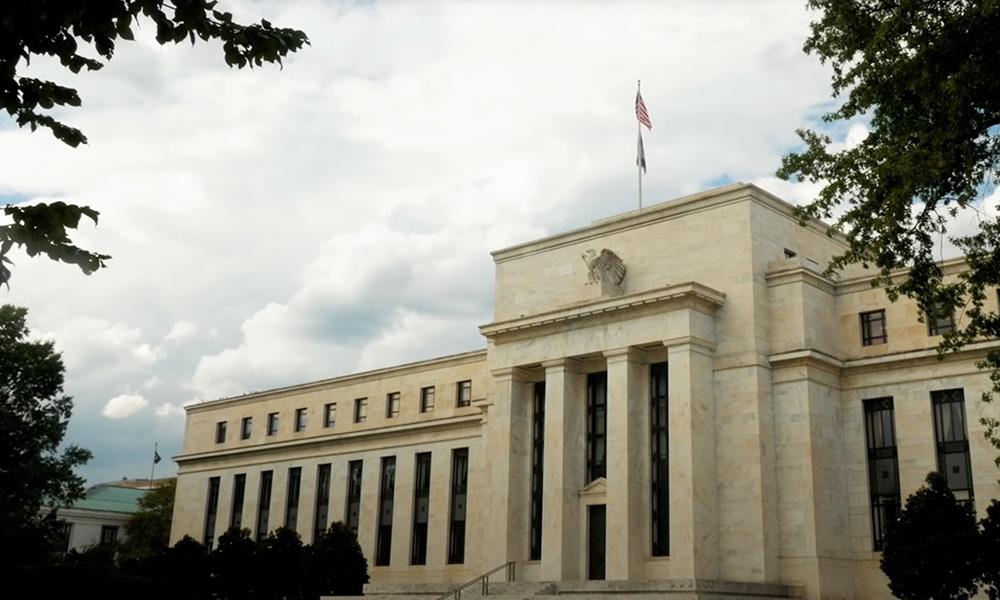
Policy interest rates remain relatively loose, and there is still room for interest rate hikes.
Musalaim explicitly described the policy rate range of 3.75% to 4.00%, following this month's 25 basis point rate hike, as still "on the accommodative side," implying that the current setting may still be providing additional stimulus to the economy rather than truly imposing constraints. He pointed out that consumption and investment are continuing to grow at a healthy and robust pace, domestic demand momentum remains solid, while inflation risks are rising due to a variety of factors such as geopolitical tensions and supply chain disruptions. This assessment suggests that there is still considerable room for rate hikes before policy truly turns restrictive. He further stated that without further policy constraints, there is a greater likelihood that inflation will remain significantly above the 2% target in 18 months, and the central bank needs to continue adjusting its stance to prevent high inflation from becoming entrenched.Inflationary pressures are widespread, and commodity shocks have expanded from crude oil to base metals.
Musallem broadened the narrative of recent inflation, extending the current commodity shock from crude oil to base metals like copper, significantly expanding the scope of the narrative dominated by the Middle East energy shock. He emphasized that even after fully excluding supply-related factors, underlying inflation remains excessively high, around 3%. Business contacts told him they are planning to raise prices to near that level to address cost pressures. Business reports indicate significant increases in non-labor input costs such as fuel, other raw materials, transportation, insurance, and skilled labor. He explicitly stated that there is ample evidence that inflation remains the primary problem facing the U.S. economy, and policy must respond to it sustainably.The labor market is not the source of inflation.
Musalem stated that the labor market is currently stable near full employment, with wage growth largely in line with labor supply and demand, and not significantly contributing to inflationary pressures. He clearly distinguished the current situation from previous wage-driven inflation dynamics. This assessment implies that inflationary pressures primarily stem from persistently strong demand and recurring supply-side shocks, rather than being driven by labor costs. Therefore, monetary policy needs to address both overheating on the demand side and recurring supply-side disturbances simultaneously, avoiding simply attributing the problem to the labor market.Preference for the pace of interest rate hikes: earlier and smaller, less later and larger.
Regarding the pace of further tightening, Musalaim explicitly stated his preference for "earlier, incremental" rate hikes rather than waiting for "later, larger-scale" actions. He believes that taking smaller, earlier policy adjustments may cause less economic disruption than a concentrated, delayed rate hike, helping to smooth the impact on growth and employment. These remarks came after the Federal Reserve unanimously decided last week to raise its benchmark interest rate by 25 basis points, the first rate hike in over three years. Federal Reserve Chairman Kevin Warsh called this move "removing some degree of policy easing," echoing Musalaim's assessment.Market pricing and political timelines
Investors currently anticipate three 25-basis-point rate hikes at the five Federal Reserve meetings between now and April next year, with a roughly 50% probability of a rate hike at the October meeting. Notably, the October meeting falls just before the US midterm elections, making the interplay between monetary policy and the political agenda a key focus for the market. Furthermore, some institutions believe the market is underestimating the overall scale of the global rate hike cycle, a view echoed by Musalaim's remarks, further reinforcing the market's repricing of the subsequent tightening path.Editor's Summary
Musalaim's remarks clearly conveyed the Federal Reserve's high level of vigilance regarding persistent inflation, emphasizing that current interest rate levels have not yet provided sufficient constraint and indicating a preference for continued tightening through an earlier, gradual approach. Inflation is simultaneously driven by strong demand and an expanding goods shock, while the labor market has not been a primary driver. This stance aligns with recent Fed rate hikes and comments from some officials, suggesting that the policy path remains biased towards further tightening, and market pricing in the pace of subsequent rate hikes and the final interest rate may continue to adjust.Frequently Asked Questions
Q: Why does Musalaim believe current interest rates are still too loose? A: He judges that the 3.75%-4.00% range is not high enough to restrict economic activity; consumption and investment remain healthy and strong, so policy is likely to continue to provide stimulus rather than suppression. Q: What specific sources of inflationary pressure are there? A: In addition to crude oil, the impact has extended to base metals such as copper; even excluding supply factors, underlying inflation is still around 3%. Businesses plan to raise prices close to this level, and costs for fuel, raw materials, and transportation are rising across the board. Q: What impact does the labor market have on inflation? A: Currently, the labor market is stable near full employment, wages are in line with supply and demand, and it is not the main source of inflation. The pressure comes more from strong demand and supply shocks than from labor cost-push inflation. Q: Why the preference for an "earlier, smaller" pace of interest rate hikes? A: Earlier incremental interest rate hikes have less impact on the economy than delayed large adjustments, helping to smooth the impact on growth and employment, while allowing time for policy transmission. Q: How is the market currently pricing in subsequent interest rate hikes? A: Investors expect three 25-basis-point rate hikes in the five meetings before April next year, with about a 50% probability in October. The October meeting is close to the midterm elections, and policy and political factors are intertwined, drawing attention.- Risk Warning and Disclaimer
- The market involves risk, and trading may not be suitable for all investors. This article is for reference only and does not constitute personal investment advice, nor does it take into account certain users’ specific investment objectives, financial situation, or other needs. Any investment decisions made based on this information are at your own risk.