The global ban on Iranian airlines has had a limited impact on crude oil supplies, but the signal of escalating sanctions cannot be ignored.
2026-09-22 11:22:14
U.S. Treasury Secretary Scott Bessent said in a media interview on Monday (September 21) that all Iranian airlines will be shut down globally starting September 23. The U.S. will use secondary sanctions to target any airports, fuel suppliers, or ticketing companies that provide fuel, landing, and ticketing services to Iranian airlines, threatening to cut them out of the dollar financial system. This move marks a further escalation of the Trump administration's sanctions against Tehran. 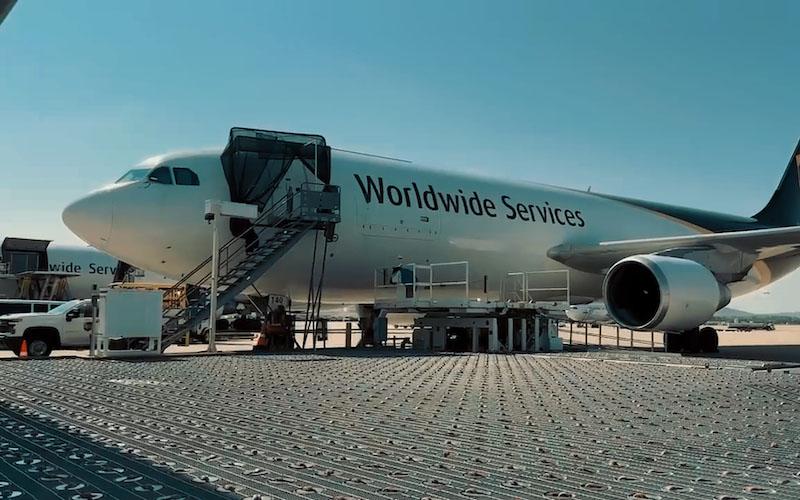
Sanctions: Secondary sanctions cut off aviation service infrastructure
Bessant made it clear that any airport, fuel supplier, or ticketing company providing services to Iran Air after its flights land would risk being cut off from the U.S. dollar financial system. This effectively threatens to isolate Iran Air from the infrastructure essential for international operations through secondary sanctions, making it difficult for them to maintain a normal cross-border flight network. This move follows the U.S. Treasury Department's sanctions earlier this month against all 27 remaining Iranian airlines, further filling gaps in previous sanctions coverage of the Iranian aviation industry. Bessant characterized the latest move as a clear warning to anyone still doing business with the remaining Iranian airlines, emphasizing that these entities now face the direct risk of being excluded from the global financial system, significantly increasing the cost and uncertainty of continued cooperation.Türkiye was the first to respond, and the secondary compliance effect became apparent.
In an early response, Turkey announced it would no longer allow Iranian aircraft to land at its airports. This move swiftly demonstrated the secondary compliance effect that sanctions are designed to force. Iran's aviation industry has struggled for years under sanctions, facing severe restrictions on access to aircraft, spare parts, and maintenance services, resulting in a significant decline in operational capacity. Prior to Bessant's announcement, a major Iranian airline had already voluntarily suspended flights to Oman and Turkey. Turkey's swift follow-up demonstrates that the deterrent effect of secondary sanctions is becoming tangible, and other countries or aviation-related companies may face similar choices: either strictly comply with US requirements and cease providing services to Iranian airlines, or risk being excluded from the dollar settlement system, thereby impacting their own international operations. This chain reaction could further restrict the international reach of Iranian airlines.Impact on the oil market: Limited direct supply shock, but clear signal of escalating sanctions.
Regarding crude oil, the sanctions on airlines are unlikely to have a direct supply impact, as Iran's aviation industry is not a critical link in the oil supply chain. However, these measures mark a continued escalation of the sanctions regime, which traders may interpret as a reduced likelihood of near-term de-escalation and a diminishing prospect of a war premium. More broadly, since the conflict erupted in late February, Iran has responded to the initial blows by disrupting the Strait of Hormuz—a crucial oil shipping route—and crude oil prices have risen sharply as the conflict has spread throughout the Middle East. Bessant previously described the US economic pressure campaign as a "Normandy landing" for Iran, indicating that the US government continues to combine military and financial pressure on Tehran. Bessant stated that he cannot predict when the broader US-Iran conflict that has persisted since late February will end.Summarize
The US global shutdown of Iranian airlines is the latest step in the Trump administration's escalation of economic pressure on Tehran. The deterrent effect of secondary sanctions has already prompted Turkey to halt accepting Iranian aircraft, and other countries and service providers may face similar compliance pressures. For the oil market, while aviation sanctions themselves do not constitute a direct supply shock, the signal of continued escalation of sanctions may suppress market expectations of a recent de-escalation, thus providing some support for oil prices. Going forward, attention should be paid to the actual enforcement of sanctions, the follow-up actions of other countries, and whether the US-China summit reaches a deeper consensus on the Iranian issue. At 11:20 Beijing time, Brent crude oil was trading at $101.33 per barrel.- Risk Warning and Disclaimer
- The market involves risk, and trading may not be suitable for all investors. This article is for reference only and does not constitute personal investment advice, nor does it take into account certain users’ specific investment objectives, financial situation, or other needs. Any investment decisions made based on this information are at your own risk.