Hormuz crude oil production has recovered to 76% of pre-war levels, with diesel shortages becoming the core contradiction in the oil market.
2026-10-06 10:42:18
Crude oil shipments through the Strait of Hormuz are resuming, but the wrong type of cargo is being transported – the global diesel shortage will not end until damaged refineries in the Gulf region are back in operation. 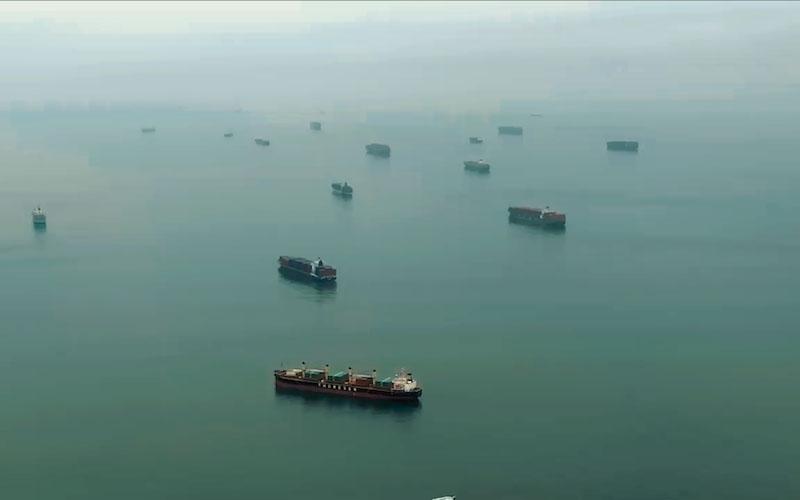
I. Crude oil flow recovered to 76%, but the proportion of refined oil products decreased significantly.
Kpler data shows that in the week ending last Saturday, crude oil traffic through the Strait of Hormuz averaged approximately 10.3 million barrels per day, about 76% of the pre-war baseline. Refined petroleum product shipments were only about 1.3 million barrels per day, accounting for about 11% of the total traffic, compared to over 20% before the war. This divergence is key to understanding the current oil market – crude oil is recovering, but the world's real shortage of refined petroleum products, especially diesel, has not followed suit.Diesel shortage continues due to refinery damage and export restrictions in Asia.
The diesel shortage stems from two main factors: damage to refineries in the Gulf region and export restrictions imposed by major Asian refining nations. Refineries in Saudi Arabia, Kuwait, the UAE, and Iraq remain shut down following missile attacks and other conflict-related disruptions. Meanwhile, major refiners in Japan and South Korea are keeping most of their fuel production domestically in the United States rather than exporting it. This makes the U.S. one of the few major suppliers of refined petroleum products in the global tight market. U.S. diesel prices hit a record high of around $6.50 per gallon last month, with California prices climbing to around $8.40. Analysts believe that even if current crude oil flows are maintained, a full recovery will not occur until after 2027, as repairing oil fields and refineries and replenishing hundreds of millions of barrels of lost inventory will take time.III. G7 Reserve Releases and Tanker Escorts: Policy Responses and Structural Bottlenecks
The Trump administration has been pressuring allies. The G7 economies agreed last Friday to release 100 million barrels of crude oil and fuel from their emergency reserves, but did not restrict exports of diesel and other products. U.S. oil executives urged the Navy to prioritize escorting diesel-carrying tankers, rather than the previously primary focus on protecting supertankers (VLCCs). These VLCCs, each carrying approximately 2 million barrels, are roughly twice the capacity of the largest fuel tankers. This call reflects market concerns about the security of refined product transportation—the diesel shortage is more pressing than the crude oil surplus.IV. Saudi exports doubled, but Iranian attacks pose a key upside risk.
Saudi crude oil exports also rebounded sharply, reaching approximately 7 million barrels per day in September, double the level in August, as the country loaded cargoes from both the Gulf and the Red Sea. Analysts said the surge may reflect increased confidence in shipping safety or an attempt to maximize sales before any new round of escalation. However, risks remain, as Iran has launched a new round of attacks on ships near the Strait of Hormuz in recent days, which could slow the recovery of transport, although data shows that tankers are still passing through at high volumes.Market Implications: Crude oil prices may decline, while diesel prices will remain high.
The divergence between the recovery in crude oil flows and the scarcity of refined products points to a market where crude oil prices may fall while diesel prices remain high, keeping refining margins and diesel crack spreads high. This benefits refiners with available capacity, especially U.S. refiners, while putting pressure on governments facing fuel-driven inflation. Increased Saudi exports have supplemented crude oil supply, but their impact on alleviating refined product shortages is limited until Asian refiners increase fuel exports. The latest Iranian attacks on shipping are a key upside risk for both crude oil and diesel, while low inventory levels mean there is little room to absorb another disruption.Editor's Summary
Crude oil flows through the Strait of Hormuz have recovered to approximately 76% of pre-war levels, but refined product shipments account for only about 11%, far below pre-war levels, exposing structural shortages caused by damaged refining capacity and restrictions on Asian exports. High diesel prices mean a full supply recovery may not occur until after 2027. G7 reserve releases and escort measures provide a short-term buffer, and a rebound in Saudi exports has supplemented crude oil supply, but the risk of an Iranian attack remains. Crude oil and diesel price trends may diverge, supporting refining margins while inflationary pressures persist. Market focus will shift to refinery recovery progress and geopolitical developments.Frequently Asked Questions
Q: Why is the diesel shortage continuing despite the recovery in crude oil flow? A: Crude oil transportation is gradually recovering through alternative routes and transshipment, but Gulf refineries are shut down due to damage from the attacks. Major Asian refiners are prioritizing domestic supply, leading to insufficient exports of refined products, especially diesel, and supply cannot keep pace. Q: What are the current flow data for the Strait of Hormuz? A: Kpler data shows that crude oil flow in the past week was approximately 10.3 million barrels per day, reaching 76% of pre-war levels; refined product flow was only about 1.3 million barrels per day, accounting for about 11%, far below the pre-war level of over 20%, highlighting the imbalance in the product mix. Q: What is the current price level of diesel in the United States? A: Last month, it reached a record high of about $6.50 per gallon, and the recent national average price remains above $6.30, with even higher prices in California. The high price reflects the global shortage of refined products, with the United States becoming one of the few major supply sources. Q: Can the G7's release of reserves and escort measures solve the shortage? A: The G7 agreed to release 100 million barrels of crude oil and fuel, prioritizing diesel, which can alleviate pressure in the short term; escorting refined oil tankers improves transportation safety. However, refining capacity recovery will take time, and structural bottlenecks are difficult to eliminate quickly. Q: What impact will the market have on crude oil and diesel prices respectively? A: The recovery in crude oil flow may suppress crude oil prices, while the continued shortage of diesel will support its high level, widening the crack spread, which is beneficial to refiners with capacity, while also increasing fuel inflation pressure. The Iranian attack remains a shared upside risk.- Risk Warning and Disclaimer
- The market involves risk, and trading may not be suitable for all investors. This article is for reference only and does not constitute personal investment advice, nor does it take into account certain users’ specific investment objectives, financial situation, or other needs. Any investment decisions made based on this information are at your own risk.