The Federal Reserve meeting minutes are about to be released, but will they really shake up the market?
2026-10-07 15:54:21
The minutes of Federal Open Market Committee (FOMC) meetings are detailed records of discussions among Federal Reserve officials at monetary policy meetings, providing additional insights into how policymakers view the economy, inflation, employment, and the appropriate path for interest rates. However, despite containing a wealth of information, FOMC minutes rarely become market-moving reports. 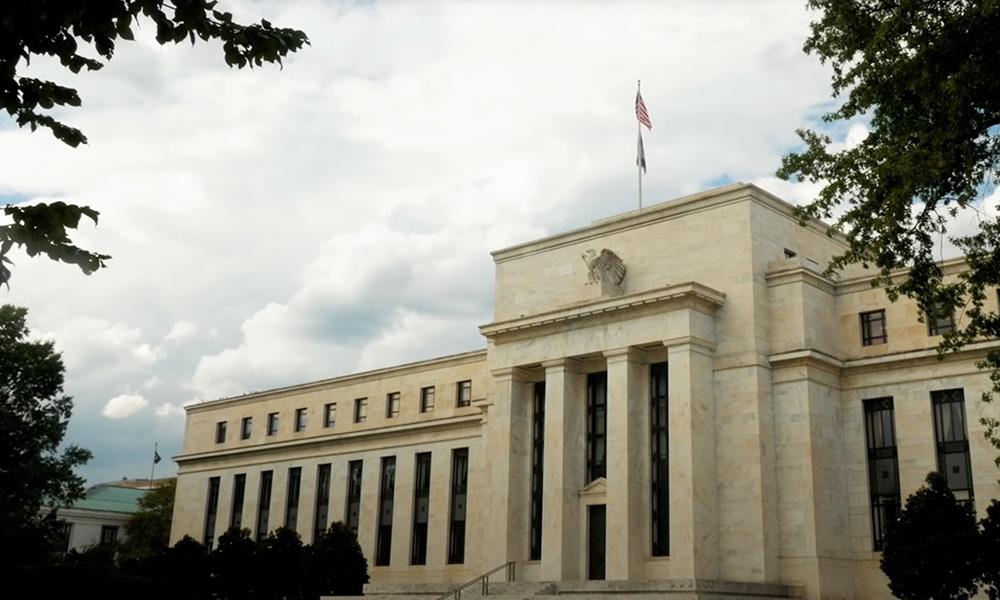
Why do market minutes rarely shake up the market? Because they're already old news by the time they're released.
FOMC meeting minutes are released approximately three weeks after the interest rate decision. Taking the September meeting as an example, the market immediately knew the policy decision and statement; the Fed Chair explained the committee's thinking at the press conference; and other Fed officials provided their views in speeches and interviews over the following weeks. The minutes of that meeting, however, might not be released until early October—a lot can happen in three weeks. Economic data could substantially change the outlook for inflation or the labor market. Oil prices could fluctuate dramatically due to geopolitical developments. Financial conditions could tighten or loosen. The market could significantly repric the path of interest rate expectations. Fed officials themselves might also change the way they communicate the policy outlook. The minutes tell us what the Fed was thinking weeks ago, while the market continues to try to price in what the Fed will do next.Current Case: Williams and Jefferson's recent statements are more relevant than the minutes.
The current situation is a good example. Recently, Federal Reserve officials Williams and Jefferson refuted market expectations of an October rate hike. As a result, market pricing has shifted significantly, with the probability of an October rate hike now around 21%. For the market to price in a higher probability of an October rate hike—for example, 50% or more—it would likely require significant changes in economic data or the macro/geopolitical landscape. A key catalyst would be the hot CPI report, given the importance of inflation to the Fed's response function. This illustrates why the minutes are less important in the current environment. The minutes reflect the discussions that took place at the last FOMC meeting. But since then, traders have gained new information from Fed officials and the economy. Williams and Jefferson provided more recent guidance, while upcoming inflation data could still alter the policy outlook.The market is forward-looking: it prices the future, not the past.
Markets continuously price and repric future expectations based on a series of released information. This is what drives asset prices. Markets are forward-looking. They don't care what the Fed thought three weeks ago, because it priced those expectations in weeks ago. What they care about is what the Fed might do at its next meeting and beyond. The most useful information is often what can change expectations about the future path of monetary policy. This is why traders should pay close attention to three things between FOMC meetings: first, Fed communications —speech, interviews, and public comments from voting and influential Fed officials can provide a far more timely picture of the Fed's thinking; second, economic data —inflation, employment, wages, economic activity, and financial conditions all affect the Fed's response function; and third, macroeconomic and geopolitical developments —Fed officials regularly explain which risks they are monitoring, and if these risks materialize, the implications of monetary policy may change, even if previous FOMC minutes show no change. This is especially important when geopolitical developments affect energy prices and inflation.The residual value of the minutes: distribution of viewpoints, disagreements, and discussion of risks
This doesn't mean FOMC minutes are entirely useless. They can still provide information about the distribution of views within the Fed. They can reveal disagreements among policymakers, show which economic risks are being discussed, and provide additional details not included in policy statements or press conferences. The problem with the minutes is that their marginal informational value is generally low. By the time they are released, most of the information has already been conveyed through subsequent Fed speeches and the release of economic data. Therefore, the minutes should generally be considered background information rather than new catalysts.How should traders use minutes?
Traders should view the minutes as a tool for understanding the context of internal discussions within the Federal Reserve, rather than a trading catalyst. In the current environment, recent statements by Williams and Jefferson, upcoming CPI data, and oil price and geopolitical developments are more indicative of market pricing in Fed policy than the September meeting minutes. The minutes can provide additional details about the distribution of views and disagreements within the committee, but should not be used to infer future policy paths, as new information and official statements since the meeting have already altered the pricing basis for the policy outlook.Summarize
FOMC meeting minutes are detailed records of discussions among Federal Reserve officials, but they rarely shake the market because they are released about three weeks after the interest rate decision, by which time the content is already old news. Traders have more up-to-date information through speeches, interviews, and economic data from Fed officials. In the current case, recent statements by Williams and Jefferson have reduced the probability of an October rate hike to about 21%, which reflects the Fed's current thinking better than the September minutes. Markets are forward-looking, pricing in what the Fed will do next, not what it thought weeks ago. The remaining value of the minutes lies in revealing the distribution of views and disagreements within the committee, but their marginal informational value is usually low. Traders should focus more on Fed communication, economic data, and macroeconomic and geopolitical developments, viewing the minutes as background information rather than trading catalysts.- Risk Warning and Disclaimer
- The market involves risk, and trading may not be suitable for all investors. This article is for reference only and does not constitute personal investment advice, nor does it take into account certain users’ specific investment objectives, financial situation, or other needs. Any investment decisions made based on this information are at your own risk.