The euro weakens alone; how long can the dollar remain strong? A complete overview of G10 forex trends.
2026-10-12 20:26:17
On Monday (October 12), the US dollar remained strong, supported by the Federal Reserve's hawkish stance and high yields, while the French budget crisis caused the euro to weaken independently, becoming the main theme of the G10 foreign exchange market. The Japanese yen entered a period of revaluation pause around 158, the British pound was supported by expectations of central bank interest rate hikes, commodity currencies were generally under pressure, but the New Zealand dollar was undervalued.  ING's latest G10 FX outlook indicates that the market is repricing two main themes: first, robust US economic data and high inflation, making it difficult to quell expectations of Fed tightening; and second, independent drags on the euro from French fiscal and electoral risks. These two factors combined are supporting the US dollar, leading to divergent trends against the dollar for the euro, yen, Swiss franc, Swedish krona, and Norwegian krone. For traders, the current issue is not simply the strength of the dollar, but rather the strength of each currency's own narrative. This article translates institutional views into language most relevant to traders, outlining sentiment, risks, and key concerns.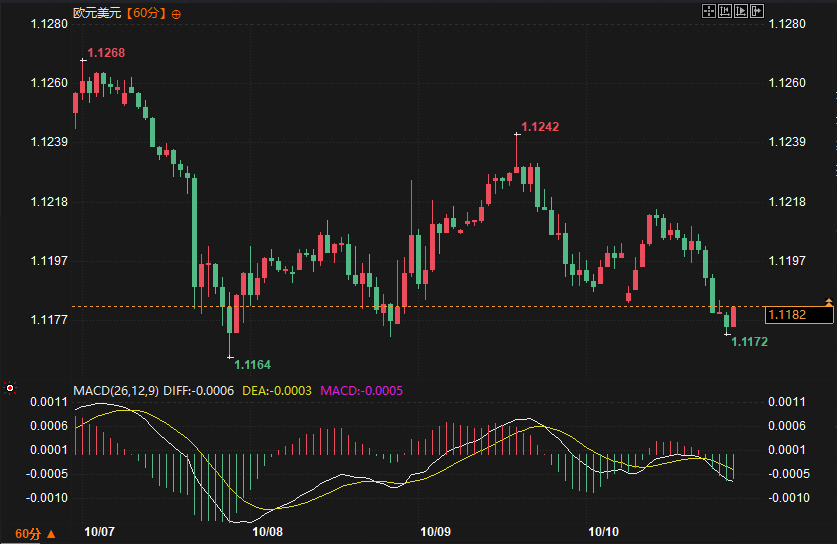
ING's latest G10 FX outlook indicates that the market is repricing two main themes: first, robust US economic data and high inflation, making it difficult to quell expectations of Fed tightening; and second, independent drags on the euro from French fiscal and electoral risks. These two factors combined are supporting the US dollar, leading to divergent trends against the dollar for the euro, yen, Swiss franc, Swedish krona, and Norwegian krone. For traders, the current issue is not simply the strength of the dollar, but rather the strength of each currency's own narrative. This article translates institutional views into language most relevant to traders, outlining sentiment, risks, and key concerns.Core Analysis
Euro: French fiscal risks become an independent source of pressure
Analysts believe that France's government debt problem is more like a repeat of the 2018 Italian debt crisis than a 2012 Greek default. The spread between French and German bond yields may widen before the end of the year, but moderate fiscal consolidation should prevent a more severe sell-off in French debt and the euro. The euro is expected to trade weakly against the dollar in the 1.10-1.15 range, with upside risks mainly stemming from uncertainty surrounding White House policies following the November midterm elections. For traders, the current euro weakness is not simply due to a stronger dollar, but rather to its own fiscal narrative, a distinction that determines the relative performance of euro cross-currency pairs.Japanese Yen and British Pound: One Pauses, the Other Brewing an Interest Rate Hike
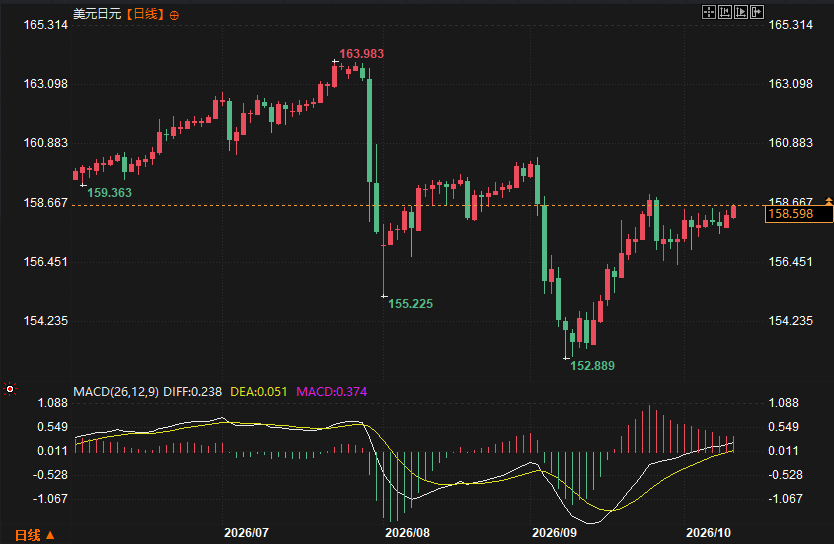
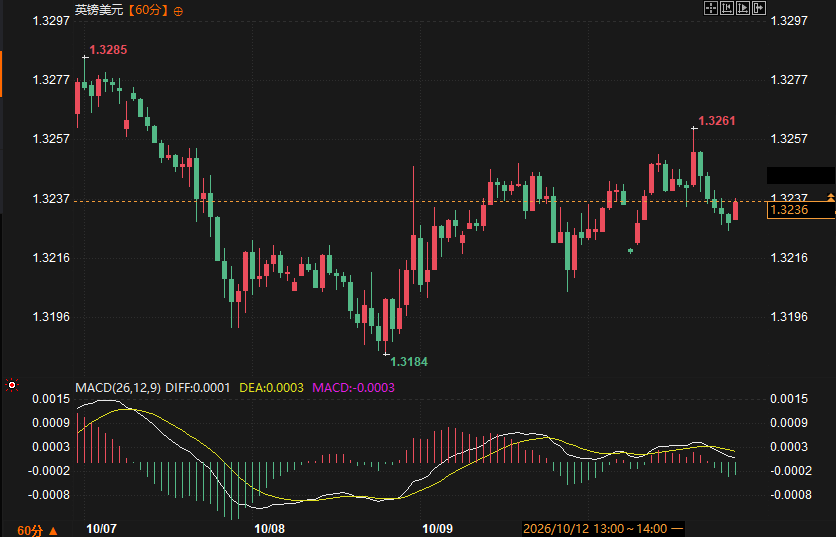
Regarding the Japanese yen, the USD/JPY pair surged to around 158 in September, with the market recognizing that both Japan and the US are uncomfortable with levels above 160. However, a return to 150 would require a less hawkish stance from the Federal Reserve and a significant increase in the Japanese policy rate, which may not occur until the second quarter of 2027. The Bank of Japan's next rate hike is likely to occur in January or December 18th next year. October 30th is a crucial date; if the Bank of Japan does not raise rates and there is no news of government pension funds reallocating Japanese assets, the yen may come under pressure. As for the British pound, high energy prices increase the likelihood of a Bank of England rate hike on November 5th. If this occurs, another hike may occur in February next year, raising the policy rate to 4.25%. Inflation approaching 4% is a core concern for the central bank. The UK budget on October 28th poses an event risk. If the funding sources for cost-of-living support measures are clear, it should prevent a sell-off in the UK government bond market, which is positive for the pound.European cross rates: Swiss franc gains new allies, Nordic currencies diverge.
The euro/Swiss franc pair appears to have peaked around 0.95 in September. The French debt crisis has reversed the two major drivers of the Swiss franc's previous weakness. The pair is expected to fluctuate between 0.92 and 0.94 this year. If French risks escalate, the Swiss National Bank may buy euro/Swiss francs in the 0.90-0.91 range. The euro/Swedish krone pair has retreated from its highs. The Swedish krona is cheap against its short-term fair value, but strong oil prices and a fragile bond market may limit any rebound. Institutions expect the Swedish central bank to raise rates by 25 basis points in November and maintain a hawkish stance, remaining bearish on the euro/Swedish krone pair. Regarding the euro/Norwegian krone pair, the baseline scenario is that the Norwegian central bank will not raise rates again until 2026. However, the risk is skewed towards a further 25 basis point rate hike in December or the first quarter of 2027. The Norwegian krone's fundamentals remain supported, with the main risks related to a rapid de-escalation of tensions in the Gulf and a sharp drop in oil prices.Commodity currencies: Canadian dollar, Australian dollar, and New Zealand dollar each have their own concerns.
Institutions expect the Bank of Canada to raise interest rates in December, but this alone is insufficient to depress the USD/CAD exchange rate. A return to 1.40 would require a dovish shift in Federal Reserve expectations and improved global risk conditions, which is unlikely to be achieved this year. US-Canada trade tensions represent a downside risk that has not been adequately considered. The Australian dollar did not perform the worst during the September US dollar rally. The Reserve Bank of Australia's previous rate hike provided some protection. Institutions predict a more realistic AUD/USD exchange rate of 0.70 to 0.71 by the end of the year, with further appreciation potential in 2027. The New Zealand dollar has significantly underperformed recently, but it is clearly undervalued relative to its short-term fair value. If global risk sentiment improves, the New Zealand dollar may outperform. A December rate hike by the Reserve Bank of New Zealand is highly probable, although an October hike cannot be completely ruled out.Trend Outlook
In the short term, the US dollar is supported by the Fed's hawkish stance and high yields, while the euro is suppressed by French fiscal risks. The euro/dollar exchange rate is likely to remain weak within the 1.10-1.15 range, with the euro/pound and euro/Swiss franc crosses also showing weakness. The yen is in a wait-and-see phase around 158, with the Bank of Japan meeting on October 30th and government pension fund policy moves being key. The pound is influenced by both interest rate hike expectations and the budget bill, showing strength but increased volatility. In the medium term, if French fiscal risks are manageable and US policy shifts towards trade or foreign policy after the midterm elections, the dollar's strength may ease, and the euro, Australian dollar, and New Zealand dollar may have room for recovery in 2027. Traders should pay close attention to the spread between French and German government bond yields, US inflation data, the pace of major central bank meetings, and the impact of the Middle East situation on oil prices.[Further Reading]
Q: Why can French fiscal risks independently depress the euro? A: The French government debt problem weakens market confidence in the Eurozone's second-largest economy. The spread between French and German bond yields has widened, leading to capital flows to the US dollar and Swiss franc, thus putting pressure on the euro. This pressure is unrelated to the strength of the US dollar itself. Q: What conditions are needed for the yen to return to 150? A: The Federal Reserve needs to be less hawkish, and Japan's policy rate needs to be significantly raised. Institutions believe this may not happen until the second quarter of 2027; in the short term, the yen is more likely to fluctuate around 158. Q: Why is the expectation of a pound rate hike favored? A: High energy prices have pushed UK inflation close to 4%. Research by the Bank of England shows that this level has a stronger second-growth effect. The market expects a rate hike on November 5th, and possibly another in February next year, thus giving the pound high-yield currency status. Q: Why is the New Zealand dollar considered cheap? A: The New Zealand dollar has recently underperformed significantly and is clearly undervalued relative to its short-term fair value. If global risk sentiment improves, the New Zealand dollar may outperform, but the fundamentals still need to be observed. Q: What are the main risks of commodity currencies? A: The Canadian dollar faces risks from US-Canada trade tensions and insufficient interest rate hikes by the Bank of Canada, while the Australian dollar and New Zealand dollar depend on improved global risk sentiment and the pace of their respective central bank policies. Oil prices and the situation in the Middle East are also important variables.- Risk Warning and Disclaimer
- The market involves risk, and trading may not be suitable for all investors. This article is for reference only and does not constitute personal investment advice, nor does it take into account certain users’ specific investment objectives, financial situation, or other needs. Any investment decisions made based on this information are at your own risk.