Iranian border crossings blocked, Pakistani LPG prices surge
2026-10-20 21:34:20
Geopolitical tensions are spreading along the Iran-Pakistan land trade route. This LPG supply shock in South Asia is a typical example of the spillover of Middle Eastern energy disturbances to niche regional LPG feeder routes. Disruptions to land-based gas supplies, soaring freight risk premiums, and a rigid monthly pricing mechanism have rapidly highlighted the supply-demand imbalance in Pakistan's LPG market, prompting industry calls for a reshaping of pricing rules to adapt to the volatile external environment. However, Al Arabiya TV reports that sources familiar with the mediation process say Qatar and Pakistan have proposed a "compromise" that balances the demands of both the US and Iran, potentially giving LPG prices a breather. 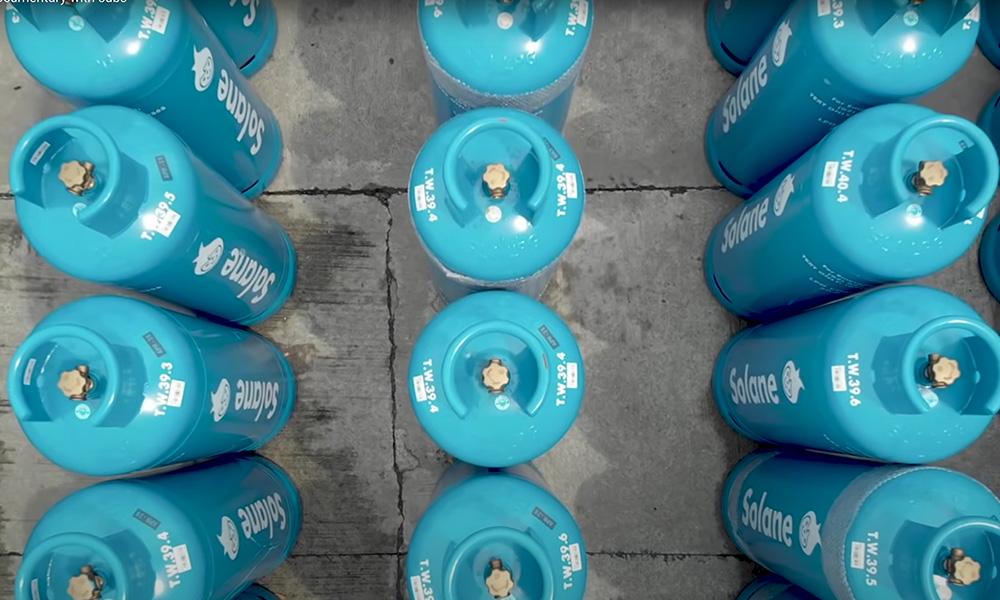
Port closures triggered a supply crisis, leading to a sharp short-term increase in domestic LPG prices.
The closure of Iranian border crossings and the revocation of trade exemptions have abruptly disrupted Pakistan's land-based LPG import supply chain, causing domestic gas prices to jump. The local LPG industry association is calling for an end to the current monthly pricing model and a shift to daily or weekly price adjustments, moving away from the Saudi Aramco long-term contract price (CP) anchor to allow prices to reflect true import costs. Pakistan consumes nearly 2 million tons of LPG annually, with domestic production covering only 30%, leaving 70% of its demand met by imports. Of these imports, approximately 250,000 tons arrive by sea via Qasim Port, while nearly 1 million tons have long relied on land border crossings with Iran. The Taftan border crossing has been under security blockade for six months, and the Mandhe border crossing is intermittently open, making the Rahimdad 250 border crossing the lifeline of this land supply chain. The recent border closures, coupled with the cancellation of declaration exemptions, have left over 4,500 tons of LPG stranded on the Iranian side, causing domestic LPG prices to rise by 100 rupees per kilogram in just one weekend. Energy commentators point out that Pakistan's reliance on Iranian land-based LPG is a short-haul, low-cost feeder trade, independent of the mainstream global maritime LPG distribution pool. If this route is disrupted, the maritime spot market will struggle to quickly fill the gap, concentrating the impact on domestic retail and limiting its spillover effect on Northwest Asian propane prices. Mohammad Ali Haider, Vice President of the LPG Marketing Association, warns that without policy support, price increases could continue.The dramatic change in cost structure has rendered the Saudi CP benchmark meaningless.
Geopolitical conflicts have driven up insurance and shipping premiums, rendering long-standing pricing benchmarks completely ineffective. During peacetime, the landed price of LPG at the Iranian border was $100-150/ton lower than Saudi Aramco's CP, making it Pakistan's most cost-effective gas source. After the conflict, risk costs soared, and import costs actually increased by about $300/ton compared to the CP. Pakistan's gas sources are diversified, sourcing from Oman, the UAE, and Iraq in addition to Iran. Argus's Asian LPG analyst commented that Saudi Aramco's CP was designed for long-term Saudi shipping contracts and is unsuitable for a procurement structure primarily based on spot goods from the Iranian border. It might be barely suitable when market conditions are stable, but once geopolitical disturbances drive up freight and insurance costs, the pricing logic of a single benchmark becomes distorted. This has long been a pain point in South Asian land-based liquefied gas trade. Monthly price lock-in dampens import intentions, and alternative route freight rates have skyrocketed. Pakistan's Oil and Gas Regulatory Authority (OGRA) locks in gas prices monthly in advance, and in an environment of drastic fluctuations in international supply and freight rates, importing companies face the risk of losses. State-owned enterprises such as Southern Natural Gas Company, Northern Natural Gas Pipeline Company, and the Bahamas Refinery have proactively reduced imports due to losses and concerns about audit accountability. A local energy think tank analysis suggests that monthly fixed price controls coupled with the accountability mechanism for state-owned enterprises can easily lead importers to halt operations to mitigate risk, rendering the market's spontaneous restocking mechanism ineffective. The IEA South Asia briefing also mentions that the administrative pricing of energy in many South Asian countries is highly susceptible to a negative cycle of "price lag, import losses, and further supply contraction" under geopolitical shocks. The market is hoping for Gwadar Port as an alternative route; however, freight rates on this route have surged from $60-80 per ton to a maximum of $380, further increasing gas supply costs. The industry has proposed a comprehensive reform plan to reshape the pricing and regulatory system. The LPG Marketing Association, representing over 200 market players, proposed a complete optimization plan: adopting a weekly or daily price adjustment mechanism, similar to refined oil product pricing, to promptly reflect changes in international prices, freight rates, and supply and demand; reassessing the 35,000 rupees per ton distribution profit margin set in 2016 and still in use; and establishing a digitalized sales and procurement monitoring system, with daily price quotes published on the OGRA website to improve transparency and reduce market manipulation. A policy analyst interviewed by Profit believes that weekly price adjustments are a more pragmatic compromise, as completely daily adjustments would place enormous pressure on regulatory verification. Simply changing the price adjustment frequency without corresponding adjustments to profit margins and tax formulas will not resolve the root cause of cost mismatch; digital traceability can only curb black market activities and cannot offset cost increases caused by external geopolitical factors. With winter demand approaching, the risks of hoarding and black markets are escalating. If border supply disruptions continue, coupled with the peak winter heating season, the supply-demand gap will widen further. Remote mountainous areas are highly susceptible to hoarding and black market circulation, further intensifying pressure on end-user prices. The IEA and Payne Institute's South Asia Risk Report indicates that October to December is typically a seasonally strong window for South Asian LPG prices. Against the backdrop of geopolitical turmoil in the Strait of Hormuz, Pakistan is a sensitive secondary risk point. This event primarily impacts domestic inflation and has limited impact on global propane trends; however, if Pakistan continues to buy at high prices, it will divert supply to surrounding areas, pushing up regional premiums for offshore LPG from Oman and the UAE. Argus adds that whether the premium can be sustained depends crucially on when the Iraq-Pakistan border reopens.- Risk Warning and Disclaimer
- The market involves risk, and trading may not be suitable for all investors. This article is for reference only and does not constitute personal investment advice, nor does it take into account certain users’ specific investment objectives, financial situation, or other needs. Any investment decisions made based on this information are at your own risk.