With rising inflation and the midterm elections looming, a pause in the Fed's October rate hikes is highly likely.
2026-10-27 10:36:24
Even though high energy costs complicate the inflation outlook and put additional pressure on household budgets, the Federal Reserve is expected to keep interest rates unchanged at its meeting this week. With the midterm elections approaching, this meeting will be the final word on the direction of inflation before the elections, and its policy stance will affect market sentiment and directly impact every consumer's wallet.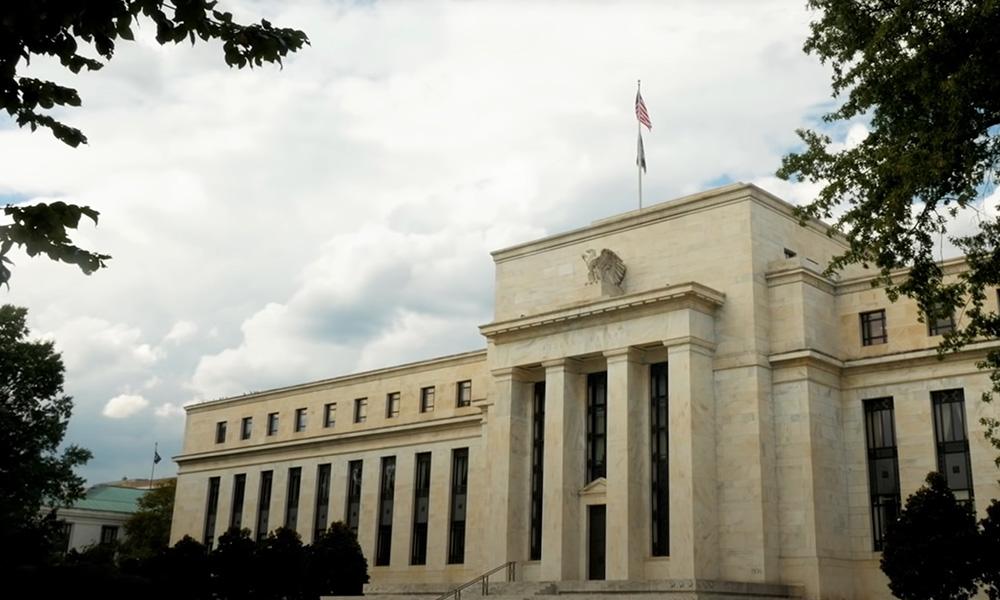
Inflation is rising, but interest rate hikes are paused with the election approaching.
The U.S. Consumer Price Index (CPI), a broad measure of inflation, rose again in September, with the annual inflation rate reaching 3.7%. The surge in oil prices, influenced by the U.S.-Iran war, also pushed up the Producer Price Index (PPI) in September. Brent crude oil briefly hit a five-month high on Monday (October 26) before retreating slightly. The Federal Reserve raised interest rates by 25 basis points last month, increasing the rate range to 3.75% to 4%, the first rate hike since 2023. However, according to data from the CME Group's FedWatch Tool, the federal funds futures market is pricing in less than a 10% probability of another 25 basis point rate hike at this week's meeting, with nearly 75% of market expectations betting on at least one more rate hike before the end of the year. Heather Long, chief economist at the Navy Federal Credit Union, said, "Inflation remains the number one problem for the U.S. economy, and there are plenty of signs that it's becoming increasingly prevalent. For consumers, this means borrowing costs will be quite high for the foreseeable future." However, she added, "Given that it's just before the election, they won't raise rates in October."Market concerns about the credibility of inflation protection
The Federal Reserve's meeting, just days before the midterm elections, is the last formal statement on the pace of inflation in the US before voters go to the ballot box, and its outcome could influence the political power structure of the two parties in Washington. Research shows that in previous election cycles, the Fed has mostly maintained its established policy path. Mark Shore, a director and economist at the Chicago Mercantile Exchange, points out that historically, the four times interest rate hikes occurred near midterm elections—in 1978, 1982, 2018, and 2022—were all associated with rising inflation. Fed Chairman Kevin Warsh has expressed his determination to bring inflation back to the 2% target level. Bank of America economist Aditya Bhave wrote in a research report on October 23, "If the Fed holds steady, the market may question the Fed's credibility in combating inflation."How the benchmark interest rate is transmitted to your wallet
The Federal Reserve's benchmark interest rate determines the fees banks charge for overnight loans, which in turn affects a wide range of consumer lending and savings rates. While higher interest rates help ease inflationary pressures, they can also push up borrowing costs in the short term, exacerbating already tight affordability for many households. Short-term rates are closely linked to prime rates, which are typically 3 percentage points higher than the federal funds rate; long-term borrowing costs, on the other hand, are driven more by inflation expectations and broader economic conditions. "Higher long-term rates hurt consumers' wallets more because they rise faster than short-term rates and severely drag down refinancing activity, home purchase demand, and auto sales," said Mark Zandi, chief economist at Moody's. "Higher short-term rates are also harmful, but primarily in the way they push up rates on credit cards, consumer loans, and home equity mortgages."Credit interest rates are diverging; credit cards, mortgages, and auto loans each have their own logic.
Most credit cards use floating interest rates, which are highly correlated with the Federal Reserve's benchmark interest rate. Therefore, if the Fed keeps interest rates unchanged, the annualized rate of return (APR) for credit cards is likely to remain near current levels. According to data from the lending platform LendingTree, the average interest rate for new credit card products is currently at 23.96%. Mortgage rates are more influenced by US Treasury yields and the economic outlook. The yield on 10-year US Treasury bonds, which serves as a benchmark for many long-term loans, is approaching 5%, keeping the average interest rate for 30-year fixed mortgages around 7.4%, according to Mortgage News Daily. Auto loan rates are shaped by multiple factors, including the Federal Reserve's benchmark interest rate. With financing costs remaining high, many car buyers are addressing affordability challenges by taking on larger loans and extending repayment periods, according to observations from the auto research firm Edmunds. Federal student loan rates are fixed for the loan term, but for new borrowers, rates are already higher this academic year due to the results of the 10-year Treasury auction held in May.In an era of high interest rates, only a few become winners, and depositors' returns rise.
Savings rates typically follow changes in the federal funds rate, making this a rare positive factor under the expectation of "higher rates lasting longer." As the Federal Reserve maintains high interest rates, savers continue to benefit from the relatively attractive yields of high-yield savings accounts and other deposit products.Conclusion
At a time when persistent inflation is intertwined with electoral politics, the Federal Reserve's decision to hold rates steady is both a strategic consideration and a gesture. For consumers, short-term borrowing costs are expected to remain high, and the pressure from credit card, mortgage, and auto loan payments is unlikely to ease in the short term; while for savers, high interest rates offer a rare benefit. The Fed's final statement this week will provide a temporary conclusion to this tug-of-war between "inflation and the election."- Risk Warning and Disclaimer
- The market involves risk, and trading may not be suitable for all investors. This article is for reference only and does not constitute personal investment advice, nor does it take into account certain users’ specific investment objectives, financial situation, or other needs. Any investment decisions made based on this information are at your own risk.