Warsh declined to predict: Where do the market disagree on the extent of further tightening?
2026-10-27 21:44:23
On Tuesday, October 27th, market attention was focused on the results of the Federal Open Market Committee (FOMC) meeting scheduled for October 28th. The target range for the federal funds rate has remained at 3.75% to 4.00% since the September rate hike, with the market pricing in a roughly 90% probability of this rate remaining unchanged. The U.S. Consumer Price Index (CPI) rose 3.7% year-on-year in September, accelerating from 3.4% in the previous month, with the core index rising to 2.6%. The Producer Price Index (PPI) rose even more sharply to 6.3% year-on-year, primarily driven by a significant increase in energy prices. The unemployment rate remained at 4.2%, with only about 29,000 new non-farm payroll jobs added. The yield on the 10-year U.S. Treasury bond fluctuated around 5%. Federal Reserve Chairman Kevin Warsh recently emphasized price stability as a priority and explicitly stated that he would not prejudge the meeting's outcome, making the content of this communication crucial for the market to interpret the policy path. 
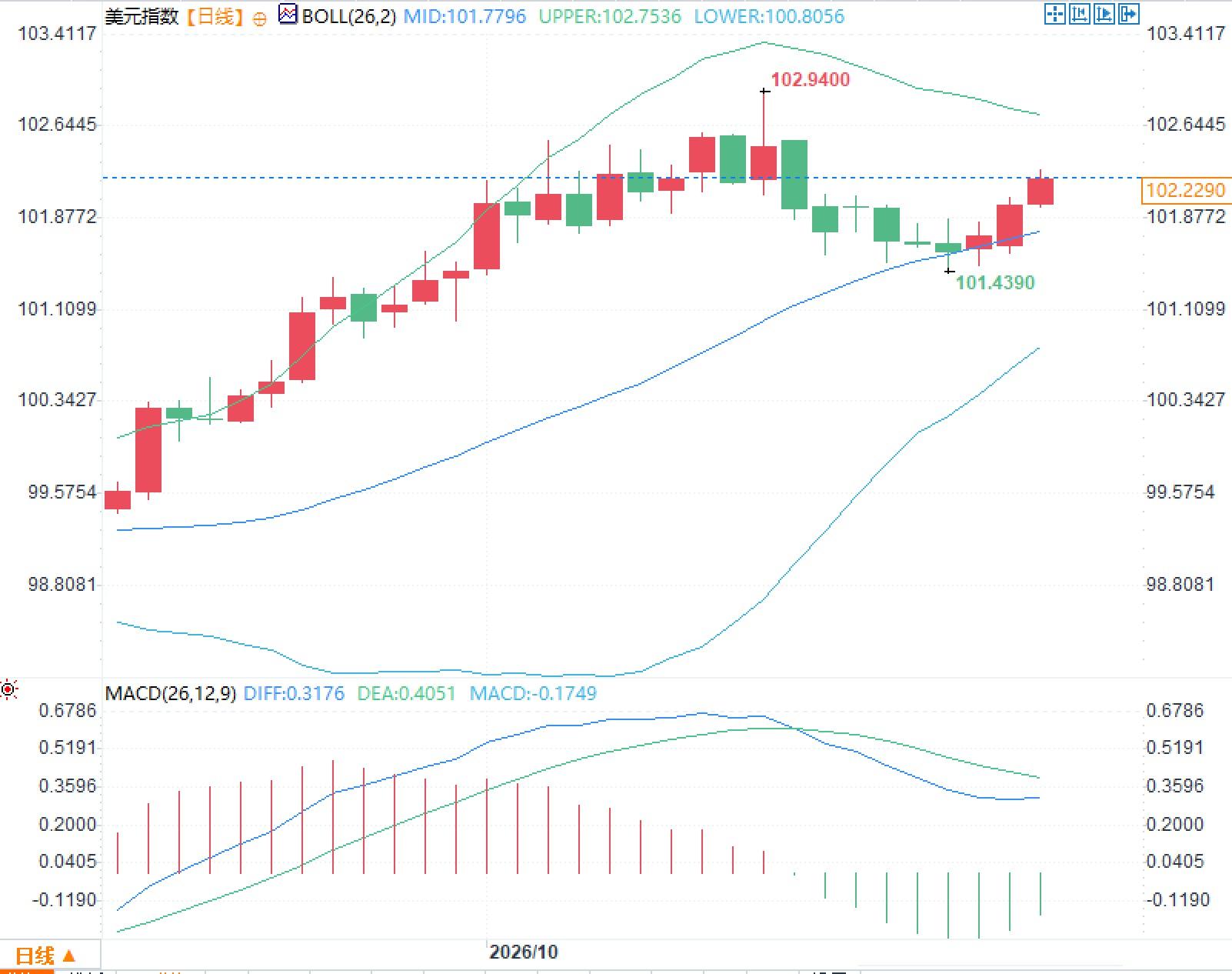
Current policy framework and characteristics of inflation data
This meeting was widely seen as an assessment window after the Federal Reserve raised its target range for the interest rate by 25 basis points to 3.75% to 4.00% in September. The U.S. Consumer Price Index (CPI) rose 0.6% month-over-month in September, with the core CPI rising 0.3%, particularly noteworthy for the energy component. The Producer Price Index (PPI) rose 1.3% month-over-month, a significant increase in recent years, indicating that signs of upstream price pressures being transmitted downstream persist. The unemployment rate rose slightly to 4.2% from 4.1% in August, with job creation slowing and the participation rate slightly recovering, suggesting a coexistence of resilience and cooling in the labor market. These data reinforced discussions about the necessity of further tightening, but key officials had previously signaled that there was little urgency for consecutive rate hikes. Therefore, the policy focus shifted from direction to timing and magnitude, rather than whether additional action was needed.Cross-validation of market pricing and official signals
The federal funds futures market is pricing in about a 90% chance of no change in October, while the probability of a December rate hike has risen to around 80%, with some forecasts priced in at or above this level. Traders are roughly pricing in about two additional rate hikes next year, with the first fully priced-in point around April. Statements from officials including New York Fed President John Williams and Vice Chairman Philip Jefferson indicate that there is room for further assessment of data before action, and they oppose a hasty and continuous tightening. Hawkish officials such as Lori Logan and Beth Hammark, who have a history of dissenting votes, will likely face dissent this time, becoming an indicator of the balance within the Fed's watchdog group. Warsh reiterated the price stability commitment at a recent event in Bangkok and stated that some easing measures have been removed, but declined to provide a specific timetable, contrasting with the pacing signals from some members.Changes in the Chairman's Communication Style and the Focus of This Session
Since assuming the chairmanship, Kevin Warsh has adjusted the communication approach, reducing routine forward guidance and emphasizing data-driven approaches and avoiding pre-meeting predictions. He recently stated publicly that he will not disclose possible actions before the meeting, calling it a new phase for the Fed. This meeting will not present new economic projections or a dot plot; therefore, the wording of the policy statement and the content of the press conference will be the main sources of signals. Market focus will be on the wording regarding whether policy is sufficiently restrictive, the cautious attitude towards individual data points, and whether it reinforces the necessity for further tightening. Neutral statements may be interpreted as leaving options open, while more explicit restrictive language may strengthen expectations for the subsequent path. Disagreements within the committee regarding continuous action versus interval assessments will be indirectly reflected through the statement and dissenting votes.Discussion on the timing and magnitude of further tightening
The current debate centers on when and at what pace additional tightening should be implemented, rather than whether it is necessary. September's US inflation data reinforced evidence of persistent price pressures, with energy prices rising due to regional conflicts, creating supply-side disruptions. Meanwhile, slower job growth provides a buffer for assessments, leading some officials to await further information, including subsequent inflation, employment, and output data. Warsh is expected to reiterate that policy is not yet sufficiently restrictive and reaffirm the commitment to price stability, while potentially cautioning against overreacting to single-month data. Without new forecasts, subtle adjustments in language and the tone of the press conference will determine the extent to which the market reprices the 2027 path.Frequently Asked Questions
Question 1: Why is the market so heavily pricing in the Fed keeping interest rates unchanged in October, yet still highly focused on this meeting? Answer: The futures market priced in about 90% unchanged rates, given officials' previous signals prioritizing assessment and the recent rate hike in September. However, inflation data is high, and there are no new forecasts. The wording of the statement and Warsh's press conference will determine adjustments to expectations for the December and 2027 path. Therefore, the focus is on the signals rather than the decision itself. Question 2: How will the September US inflation data affect discussions of further tightening? Answer: The Consumer Price Index (CPI) rose to 3.7% year-on-year, core inflation to 2.6%, and the Producer Price Index (PPI) rose to 6.3% year-on-year. Significant increases in energy prices reinforce evidence of persistent price pressures. This supports the need for additional tightening, but officials' statements indicate little urgency for action at consecutive meetings. Therefore, the debate focuses on timing and magnitude. Question 3: What does the change in Warsh's communication style mean for market interpretation? Answer: Warsh's reduction in forward guidance and emphasis on not predicting meetings have made the market more reliant on the wording of the statement and the tone of the press conference to infer the path. This time, without a dot plot, the key lies in the language adjustments and the wording of policy restrictions, which will influence the reassessment of the subsequent pace of tightening.- Risk Warning and Disclaimer
- The market involves risk, and trading may not be suitable for all investors. This article is for reference only and does not constitute personal investment advice, nor does it take into account certain users’ specific investment objectives, financial situation, or other needs. Any investment decisions made based on this information are at your own risk.