Following the Bank of Canada's interest rate hike, an unexpected GDP stagnation has occurred. How will the market repric?
2026-10-30 21:34:23
On Friday, October 30th, Statistics Canada released its August GDP data, showing that real GDP remained essentially flat for the second consecutive month, while preliminary estimates indicate a slight contraction in September. This data was released shortly after the Bank of Canada raised its policy rate to 2.5% on Wednesday, highlighting the tension between growth momentum and inflationary pressures. Market attention to Canadian dollar-related assets subsequently increased, with the USD/CAD exchange rate remaining around 1.39 to 1.40 in recent fluctuations. 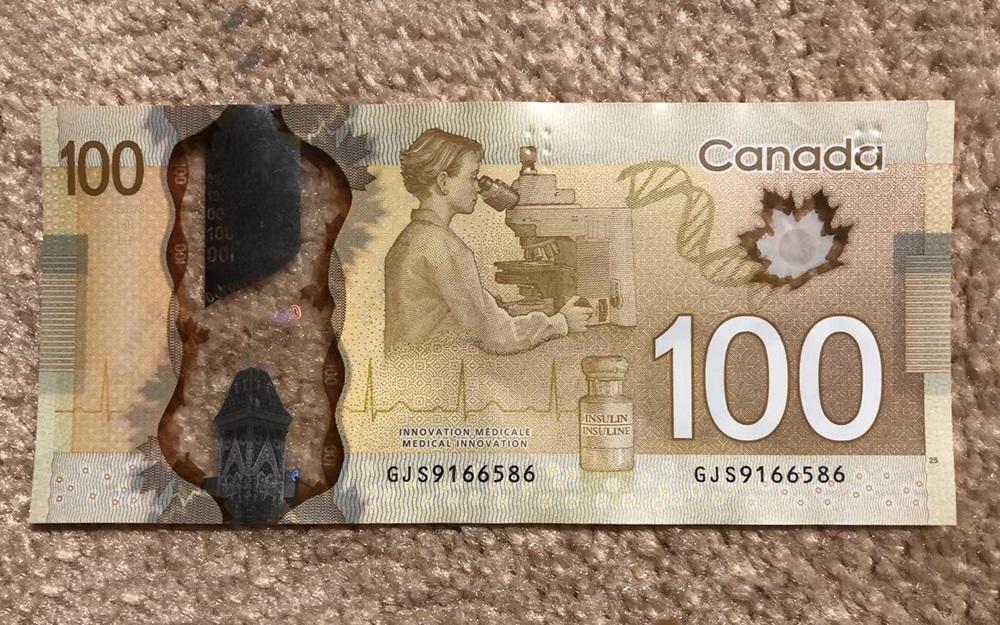
August economic data showed signs of slowing growth.
Statistics Canada data shows that real GDP was essentially flat in August, marking the second consecutive month of zero growth, with only nine of the 20 industrial sectors expanding. This result was lower than the market's previous expectation of 0.2% and weaker than Statistics Canada's own preliminary estimate. The services sector as a whole declined by 0.1%, while goods production rose slightly by 0.1%. Wholesale trade was the biggest drag, declining by 1.4% month-on-month, with wholesalers of motor vehicles and parts contracting by 4.4%, the first decline in seven months, related to reduced imports of passenger cars and light trucks and weaker-than-seasonal performance in automobile manufacturing. The public sector declined by 0.2%, with federal government public administration (excluding defense) contracting by 2.1%. In contrast, retail trade rose by 1.2% month-on-month, with most sub-sectors expanding, but a 0.6% decline in gas stations and fuel suppliers offset some of the gains. Manufacturing grew by 0.3%, the fifth expansion in seven months, with machinery manufacturing rising by 3.8% and petroleum refining by 4.2%, but transportation equipment manufacturing declining by 3.1%. Preliminary estimates indicate that real GDP declined by 0.1% in September, with manufacturing and mining, quarrying, and oil and gas extraction experiencing declines, partially offset by growth in utilities and wholesale trade. Based on this information, the annualized economic growth rate for the third quarter was approximately 1.3%, significantly lower than the 3.3% annualized growth rate in the second quarter and weaker than the Bank of Canada's forecast of approximately 2% in its latest monetary policy report.The Bank of Canada raised interest rates to address inflationary pressures on energy prices.
The Bank of Canada raised its overnight interest rate target by 25 basis points to 2.5% on October 28, its first rate hike since July 2023. Governor Tiff Macklem noted that the inflation outlook has deteriorated since the July monetary policy report, with ongoing Middle East conflict leading to higher global oil prices, which are expected to remain higher for a longer period. The Consumer Price Index (CPI) has remained around 3% since April and is projected to rise to approximately 3.5% by the end of the year, averaging around 3% throughout 2027, and approaching the 2% target by mid-2028. Inflation excluding gasoline is at 2.2%, with the core index near 2%, but fuel prices are pushing up production and transportation costs, and business surveys indicate that cost pass-through will increase over the next year, leading to rising short-term inflation expectations. Macklem stated that given the significantly higher inflation outlook and the resilience of the economy, raising the policy rate helps reduce the risk of a broad transmission of persistently high energy prices to other goods and services. He also emphasized that further policy rate hikes may be necessary, but given the uncertainty, the Governing Council will decide on a meeting-by-meeting basis and proceed cautiously. The next policy rate announcement is scheduled for December 9.Sector performance reveals structural differences.
August data further reveals the divergence within the economy. Contraction in wholesale trade and the public sector constituted the main downward pressure, corroborated by a sharp decline in motor vehicle-related wholesale, reduced imports, and weak manufacturing activity. The rebound in retail trade indicates some support on the consumption side, but contraction in fuel-related sub-sectors reflects the direct suppression of end-user spending by energy prices. Manufacturing expanded overall, but the decline in transportation equipment manufacturing suggests that the automotive supply chain still faces adjustments. In the mining sector, potash mining surged by 12%, other metal mining rose by 56.2%, but oil and gas extraction declined by 1.2%, and oil sands extraction fell by 2.1%. Rail transport rose by 3.6%, air transport by 1.3%, and finance and insurance saw a slight increase of 0.2%. These differences indicate that the impact of rising energy-related costs and changes in the trade environment on different sectors is uneven. The coexistence of weakness in wholesale and public administration with resilience in retail and some manufacturing sectors adds to the explanation for the overall slowdown in growth in the third quarter.Outlook and External Uncertainties
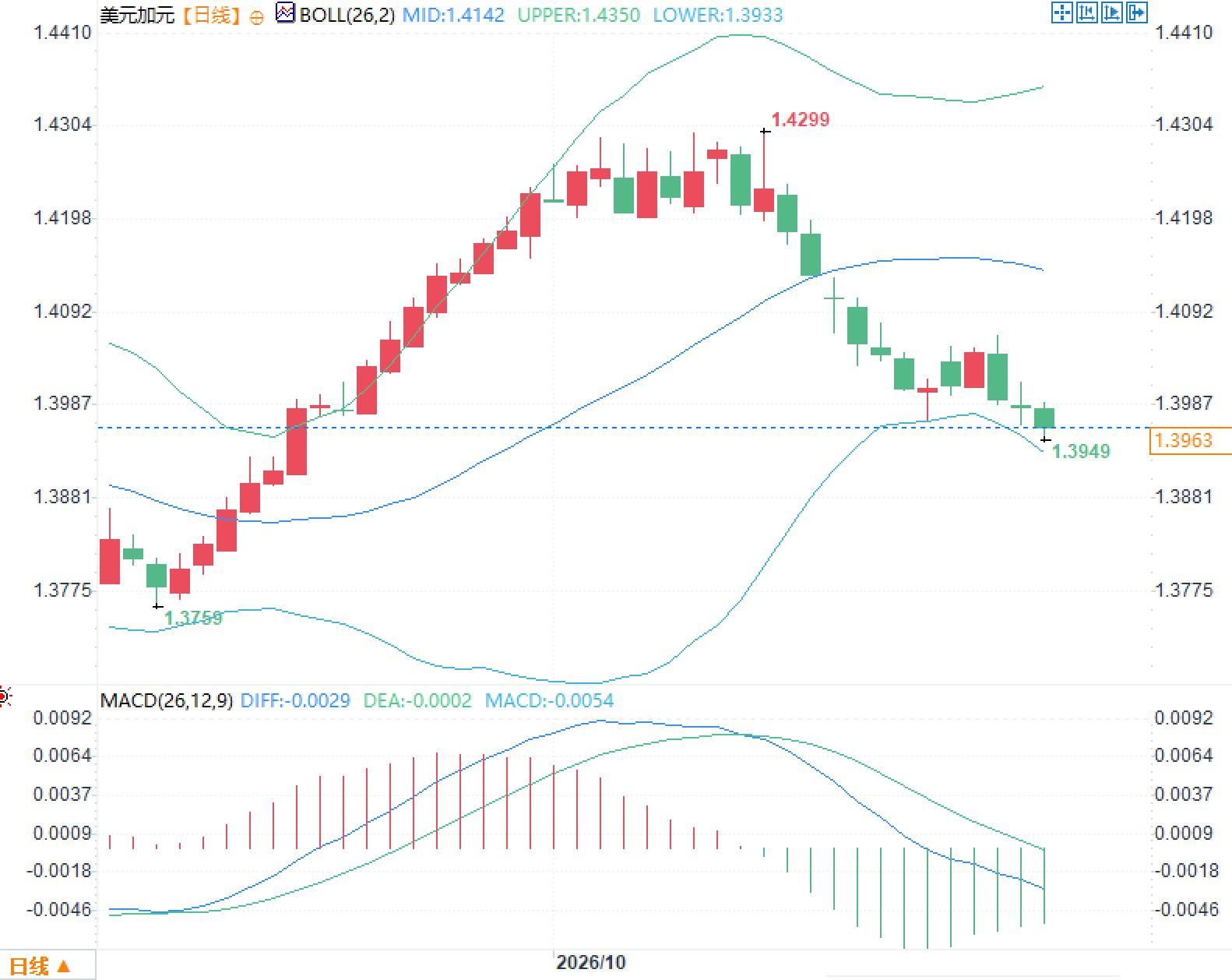
The Bank of Canada, in its latest report, projects economic growth of approximately 1% for full-year 2026 and around 2% for both 2027 and 2028, slightly stronger than its July forecast, but still facing significant uncertainty, particularly related to Canada-US trade relations. Growth is expected to slow in the fourth quarter due to new tariffs, before recovering supported by business investment, exports, and fiscal measures. Consumer spending growth will moderate, while housing will remain relatively weak. The unemployment rate has remained around 6.5% for several months. Governor Macklem noted that the Middle East conflict has entered its eighth month with no clear path to a solution, and higher and more persistent energy prices and cost pass-throughs are increasing the persistence of inflation. External economic activity remains resilient, but the Canadian economy slowed in the third quarter against the backdrop of escalating trade frictions. The Board emphasized its commitment to maintaining confidence in price stability and acting prudently amid uncertainty. Official Canadian third-quarter GDP data will be released on November 30th, at which time the official September figures and quarterly estimates will provide a more complete picture. The USD/CAD exchange rate has been fluctuating around 1.395 recently. The Bollinger Band middle line is around 1.4142, with the upper and lower bands at 1.4350 and 1.3933 respectively. The MACD indicator shows DIFF at -0.0029, DEA at -0.0002, and the histogram at -0.0054. Market participants are combining these technical characteristics to observe the impact of macroeconomic data on the exchange rate.
- Risk Warning and Disclaimer
- The market involves risk, and trading may not be suitable for all investors. This article is for reference only and does not constitute personal investment advice, nor does it take into account certain users’ specific investment objectives, financial situation, or other needs. Any investment decisions made based on this information are at your own risk.