The Bank of Japan declared victory over deflation, ETF selling accelerated, and the clearing cycle shortened to 43 years.
2026-10-30 23:50:24
In its quarterly economic outlook report released overnight, the Bank of Japan simultaneously announced its widely anticipated decision: to maintain the policy interest rate at 1.25%, with a vote of 8 to 1. Hawkish member Takata Ventures voted against the decision, advocating for a direct rate hike to 1.50%. The Bank of Japan removed its long-standing guidance—originally projecting a 2% inflation target to be achieved in the second half of fiscal year 2026 to fiscal year 2027—replacing it with a new statement: "The underlying CPI inflation level is broadly in line with the 2% price stability target." This means that the official assessment is that the war against deflation that has plagued the Japanese economy for three decades has ended. Reuters defined it as a historic turning point for the Bank of Japan, and the Financial Times called it a victory in the decades-long war against deflation. However, those familiar with the context of the "mission accomplished" slogan understand that this moment often marks only the beginning of new troubles. 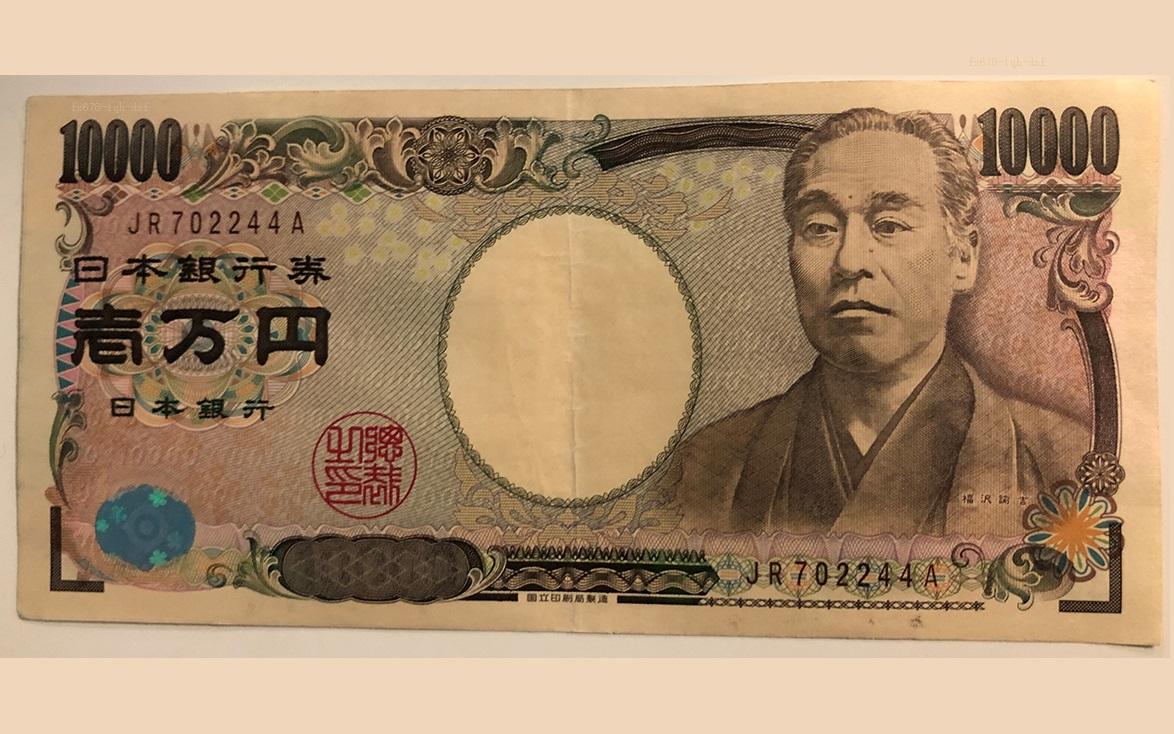 The market had initially expected the central bank to remain on the sidelines, but the biggest surprise of this decision was that the Bank of Japan nearly tripled the pace of ETF reductions. This adjustment, not included in the benchmark forecasts of major institutions, shortened the complete clearing cycle of massive stock holdings from 112 years to 43 years. The hawkish stance, while seemingly aimed at maintaining stability, implicitly carries a risk warning . Goldman Sachs Japan economist Tomohiro Ota summarized the decision in a post-meeting research report. Overall growth expectations remained largely unchanged, while inflation forecasts were adjusted in both directions: the inflation forecast for fiscal year 2026 was lowered, while the inflation forecast for fiscal year 2027 was raised, mainly reflecting the pressure from rising oil prices since the beginning of summer. Brent crude has now reached $116, and future oil prices remain a variable for inflation. The central bank raised its forecast for core CPI (excluding fresh food) in fiscal year 2027 from 2.4% to 2.6%, and its forecast for core CPI excluding fresh food and energy from 2.6% to 2.7%. It is worth noting that this forecast did not include the upcoming reduction in food consumption tax in fiscal year 2027. A closer look at the forecast details reveals that the central bank actually lowered its core CPI forecast for fiscal year 2026 from 2.5% to 2.4%. Goldman Sachs' inflation forecasts are all below the central bank's baseline, with the bank predicting a core CPI of only 1.9% for fiscal year 2028. Data from Deutsche Bank's Jim Reid is also noteworthy: on the very day the central bank announced that inflation had met its target, Tokyo's core CPI fell from 2.9% to 2.6%. The market has two interpretations: one is that this is merely a short-term data fluctuation; the other is that the central bank has been waiting for this announcement for 14 years and is unwilling to delay its statement based on a set of weak local price data. The main content of the policy statement continues the tone of September: economic growth risks are broadly balanced, price risks remain skewed to the upside, supported by factors including Middle East geopolitics, changes in the AI industry, and exchange rate volatility; the central bank retains the core wording from June, namely, it will continue to raise policy interest rates. A key new warning is added: several overseas central banks have turned to raising interest rates since the beginning of summer, requiring close monitoring of how overseas monetary policies are transmitted through global financial markets and impact the Japanese economy and prices. The market generally interprets this statement as directly addressing the risk of yen depreciation due to continued overseas interest rate hikes. At the press conference, Kazuo Ueda further released hawkish signals. He stated that Japan's monetary policy has entered a new phase, shifting its focus from preventing insufficient inflation to guarding against overheating. Every meeting of the Monetary Policy Committee, including the December policy meeting, will discuss interest rate hike options. He emphasized that the policy objective is to keep core inflation stably anchored around 2%, and the central bank will not passively wait but will flexibly adjust interest rates to prevent the risk of inflation significantly exceeding the target. A Reuters survey shows that the Bank of Japan raised interest rates in June and September, a pace significantly faster than the twice-a-year pace of the 2024 and 2025 plans. Most economists surveyed expect the December rate to rise to 1.5%, with the terminal interest rate center of this cycle falling between 1.75% and 2%. Meiji Yasuda Life Insurance economist Kazutaka Maeda is even more aggressive, believing the central bank may switch to raising rates once a quarter. In terms of interest rate pricing, overnight index swap (OIS) pricing shows that the market expects the Japanese policy rate to be around 2.04% at the end of 2027, higher than Goldman Sachs' benchmark forecast of 1.75%, indicating that the market as a whole is more hawkish than investment banks' benchmark expectations. This directly affects the pricing of the yen exchange rate. The real surprise: ETF reduction cycle compressed to 43 years The interest rate path had already been fully priced in by the market; the accelerated pace of ETF reductions was the only unexpected variable in this decision. The announcement clearly states that the new reduction schedule will begin in January 2027, with the annual ETF reduction scale increasing to 860 billion yen.
 According to details compiled by Tomohiro Ota, the original plan, launched in January 2026, involved selling 330 billion yen worth of ETFs annually at book value. The adjusted plan increased the annual scale to 860 billion yen, and the relevant resolution was unanimously passed. The timeframe for clearing all holdings was shortened from 112 years to approximately 43 years. Goldman Sachs' foreign exchange team quipped that even with the accelerated pace, 43 years is still a long period; Deutsche Bank's Reid commented that no matter how the pace is increased, this timeframe may even exceed the lifespan of the existing monetary policy framework itself. When the central bank first announced its reduction plan in September 2025, the market had an intuitive understanding: ordinary people would find it difficult to wait until the central bank cleared all ETFs. Kazuo Ueda also admitted at the time that a century from now, the current policymakers would no longer be in their positions, but the policy intention was to sell continuously for a long period. Now, with the cycle compressed to 43 years, the figures have improved, but for the vast majority of market participants, complete clearing remains a distant prospect. A simple calculation shows that 860 billion yen annually for 43 years corresponds to a total book value of approximately 37 trillion yen, consistent with the total amount of the old plan. The market value of these holdings far exceeded their book value; when the reduction was officially announced, their market value had already exceeded 75 trillion yen. Coupled with the Nikkei index's approximately 25% increase this year, the central bank initiated the reduction during a sustained bull market, a phenomenon rarely seen in decades. The stock market reaction was mild, while the central bank reaped implicit benefits . As the largest single shareholder in the Japanese stock market, the central bank's accelerated sale of ETFs has resulted in a relatively calm market reaction. Bloomberg research suggests that investor confidence remains. Aizawa Securities analyst Yukihiro Kawanishi estimates that, based on market prices, the central bank's annual sales volume is approximately 2.4 trillion yen, while the average daily turnover of the TOPIX index is about 9 trillion yen. The central bank's total annual sales volume is only equivalent to a quarter of the market's daily turnover, thus having a limited impact on liquidity. The Nikkei index ultimately closed down 2.1% that day, but Goldman Sachs' Asia-Pacific team judged that the decline was mainly due to a collective pullback in the AI and chip sectors, driven by Intel and Amazon. Murata Manufacturing Co., Ltd. fell 11%, and Fujitsu plummeted 16% due to disappointing earnings reports, with little correlation to the central bank's decision. The banking sector, on the other hand, showed relative strength after the decision was announced. This decline marked the Nikkei index's worst October performance since 2018. Even so, the index is still up about 25% year-to-date, and combined with last year's 26% gain, the strength of this rally is considerable. This share reduction plan also has an easily overlooked side effect. Bloomberg economist Taro Kimura points out that most of the proceeds from ETF sales will be turned over to the national treasury to support the fiscal plans of the Sanae Takaichi government. For Japan, the developed economy with the highest global debt burden, the central bank's share reduction is equivalent to opening up a continuous source of fiscal revenue, further deepening the linkage between monetary and fiscal policies. Yen: Pricing is sufficient, lacking new upward momentum The yen was the core focus of this policy decision. Theoretically, the central bank's declaration of victory over deflation should be a hawkish signal for the yen, but the market reaction was lackluster. The yen briefly strengthened initially after the decision, but then quickly gave back its gains as Kazuo Ueda did not provide clearer guidance on the timing of interest rate hikes, with the USD/JPY pair fluctuating between 157 and 158. Before the press conference, the yen had only risen slightly by 0.22%, trading at 157.38. Goldman Sachs' FX team explained the underlying logic: Market interest rate pricing was already heavily priced in before the decision, making it extremely difficult to generate new, unexpectedly positive news. The information released this time is only sufficient to support the existing pricing and is unlikely to further push up the yen. The effectiveness of this event-driven market movement is weak, similar to the performance after the Fed and ECB decisions this week, both contributing to lower volatility in the FX market. Goldman Sachs' trading team believes that the yen's performance this week has deviated from the previous logic of "buying the yen as a safe haven"; as long positions are gradually closed, USD/JPY still faces slow upward pressure. Goldman Sachs strategists maintain their original assessment: the pace of subsequent monetary policy adjustments in Japan is slow, coupled with the attractiveness of carry trades and the risk of policies falling short of expectations, the yen will remain under pressure in the short term. Current long positions in the yen have already accumulated again, and a pullback after the positive news is priced in is likely. This narrative has been playing out repeatedly since this summer: the Bank of Japan raises interest rates, and the yen rebounds briefly; however, the Fed and ECB simultaneously release hawkish signals, preventing the narrowing of the Japan-US interest rate differential and the Japan-Europe interest rate differential, allowing carry trades to dominate again and suppress the yen. After raising interest rates to 1.25% on September 18, the yen depreciated rapidly until the Japanese authorities initiated a currency inquiry, which slowed the decline. The funds for that intervention came from the sale of nearly $90 billion in US Treasury bonds. Potential Major Variable: GPIF Pension Fund Repatriation The domestic variable that could significantly reverse the yen's trend is the world's largest pension fund—the Government Pension Investment Fund of Japan (GPIF). Karen Fish, senior foreign exchange strategist at Goldman Sachs, analyzes that GPIF doesn't need to modify its official allocation targets; simply adjusting its portfolio within the existing allowed range can generate a huge inflow of funds. Based on its holdings at the end of June 2026, assuming other conditions remain unchanged, GPIF could push its domestic asset allocation to the upper limit of the range by increasing its holdings of approximately $90 billion in domestic bonds and $125 billion in domestic stocks. This amount is similar to the scale of the Japanese yen intervention in July and August of this year, only spread over a longer period. Compared to the flow of funds, the signal value of GPIF shifting its allocation to the domestic market is greater, as it will drive other follow-up funds to return simultaneously. The earliest practical observation window is the annual allocation review at the end of the spring fiscal year of 2027. Fishman suggests that shorting the USD/JPY pair was a cost-effective hedging tool prior to this, especially given the high volatility in the AI sector, where stock market and US Treasury yields might decline in tandem. The Japanese government has been guiding pension funds back to Japan since July; this same logic explains the recent continuous sell-off of US Treasuries and the selling pressure on the French bond market. Each interest rate hike by the Bank of Japan increases the attractiveness of domestic assets, prompting a massive influx of overseas yen funds back to Japan. This is also a channel through which Japanese monetary policy is transmitted outwards, impacting the global bond market. Summary: Victory Announced, But Challenges Remain In summary, the Bank of Japan has officially declared the end of deflation, signaling the possibility of a rate hike at its December meeting. The ETF reduction has a clear timetable, and some market participants may see the reduction completed in their lifetime. However, after Kazuo Ueda's policy focus shift, maintaining 2% inflation will not be easy: high Brent oil prices and a weak yen bring imported inflationary pressures, coupled with the impact of the 2027 fiscal year food consumption tax reduction on statistical methods, making subsequent inflation fluctuations more complex. Goldman Sachs' Tomohiro Ota will be closely monitoring four key indicators to determine the next interest rate hike window: Kazuo Ueda's statements on exchange rates and the risk of yen-imported inflation; the economic impact of tightening financial conditions; the upside risk of inflation exceeding the target; and the equilibrium neutral interest rate level. The yen exchange rate is the most important indicator. Current market expectations for a rate hike are already higher than investment bank benchmarks, but the yen has reacted sluggishly, with major central banks globally leaning towards a hawkish stance. This means that the Bank of Japan is highly likely to raise interest rates in December, and the yen is likely to continue to show no significant reaction until the Ministry of Finance intervenes directly in the exchange rate, or the GPIF initiates a large-scale domestic purchase. The market is more inclined to see exchange rate intervention first. It took the Bank of Japan 14 years to achieve its 2% inflation target, and it will take another 43 years to slowly sell off the stocks it bought to combat deflation. In Japan, patience itself is an integral part of monetary policy.
The market had initially expected the central bank to remain on the sidelines, but the biggest surprise of this decision was that the Bank of Japan nearly tripled the pace of ETF reductions. This adjustment, not included in the benchmark forecasts of major institutions, shortened the complete clearing cycle of massive stock holdings from 112 years to 43 years. The hawkish stance, while seemingly aimed at maintaining stability, implicitly carries a risk warning . Goldman Sachs Japan economist Tomohiro Ota summarized the decision in a post-meeting research report. Overall growth expectations remained largely unchanged, while inflation forecasts were adjusted in both directions: the inflation forecast for fiscal year 2026 was lowered, while the inflation forecast for fiscal year 2027 was raised, mainly reflecting the pressure from rising oil prices since the beginning of summer. Brent crude has now reached $116, and future oil prices remain a variable for inflation. The central bank raised its forecast for core CPI (excluding fresh food) in fiscal year 2027 from 2.4% to 2.6%, and its forecast for core CPI excluding fresh food and energy from 2.6% to 2.7%. It is worth noting that this forecast did not include the upcoming reduction in food consumption tax in fiscal year 2027. A closer look at the forecast details reveals that the central bank actually lowered its core CPI forecast for fiscal year 2026 from 2.5% to 2.4%. Goldman Sachs' inflation forecasts are all below the central bank's baseline, with the bank predicting a core CPI of only 1.9% for fiscal year 2028. Data from Deutsche Bank's Jim Reid is also noteworthy: on the very day the central bank announced that inflation had met its target, Tokyo's core CPI fell from 2.9% to 2.6%. The market has two interpretations: one is that this is merely a short-term data fluctuation; the other is that the central bank has been waiting for this announcement for 14 years and is unwilling to delay its statement based on a set of weak local price data. The main content of the policy statement continues the tone of September: economic growth risks are broadly balanced, price risks remain skewed to the upside, supported by factors including Middle East geopolitics, changes in the AI industry, and exchange rate volatility; the central bank retains the core wording from June, namely, it will continue to raise policy interest rates. A key new warning is added: several overseas central banks have turned to raising interest rates since the beginning of summer, requiring close monitoring of how overseas monetary policies are transmitted through global financial markets and impact the Japanese economy and prices. The market generally interprets this statement as directly addressing the risk of yen depreciation due to continued overseas interest rate hikes. At the press conference, Kazuo Ueda further released hawkish signals. He stated that Japan's monetary policy has entered a new phase, shifting its focus from preventing insufficient inflation to guarding against overheating. Every meeting of the Monetary Policy Committee, including the December policy meeting, will discuss interest rate hike options. He emphasized that the policy objective is to keep core inflation stably anchored around 2%, and the central bank will not passively wait but will flexibly adjust interest rates to prevent the risk of inflation significantly exceeding the target. A Reuters survey shows that the Bank of Japan raised interest rates in June and September, a pace significantly faster than the twice-a-year pace of the 2024 and 2025 plans. Most economists surveyed expect the December rate to rise to 1.5%, with the terminal interest rate center of this cycle falling between 1.75% and 2%. Meiji Yasuda Life Insurance economist Kazutaka Maeda is even more aggressive, believing the central bank may switch to raising rates once a quarter. In terms of interest rate pricing, overnight index swap (OIS) pricing shows that the market expects the Japanese policy rate to be around 2.04% at the end of 2027, higher than Goldman Sachs' benchmark forecast of 1.75%, indicating that the market as a whole is more hawkish than investment banks' benchmark expectations. This directly affects the pricing of the yen exchange rate. The real surprise: ETF reduction cycle compressed to 43 years The interest rate path had already been fully priced in by the market; the accelerated pace of ETF reductions was the only unexpected variable in this decision. The announcement clearly states that the new reduction schedule will begin in January 2027, with the annual ETF reduction scale increasing to 860 billion yen. According to details compiled by Tomohiro Ota, the original plan, launched in January 2026, involved selling 330 billion yen worth of ETFs annually at book value. The adjusted plan increased the annual scale to 860 billion yen, and the relevant resolution was unanimously passed. The timeframe for clearing all holdings was shortened from 112 years to approximately 43 years. Goldman Sachs' foreign exchange team quipped that even with the accelerated pace, 43 years is still a long period; Deutsche Bank's Reid commented that no matter how the pace is increased, this timeframe may even exceed the lifespan of the existing monetary policy framework itself. When the central bank first announced its reduction plan in September 2025, the market had an intuitive understanding: ordinary people would find it difficult to wait until the central bank cleared all ETFs. Kazuo Ueda also admitted at the time that a century from now, the current policymakers would no longer be in their positions, but the policy intention was to sell continuously for a long period. Now, with the cycle compressed to 43 years, the figures have improved, but for the vast majority of market participants, complete clearing remains a distant prospect. A simple calculation shows that 860 billion yen annually for 43 years corresponds to a total book value of approximately 37 trillion yen, consistent with the total amount of the old plan. The market value of these holdings far exceeded their book value; when the reduction was officially announced, their market value had already exceeded 75 trillion yen. Coupled with the Nikkei index's approximately 25% increase this year, the central bank initiated the reduction during a sustained bull market, a phenomenon rarely seen in decades. The stock market reaction was mild, while the central bank reaped implicit benefits . As the largest single shareholder in the Japanese stock market, the central bank's accelerated sale of ETFs has resulted in a relatively calm market reaction. Bloomberg research suggests that investor confidence remains. Aizawa Securities analyst Yukihiro Kawanishi estimates that, based on market prices, the central bank's annual sales volume is approximately 2.4 trillion yen, while the average daily turnover of the TOPIX index is about 9 trillion yen. The central bank's total annual sales volume is only equivalent to a quarter of the market's daily turnover, thus having a limited impact on liquidity. The Nikkei index ultimately closed down 2.1% that day, but Goldman Sachs' Asia-Pacific team judged that the decline was mainly due to a collective pullback in the AI and chip sectors, driven by Intel and Amazon. Murata Manufacturing Co., Ltd. fell 11%, and Fujitsu plummeted 16% due to disappointing earnings reports, with little correlation to the central bank's decision. The banking sector, on the other hand, showed relative strength after the decision was announced. This decline marked the Nikkei index's worst October performance since 2018. Even so, the index is still up about 25% year-to-date, and combined with last year's 26% gain, the strength of this rally is considerable. This share reduction plan also has an easily overlooked side effect. Bloomberg economist Taro Kimura points out that most of the proceeds from ETF sales will be turned over to the national treasury to support the fiscal plans of the Sanae Takaichi government. For Japan, the developed economy with the highest global debt burden, the central bank's share reduction is equivalent to opening up a continuous source of fiscal revenue, further deepening the linkage between monetary and fiscal policies. Yen: Pricing is sufficient, lacking new upward momentum The yen was the core focus of this policy decision. Theoretically, the central bank's declaration of victory over deflation should be a hawkish signal for the yen, but the market reaction was lackluster. The yen briefly strengthened initially after the decision, but then quickly gave back its gains as Kazuo Ueda did not provide clearer guidance on the timing of interest rate hikes, with the USD/JPY pair fluctuating between 157 and 158. Before the press conference, the yen had only risen slightly by 0.22%, trading at 157.38. Goldman Sachs' FX team explained the underlying logic: Market interest rate pricing was already heavily priced in before the decision, making it extremely difficult to generate new, unexpectedly positive news. The information released this time is only sufficient to support the existing pricing and is unlikely to further push up the yen. The effectiveness of this event-driven market movement is weak, similar to the performance after the Fed and ECB decisions this week, both contributing to lower volatility in the FX market. Goldman Sachs' trading team believes that the yen's performance this week has deviated from the previous logic of "buying the yen as a safe haven"; as long positions are gradually closed, USD/JPY still faces slow upward pressure. Goldman Sachs strategists maintain their original assessment: the pace of subsequent monetary policy adjustments in Japan is slow, coupled with the attractiveness of carry trades and the risk of policies falling short of expectations, the yen will remain under pressure in the short term. Current long positions in the yen have already accumulated again, and a pullback after the positive news is priced in is likely. This narrative has been playing out repeatedly since this summer: the Bank of Japan raises interest rates, and the yen rebounds briefly; however, the Fed and ECB simultaneously release hawkish signals, preventing the narrowing of the Japan-US interest rate differential and the Japan-Europe interest rate differential, allowing carry trades to dominate again and suppress the yen. After raising interest rates to 1.25% on September 18, the yen depreciated rapidly until the Japanese authorities initiated a currency inquiry, which slowed the decline. The funds for that intervention came from the sale of nearly $90 billion in US Treasury bonds. Potential Major Variable: GPIF Pension Fund Repatriation The domestic variable that could significantly reverse the yen's trend is the world's largest pension fund—the Government Pension Investment Fund of Japan (GPIF). Karen Fish, senior foreign exchange strategist at Goldman Sachs, analyzes that GPIF doesn't need to modify its official allocation targets; simply adjusting its portfolio within the existing allowed range can generate a huge inflow of funds. Based on its holdings at the end of June 2026, assuming other conditions remain unchanged, GPIF could push its domestic asset allocation to the upper limit of the range by increasing its holdings of approximately $90 billion in domestic bonds and $125 billion in domestic stocks. This amount is similar to the scale of the Japanese yen intervention in July and August of this year, only spread over a longer period. Compared to the flow of funds, the signal value of GPIF shifting its allocation to the domestic market is greater, as it will drive other follow-up funds to return simultaneously. The earliest practical observation window is the annual allocation review at the end of the spring fiscal year of 2027. Fishman suggests that shorting the USD/JPY pair was a cost-effective hedging tool prior to this, especially given the high volatility in the AI sector, where stock market and US Treasury yields might decline in tandem. The Japanese government has been guiding pension funds back to Japan since July; this same logic explains the recent continuous sell-off of US Treasuries and the selling pressure on the French bond market. Each interest rate hike by the Bank of Japan increases the attractiveness of domestic assets, prompting a massive influx of overseas yen funds back to Japan. This is also a channel through which Japanese monetary policy is transmitted outwards, impacting the global bond market. Summary: Victory Announced, But Challenges Remain In summary, the Bank of Japan has officially declared the end of deflation, signaling the possibility of a rate hike at its December meeting. The ETF reduction has a clear timetable, and some market participants may see the reduction completed in their lifetime. However, after Kazuo Ueda's policy focus shift, maintaining 2% inflation will not be easy: high Brent oil prices and a weak yen bring imported inflationary pressures, coupled with the impact of the 2027 fiscal year food consumption tax reduction on statistical methods, making subsequent inflation fluctuations more complex. Goldman Sachs' Tomohiro Ota will be closely monitoring four key indicators to determine the next interest rate hike window: Kazuo Ueda's statements on exchange rates and the risk of yen-imported inflation; the economic impact of tightening financial conditions; the upside risk of inflation exceeding the target; and the equilibrium neutral interest rate level. The yen exchange rate is the most important indicator. Current market expectations for a rate hike are already higher than investment bank benchmarks, but the yen has reacted sluggishly, with major central banks globally leaning towards a hawkish stance. This means that the Bank of Japan is highly likely to raise interest rates in December, and the yen is likely to continue to show no significant reaction until the Ministry of Finance intervenes directly in the exchange rate, or the GPIF initiates a large-scale domestic purchase. The market is more inclined to see exchange rate intervention first. It took the Bank of Japan 14 years to achieve its 2% inflation target, and it will take another 43 years to slowly sell off the stocks it bought to combat deflation. In Japan, patience itself is an integral part of monetary policy.
- Risk Warning and Disclaimer
- The market involves risk, and trading may not be suitable for all investors. This article is for reference only and does not constitute personal investment advice, nor does it take into account certain users’ specific investment objectives, financial situation, or other needs. Any investment decisions made based on this information are at your own risk.