Post-war security, de-escalation and reconstruction: The agenda for the second round of Russia-Ukraine talks emerges.
2026-11-03 08:10:25
U.S. officials said on November 2 that the United States will host the second round of high-level trilateral talks between Ukraine and Russia in Abu Dhabi from November 10 to 11. This is part of a broader diplomatic effort to end the conflict. According to the official, the agenda will cover post-war security arrangements, steps to de-escalate the situation, humanitarian measures, and terms for ending the conflict. This meeting will bring the warring parties together for the second time at the same negotiating table under U.S. mediation. 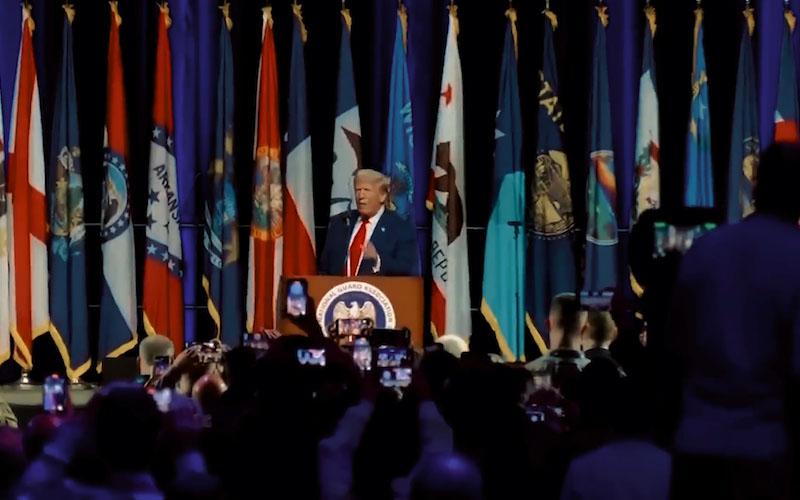
Dual-track approach: Abu Dhabi negotiations and Brussels consultations proceeding simultaneously.
In addition to the Abu Dhabi talks, US negotiators will hold working-level meetings this week in Brussels with representatives from France, Germany, the UK, the EU, and NATO, focusing on security guarantees for Ukraine, the form of a future European security framework, and economic support for Ukraine's reconstruction. This simultaneous push on two tracks demonstrates Washington's attempt to advance negotiations with Moscow and Kyiv while simultaneously securing European support for the conditions necessary for a post-war arrangement. Security guarantees are likely the most difficult issue, as they determine how Ukraine will be protected from future attacks and the roles European countries and NATO will play. The inclusion of reconstruction on the Brussels agenda also indicates that discussions are extending towards economic recovery following any solution—a process requiring substantial financial investment.Implications for oil prices: credible progress will suppress risk premiums, but traders await concrete results.
For the oil market, any credible progress toward ending the conflict would boost expectations of Russian energy receiving sanctions waivers, thus suppressing risk premiums for crude oil. However, given the early stages of the process, traders may prefer to wait for concrete results before pricing in. European assets are more directly exposed to this process. Signs of progress tend to support the euro and European equities, and ease pressure on regional gas prices. Discussions on security guarantees and the future European security framework in Brussels point to continued defense commitments, which will limit the downside for European defense stocks if a ceasefire prospect emerges. Reconstruction funding negotiations provide an early, long-term signal for the European construction, infrastructure, and materials sectors.Expectation Management: With no official signals of a breakthrough, Abu Dhabi's ability to take concrete steps is attracting attention.
The official did not provide details on the expected outcomes of the two meetings, nor did he signal any breakthrough. Market attention will shift to whether the Abu Dhabi round can produce concrete steps on de-escalation or humanitarian issues. Any such steps could mark progress toward a framework for ending the conflict, while a lack of progress means the conflict and its impact on energy and European markets will remain unresolved.Editor's Summary
The simultaneous progress of the Abu Dhabi trilateral talks and the Brussels-based European consultations reflects the US strategy of promoting direct negotiations alongside European coordination. Security guarantees and reconstruction funding are the core challenges and key variables influencing market risk premiums. While oil prices have already declined, traders remain cautious. If the talks produce substantive steps toward de-escalation or humanitarian aid, it will help further suppress energy risk premiums and support European assets; otherwise, the uncertainty surrounding the conflict for energy and regional markets will persist. The overall process is still in its early stages, and the actual outcome depends on the extent of compromise among the parties on territorial, security, and long-term arrangements.Frequently Asked Questions
Q: What is the specific agenda of the Abu Dhabi talks? Why was Abu Dhabi chosen as the location? A: According to US officials, the agenda focuses on post-war security arrangements, de-escalation steps, humanitarian measures, and terms for ending the conflict. This is the second time the two sides have met under US mediation. Abu Dhabi, as a neutral location, facilitates meetings between representatives of all parties while avoiding the tense atmosphere of directly related areas. Previous technical discussions have laid the groundwork, but this time it has been elevated to a higher level. The choice of this location also reflects the consensus among the parties in seeking space for pragmatic dialogue. The market's focus is on whether verifiable de-escalation or humanitarian progress can be achieved, rather than an immediate comprehensive agreement. Q: What is the difference between the Brussels track and the Abu Dhabi talks? Why is a dual-track approach necessary? A: The Abu Dhabi talks are a direct trilateral meeting between the US, Ukraine, and Russia, focusing on core terms for ending the conflict; Brussels is a working-level consultation between the US and France, Germany, the UK, the EU, and NATO, focusing on security guarantees for Ukraine, the European security framework, and economic reconstruction support. This dual-track approach demonstrates that the US is both pushing for negotiations with the parties involved and seeking European support for post-war arrangements. Security guarantees are particularly critical because they determine Ukraine's future defense capabilities and its role within NATO and Europe. Reconstruction funding involves long-term economic investment. This division of labor helps create complementarity between direct negotiations and allied coordination, reducing the risk of unilateral actions. Q: What impact might the talks have on oil prices and the European energy market? A: Credible progress toward ending the conflict would increase expectations of eventual sanctions waivers for Russian energy, thus suppressing oil risk premiums. Brent crude is currently around $104 per barrel, having already retreated, but traders are still awaiting concrete results. European gas TTF prices are in the €90-100 per megawatt-hour range; easing signals help alleviate supply pressures. European assets are more sensitive to progress: signs of progress typically support the euro (currently around 1.12 against the dollar) and the Stoxx 600 index (around 649 points), limiting downside for defense stocks. Reconstruction-related discussions benefit the construction and infrastructure sectors. Overall, the talks are still in their early stages, and pricing will be highly dependent on concrete outcomes. Q: Why is security considered the most difficult issue? A: Security guarantees are directly related to how Ukraine can prevent future attacks and the role European countries and NATO will play. It involves core issues such as long-term military support, potential guarantee mechanisms, and the size and status of the Ukrainian army, where the two sides have significant differences in their positions. In previous discussions, Ukraine emphasized strong guarantees and funding for sustained military operations, and these arrangements need to be aligned with the European security framework. The Brussels-bound track specifically addresses this issue to coordinate the positions of allies. A lack of consensus will hinder a comprehensive agreement, making it both a difficult point in negotiations and a key indicator for the market to assess long-term stability. Q: What signals have been released by officials so far? How should the market interpret the expected progress? A: Officials have not provided details of expected outcomes or signaled a breakthrough. Attention is focused on whether Abu Dhabi can produce concrete steps on de-escalation or humanitarian issues. Any such steps could mark progress on the framework, while a lack of progress means the conflict and its impact on energy and European markets will continue. Recent developments following localized humanitarian ceasefires show that there is still a gap between diplomacy and battlefield reality. The market should remain cautious and price based on actual results rather than expectations. The dual-track approach shows that diplomatic efforts are ongoing, but the early stages mean that volatility may still be significant.- Risk Warning and Disclaimer
- The market involves risk, and trading may not be suitable for all investors. This article is for reference only and does not constitute personal investment advice, nor does it take into account certain users’ specific investment objectives, financial situation, or other needs. Any investment decisions made based on this information are at your own risk.