The Federal Reserve's reduction in the number of interest rate votes means a smaller window for rate cuts, and borrowing costs may remain high for longer.
2026-11-03 10:24:25
After keeping the benchmark interest rate unchanged last week, Federal Reserve Chairman Kevin Warsh announced plans to reduce the number of interest rate votes over the next two years. Industry experts believe this adjustment may prolong the period during which ordinary people wait for borrowing costs to fall, and will have a ripple effect on household credit cards, mortgages, and other forms of credit.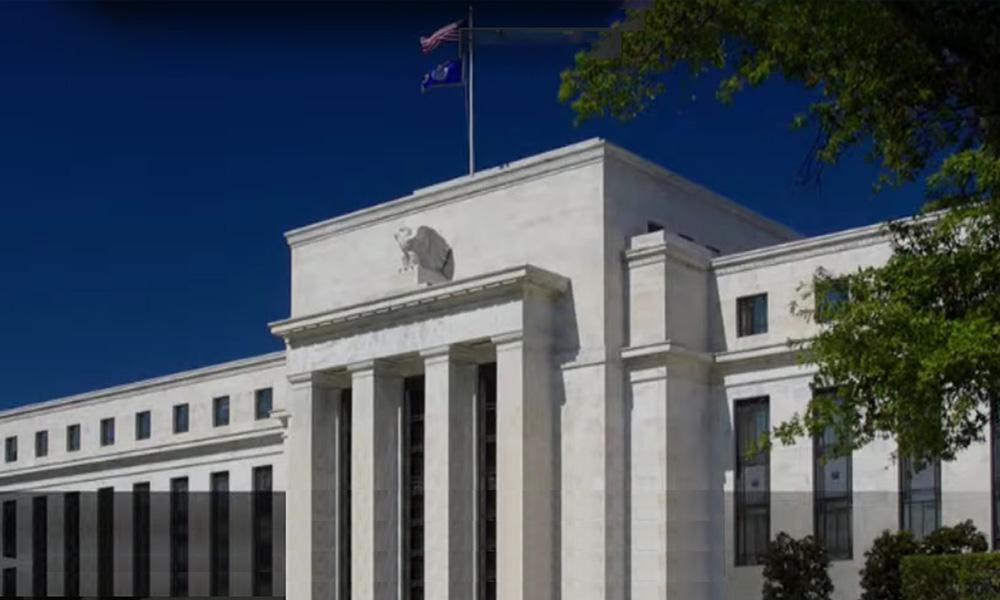
This interest rate decision and new meeting arrangements
The Federal Reserve voted at the end of October to maintain the benchmark interest rate in the target range of 3.75% to 4%, with inflation still significantly above the policy target of 2%. Policymakers are still weighing the next path. At the post-meeting press conference, Warsh stated that the Fed will still hold eight meetings throughout the year, but starting next year, one of those meetings will no longer involve a rate vote or a post-meeting policy statement. By the year after, this number will increase to two, leaving only six meetings where interest rates can be adjusted regularly; emergency meetings are not subject to this restriction. James Vrachas, executive director of consulting firm PostOak Group, stated that the reduced number of Fed voting meetings in 2027 means that consumers will have to wait longer for policy easing when borrowing costs remain high. The Fed's policy transmission chain is long and will indirectly affect the pricing of mass-market credit products such as credit cards, mortgages, and auto loans.Current state of the credit market: Credit card interest rates buck the trend and rise.
Most credit cards use floating pricing linked to a preferential interest rate, which fluctuates with the Federal Reserve's benchmark interest rate. Data from lending platform LendingTree shows that even with the Federal Reserve holding rates steady, credit card interest rates are still slowly rising. Matt Schulz, chief credit analyst at LendingTree, stated that in the face of persistently high daily expenses and inflation, card issuers are proactively hedging against risk and preventing cardholder delinquency or default. Schulz added that card issuers are historically cautious about lowering interest rates; unless the Federal Reserve sends a clear signal, they will only make minor adjustments on a daily basis, with significant rate changes only occurring when policy shifts. Jordan Ricciardi, senior wealth strategy assistant at UBS, believes that fewer meetings to adjust interest rates amplify the uncertainty of borrowing costs, affecting those planning to buy a home, refinance a mortgage, or obtain a business loan, thus reducing the Federal Reserve's regular window for responding to economic changes.High lending rates persist, and the asymmetric interest rate transmission is the core pain point.
James Fratzs further analyzed that even if economic fundamentals improve, fewer opportune moments for interest rate cuts will mean that lending rates may remain high for longer. Financial institutions can adjust credit pricing independently based on market conditions, unconstrained by the Federal Reserve's meeting schedule, but many residents will still bear the burden of high interest rates on mortgages, car loans, and credit cards in the short term. He emphasized that what consumers should really worry about is not the reduced number of meetings, but rather that lending institutions are quick to raise interest rates but very slow to lower them.Policy communication is becoming more converging, but depositors still have opportunities to earn returns.
Economists noted that this adjustment was accompanied by a contraction in forward guidance, leading to a decrease in the transparency of the Federal Reserve's policy signals. Mark Hamrick, an economic analyst and founder of the weekly magazine *The Hamrick Brief*, stated that the current economic environment is more complex, with wider information dissemination channels, but Warsh is more restrained in his policy statements compared to previous Fed chairs. Hamrick said that simply reducing the number of voting sessions will not directly alter market interest rates, but the public has fewer opportunities to obtain official policy interpretations. He also suggested that the best approach for consumers right now is to compare prices from various sources and focus on selecting high-yield savings accounts and certificates of deposit. Bankrate data shows that in an environment where interest rates remain high, some online high-interest savings accounts can offer annualized returns of over 4%, making this a rare benefit for savers.Conclusion
The Federal Reserve's tapering of interest rate voting meetings is essentially an adjustment in the pace of policy communication. Short-term expectations for interest rate cuts are further delayed, and the pattern of pressure on the lending side and benefits on the savings side may continue. The pace of decline in household credit costs will depend more on banks' willingness to reduce interest rates.- Risk Warning and Disclaimer
- The market involves risk, and trading may not be suitable for all investors. This article is for reference only and does not constitute personal investment advice, nor does it take into account certain users’ specific investment objectives, financial situation, or other needs. Any investment decisions made based on this information are at your own risk.