Energy inflation is forcing policy tightening; the Bank of England may begin a rate hike cycle this week.
2026-11-03 10:42:26
Institutions predict that the Bank of England will hold a policy meeting on November 5 and start raising interest rates. If energy prices do not fall significantly, there is a high probability of another rate hike in February next year. However, the market's current pricing of the Bank of England's rate hike expectations has become extreme. Policy direction, voting results and forward guidance all affect the pound and UK bond markets.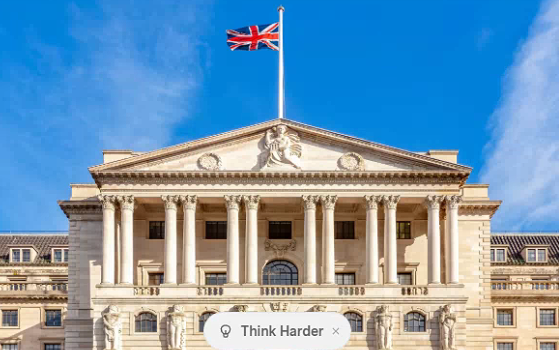
Rising energy prices are driving up inflation, forcing the Bank of England to intervene.
Since the escalation of the Middle East conflict, the Bank of England has been holding back interest rate hikes, but this situation is about to change. Previously, the Bank of England adopted a "wait-and-see" strategy, having planned to cut rates by more than 50 basis points this year. The pause in rate cuts itself constituted a de facto tightening of policy, roughly equivalent to the European Central Bank's two increases in deposit rates. However, the continuously deteriorating energy situation has narrowed the room for maneuver. Soaring natural gas prices, coupled with the expected increase of approximately 25% in the residential energy price ceiling in January, will likely lead to a renewed rise in inflation during the winter. Institutions predict that the UK's overall CPI will slightly exceed the key threshold of 4% at the beginning of next year, a trend reflected in the Bank of England's updated forecast report. The Bank of England's July forecast was based on the assumption that oil prices would be below $80 per barrel and natural gas prices would be only half of their current levels, at which time it projected inflation to fall to 3.2% by the end of 2026. Now, with energy prices rising sharply, the upside risk to inflation has significantly increased. 4% is a warning line that the Bank of England takes very seriously. Past research by the bank has shown that once inflation exceeds this level, it is more likely to trigger a second round of inflation. This is also the core consideration for officials when considering raising interest rates to avoid risks.The fundamentals are not yet overheated, and the interest rate hike is a precautionary measure.
It's worth noting that the second round of inflation transmission effects that the market is currently worried about have not materialized. Excluding fuel oil, inflation trends have largely aligned with July expectations. Even though inflation in energy-intensive categories has declined somewhat this year, inflation in core services has remained stable. UK private sector wage growth remained at 3.4% year-on-year, without creating strong upward pressure on wages. While the job market shows signs of stabilization, there are no signals of sustained wage increases. The UK economy is performing better than expected, and the Bank of England has always maintained a cautious approach to GDP data, preferring to refer to soft indicators such as economic climate surveys. This makes this interest rate hike somewhat unusual; it is not driven by endogenous economic overheating, but rather by a preventative measure to hedge against the tail risk of inflation from soaring energy prices.Three key points to watch at the interest rate meeting: the wording of the forward guidance is crucial.
The market anticipates a likely 7-2 vote in favor and 2 against, with two dovish members, Swati Dhingra and Alan Taylor, dissenting. Governor Andrew Bailey is not a vocal advocate for rate hikes; he has only voted against rate increases twice since 1997, both during the financial crisis. Sarah Breeden is the most likely candidate to vote against rate hikes, while Dave Ramsden is less likely to object. Forward guidance is the key focus of this meeting. In a neutral scenario, the Bank of England's statement will remain ambiguous, not locking in the path of future rate hikes, but emphasizing that it will assess the extent to which energy price increases are transmitted to wages and prices, with the pace of future rate hikes depending on the inflation outlook. A hawkish version would signal the need for further policy tightening in the coming months; a dovish version would clarify that rate hikes will only continue if the second round of inflationary effects is confirmed to be ongoing. In addition, the individual opinions of each committee member in the meeting minutes are also worth noting. Chief Economist Huw Pill is a hawk, but he recently stated that the market's pricing of multiple rate hikes is unrealistic.The subsequent developments of the pound and the interest rate market
The explanatory power of current global factors on the intraday fluctuations of the pound sterling interest rate has diminished. The adjustment of dovish expectations from European and American central banks has not led to a synchronized decline in UK interest rates, with the better-than-expected performance of the UK economy providing support. Although the market has already priced in more than 100 basis points of rate hike potential, this meeting is unlikely to completely reverse these expectations. However, the pound has already benefited from strengthened rate hike expectations, coupled with positive UK economic data, improved fiscal policy, and easing relations with the EU. Speculative funds still hold a large number of short positions in the pound, providing a basis for continued short-term strength. The euro has fallen nearly 4% against the pound in just over a month and may enter a consolidation phase in the short term. However, with energy prices supporting rate hike expectations and the French fiscal crisis remaining unresolved, the pair has not yet confirmed a bottom.Conclusion
A preventative interest rate hike triggered by energy risks is imminent, but the Bank of England will carefully control its wording to avoid the market making aggressive bets on rate increases again. Volatility in the pound and UK bonds will continue to revolve around evidence of inflation transmission and the central bank's statements.- Risk Warning and Disclaimer
- The market involves risk, and trading may not be suitable for all investors. This article is for reference only and does not constitute personal investment advice, nor does it take into account certain users’ specific investment objectives, financial situation, or other needs. Any investment decisions made based on this information are at your own risk.