













After the midterm elections, will the US and Iran move towards negotiations or military escalation?
2026-11-03 15:58:26
At the start of the week, renewed optimism in the market that the US and Iran might finally be close to a diplomatic breakthrough pushed oil prices down sharply on Monday. But fast forward to Tuesday (November 3rd), and the situation was almost back to square one. Does this sound familiar? For nearly seven months, the market has been processing similar news. The latest statements from senior Iranian officials to the media indicate that if the US wants the Strait of Hormuz to reopen, Tehran's conditions must be met, and nuclear negotiations can only proceed afterward; Iran is prepared to respond strongly to any US strikes, both regionally and internationally; and mediators are working to narrow the differences between Tehran and Washington. This is clearly not the language of a handshake between the two sides. 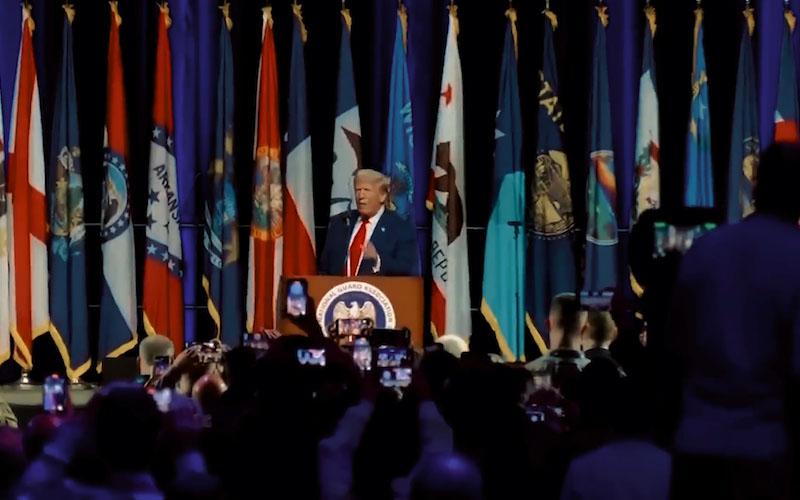
The crux of the matter remains unchanged: the US will not accept the condition of meeting certain conditions before reopening the Strait.
The core of the issue remains unchanged. Iran insists that its conditions must be substantially met before the Strait of Hormuz can be reopened, including lifting the blockade of Iranian ports, lifting related oil sanctions, unfreezing frozen assets, ending hostilities on all fronts, and acknowledging the new shipping route arrangement negotiated with Oman. The US, on the other hand, has made it clear that it is unwilling to fully accept these preconditions, and both sides are deadlocked on key demands. Although mediators such as Qatar and Pakistan have continued to shuttle between the two sides, promoting intensive indirect contacts, the current efforts have only reached the level of "trying to narrow differences," and there is still a significant gap to reach a truly enforceable agreement. The market has repeatedly experienced a similar cycle in recent months: diplomatic signals briefly boost sentiment, only to quickly fall back when the conditions are not met. Neither side has shown the willingness to make substantial concessions needed to break the deadlock, thus the stalemate continues.Market Implications: Geopolitical risks have not disappeared, and Monday's sharp decline lacked real support.
For the market, this situation clearly confirms that underlying geopolitical risks have not truly subsided. Monday's sharp drop in oil prices reflected traders' rapid pricing in and hopes for a possible easing of tensions, rather than actual progress. The reality is that the bargaining over restrictions and conditions related to the Strait of Hormuz continues, and the situation has not yet reached a point where a full-blown risk premium can be supported. The oil price decline reflects more of an emotionally driven optimistic expectation; once official statements return to a hardline tone such as "conditions must be met first" or "prepared for a strong response," the previously priced-in easing premium will face a rapid correction. Therefore, the energy market must remain highly vigilant; any fluctuations in diplomatic signals could potentially push up volatility and risk premiums again.Post-election: Will diplomacy produce tangible results, or will military escalation return to the forefront?
There has been considerable discussion among markets and observers regarding potential changes following the US midterm elections. The real test will unfold after the vote results are in – closely watching whether Trump will take more decisive action post-election to achieve concrete diplomatic results, or whether the threat of military escalation will resurface. Given the market's existing understanding of Trump's style, the latter is not insignificant. If diplomatic channels fail to translate into verifiable steps in the short term, the escalation risks temporarily suppressed by the election window may quickly resurface, creating new shocks to energy supplies and global market sentiment.Editor's Summary
The US-Iran standoff over the Strait of Hormuz remains in a stalemate of prioritizing conditions and refusing to compromise. Monday's sharp drop in oil prices reflects more short-term sentiment than a fundamental shift. Geopolitical risk premiums have not yet subsided, and post-election policy choices will be a key variable determining market direction. Investors need to continuously monitor the gap between the progress of mediation and actual actions, avoiding over-pricing of optimistic expectations.Frequently Asked Questions
Q: Why did oil prices fall sharply on Monday, followed by a pullback? A: Brent crude fell more than 7% on Monday, mainly because the market reacted to the frequent indirect contacts between the US and Iran, and signals from Trump and Iranian officials that a "possible agreement" was possible. Traders quickly priced in a potential easing of supply risks. However, Iran subsequently made it clear that conditions must be met first, nuclear negotiations could only be postponed, and that it was prepared to respond strongly, leading to a lack of substantial support for the easing expectations and a pullback. Similar "hope-disappointment" cycles have repeatedly occurred over the past seven months, showing that the market is highly sensitive to geopolitical signals, but the underlying stalemate remains unbroken, making it difficult for risk premiums to dissipate sustainably. Q: What are Iran's specific conditions for reopening the Strait of Hormuz? Why is the US finding them unacceptable? A: Iran's conditions mainly include: lifting the port blockade, canceling oil-related sanctions, unfreezing assets, ending hostilities on all fronts, and recognizing the new shipping route arrangement with Oman. Iran demands that these conditions be met before reopening the strait and initiating nuclear negotiations. The US believes that some of these demands exceed what is currently acceptable, especially those involving adjustments to sanctions and military presence, which could weaken its strategic leverage. The two sides have fundamental differences on priorities and trust, and while mediation is underway, the core gaps have not yet been bridged. Q: Why is the Strait of Hormuz so important to the global oil market? A: The strait is a key passage for Persian Gulf oil exports, with about one-fifth of the world's seaborne crude oil passing through it. Any substantial restrictions would drive up transportation costs, delay supply, and amplify risk premiums. Even if actual flows partially recover through alternative routes, the market remains highly sensitive to potential escalations, leading to significantly amplified oil price volatility. The current stalemate directly relates to supply security and the price center. Q: How will the US midterm election results affect the subsequent situation? A: The election results will affect the Trump administration's policy freedom and domestic political constraints. If diplomacy fails to translate into verifiable steps after the election, market concerns may resurface regarding military options; conversely, if there are signs of substantial concessions, risk premiums are expected to decline further. Historical experience shows that policy shifts under Trump's style can be rapid, therefore, statements and actions in the weeks following the election will be a key observation window. Q: How should investors respond to the current uncertainty in the oil market? A: We suggest focusing on concrete actions rather than mere diplomatic rhetoric, and distinguishing between sentiment-driven factors and fundamental changes. Track data on cross-strait navigation, the implementation of sanctions, and progress in mediation efforts, while also paying attention to inventory and demand-side factors. Risk premiums persist, making position management and the use of hedging tools particularly important to avoid chasing highs and lows amidst conflicting signals. In the long term, supply security and policy divergence will continue to dominate the central price level for oil.- Risk Warning and Disclaimer
- The market involves risk, and trading may not be suitable for all investors. This article is for reference only and does not constitute personal investment advice, nor does it take into account certain users’ specific investment objectives, financial situation, or other needs. Any investment decisions made based on this information are at your own risk.

