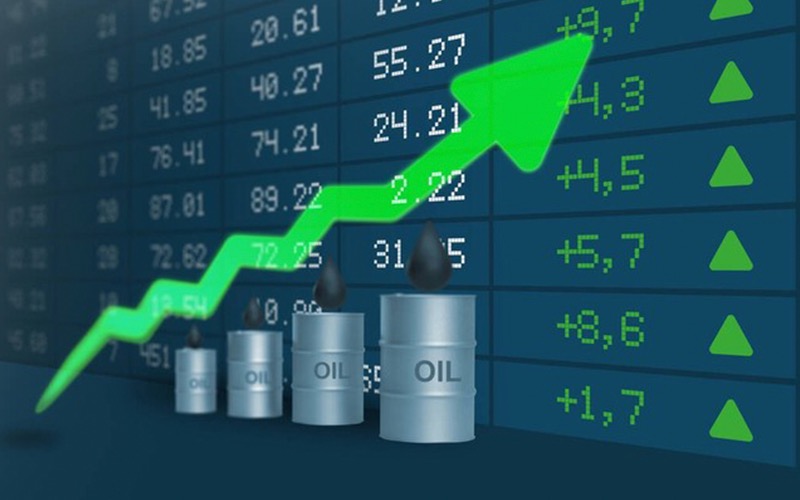
Institutions: Election-related gains support gold prices, while oil prices and interest rate hike expectations continue to exert downward pressure.
2026-11-10 13:12:29
Heraeus analysts pointed out that gold and silver continued their strong performance driven by the Democratic Party's landslide victory in last week's US midterm elections, but will face pressure from rising oil prices and increasing expectations of a Federal Reserve interest rate hike. Prior to this rebound in precious metals, both gold and silver prices had hit year-to-date lows, while central bank gold purchases have provided long-term support for gold prices.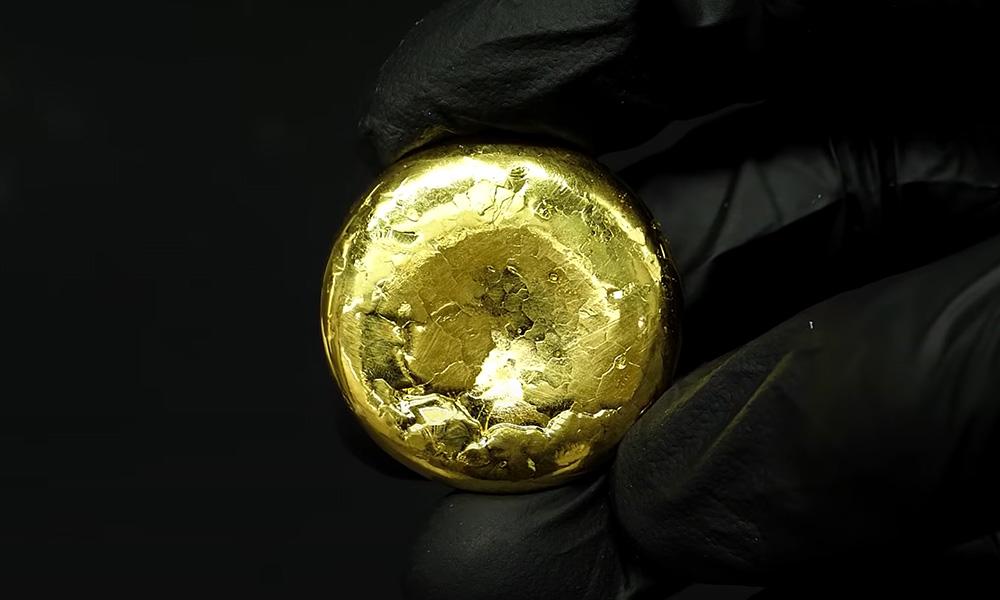
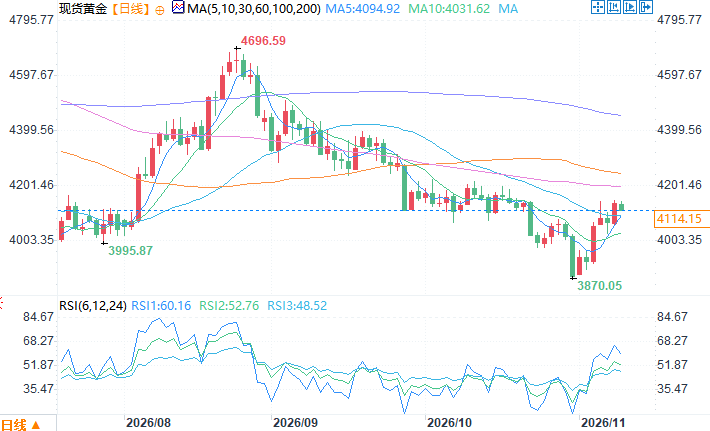 Spot gold daily chart source: FX678. At 13:10 Beijing time on November 10th, spot gold was trading at $4111.55 per ounce.
Election-related gains fueled a gold price surge, but two major negative factors remain.
Spot gold prices experienced a deep correction before this rebound, falling more than 15% from their late August highs, briefly dipping below $3,900 per ounce and breaking through the June low of $3,950. After the Democrats won control of both the House and Senate, gold prices saw their biggest single-day gain since August, quickly recovering the $4,000 mark. The market had previously bet that Democratic control of Congress would accelerate the resolution of the conflict related to Iran. Brent crude oil prices plummeted nearly 9% on November 4th, but the US-Iran conflict continued, and oil prices rebounded in the following two days, closing above $95 per barrel. Moreover, the new Congress will not officially take office until January next year. Meanwhile, October's non-farm payroll data significantly exceeded expectations, with 165,000 new jobs added, far exceeding the expected 65,000. The market priced in a 79% probability of a Fed rate hike in December, and the tightening expectations continued to put downward pressure on precious metals.The central bank accelerated its gold purchases, continuing to diversify its reserves by maintaining high-level investments.
Global central bank gold purchases accelerated significantly in the third quarter. The World Gold Council estimates that central banks and official institutions worldwide added a total of 321 tons of gold in the third quarter, a 42% increase year-on-year, significantly higher than the five-year quarterly average of 227 tons. Cumulative gold purchases in the first nine months of 2026 will reach 675 tons, 6% higher than the same period last year. However, only 120 tons of purchases are publicly traceable. Major Asian countries and Poland were the main contributors to disclosed purchases, adding 63 tons and 40 tons respectively, while Kazakhstan and Uzbekistan each added 14 tons. During the second and third quarters, as gold prices fell from their first-quarter highs, central banks continued to increase their holdings. Even at historically high gold prices, the strategic need for reserve diversification remained the core driver of gold purchases.Silver's rebound from its lows has been weak, with leading mining companies producing less than in previous years.
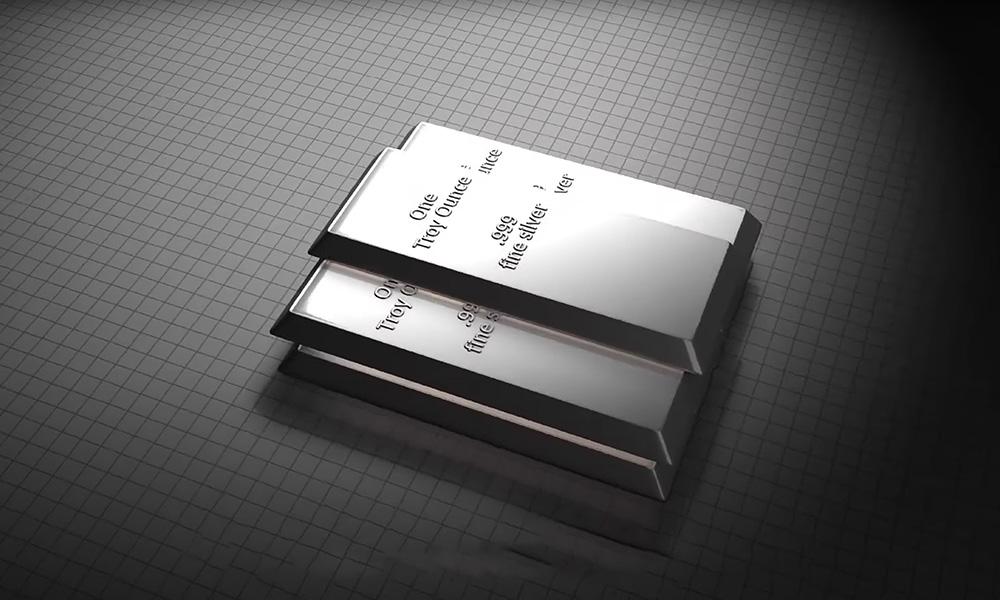
Silver also bottomed out, with prices briefly dipping below $49 per ounce, a new low for 2026, before rebounding to above $52. However, it remains significantly below the trading range of June and July, and this rebound has only recovered a small portion of the previous losses. Hecla, a leading North American primary silver mining company, produced 4.17 million ounces of silver in the third quarter, a slight change from the previous quarter but a 9% year-on-year decline. While production declined at its Greenscreech and Lucky Friday mines, a significant improvement in ore grades at its Kenohir mine led to a 54% quarter-on-quarter increase in production to 963,000 ounces, partially offsetting the impact of production cuts. The company's full-year production is projected at 16.1 million ounces, representing approximately 1.9% of global mined silver supply.Conclusion
The expectation of fiscal easing following the Democratic victory is the core catalyst for this round of gold and silver rebound, but rising oil prices and the high probability of a Fed rate hike in December are short-term suppressive factors. Central bank gold purchases are providing long-term support for gold prices, while silver's rebound has been weak, coupled with declining mining output; the subsequent divergence in market performance warrants continued monitoring. Spot gold daily chart source: FX678. At 13:10 Beijing time on November 10th, spot gold was trading at $4111.55 per ounce.
- Risk Warning and Disclaimer
- The market involves risk, and trading may not be suitable for all investors. This article is for reference only and does not constitute personal investment advice, nor does it take into account certain users’ specific investment objectives, financial situation, or other needs. Any investment decisions made based on this information are at your own risk.