What was the core driver behind the nearly 25 basis point drop in gilt bonds following John Healy's first budget?
2026-11-10 21:30:30
On Tuesday, November 10th, the yield on 10-year UK gilts fell nearly 25 basis points since the autumn budget announcement on October 28th, currently hovering around 5.13%. This trend is compounded by the global factor of a significant drop in Brent crude oil prices from their October highs to around $90 per barrel, as well as the demand for capital reallocation due to increased stock market volatility. Deutsche Bank's research team noted that gilts have seen an additional decline of approximately 12 basis points relative to US and German Treasuries, maintaining relative resilience even after the Bank of England's interest rate hike last week. 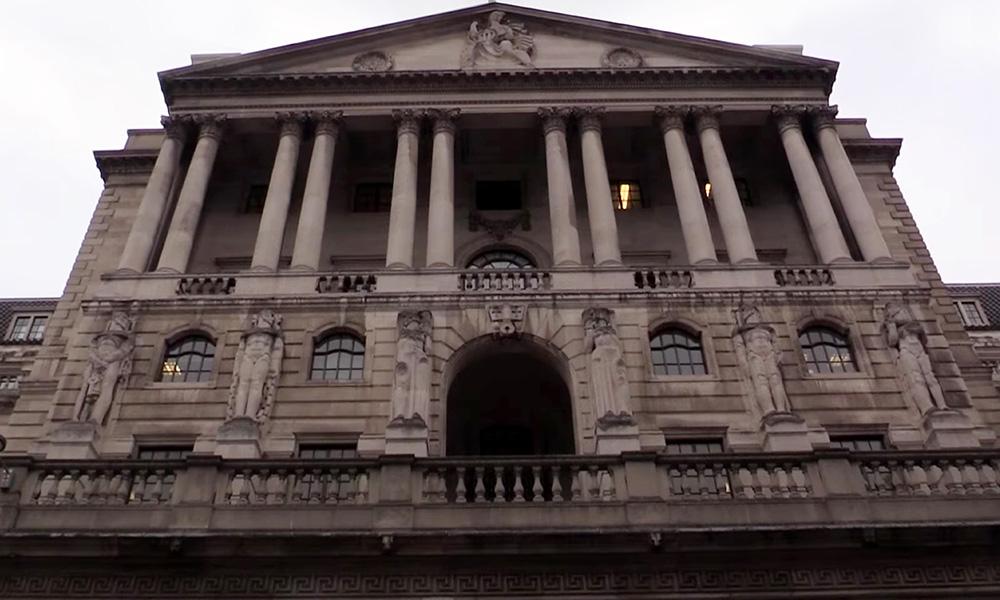
Market pricing following the UK budget
On October 28, Chancellor of the Exchequer John Healy announced the first autumn budget. The buffer under the medium-term fiscal rules was set at approximately £15 billion, largely in line with market expectations, but slightly narrower than the spring forecast. The Debt Management Office simultaneously increased the issuance target for gilts in the 2026/27 fiscal year to £250.6 billion, an increase of £4.4 billion from the previous plan, while further reducing the proportion of long-term bonds. The market reacted relatively restrainedly, with yields declining on the day of the announcement and continuing to fall over the following two weeks. Analysts believe that the budget did not exceed the pre-budget baseline in terms of fiscal position buffer, near-term consolidation pace, and total issuance, reducing additional supply-side disruptions and laying the foundation for future relative performance.Global oil prices and volatility drivers
Global factors dominated the decline in yields. Amid the ongoing conflict in the Middle East, Brent crude oil prices have weakened significantly recently, falling from a high of over $110 in October to around $90 currently, easing pressure from rising inflation expectations. Deutsche Bank analysts Schreas Gopal, Sanjay Raja, and Maui Brennan noted that lower oil prices and increased stock market volatility jointly contributed to the decline in borrowing costs. In contrast, gilts saw an additional decline of about 12 basis points, partly due to the budget meeting three key benchmarks of the pre-budget. This relative advantage was evident both before and after the Bank of England meeting, demonstrating the combined effect of global factors and local fiscal arrangements.Bank of England interest rate hikes and relative resilience
On November 5th, the Bank of England's Monetary Policy Committee voted 8-1 to raise the benchmark interest rate by 25 basis points to 4%, with one member supporting a 50 basis point increase. The meeting was more hawkish than expected, primarily due to inflationary pressures from rising energy prices and stronger-than-expected activity data. On the day of the meeting, gilt yields rose about 5 basis points relative to their peers, but this relative advantage quickly recovered. Deutsche Bank believes that even with the 5 basis point rise in UK bond yields following last week's meeting, the overall relative performance over the past two weeks remains noteworthy. The Chancellor of the Exchequer is expected to be satisfied with the market reaction, although not as much as it was after last year's budget. This process reflects that the stability of the fiscal framework partially offset the short-term shock of policy signals.Impact of fiscal framework and issuance structure
The Debt Management Office's issuance adjustments continued the trend of favoring short-term bonds. The proportion of long-term bonds (15 years and older) fell below 7%, the lowest level since 1990, reflecting market sensitivity to duration supply and demand preferences in a volatile environment. Net financing needs were revised upward to approximately £258.6 billion, primarily achieved through a combination of auctions, syndicated issuances, and short-term Treasury bills. This structure helps reduce upward pressure on long-term yields and provides relative support for gilts in the global interest rate environment. These arrangements have been priced into by the market, resulting in no significant disruption to the supply side of the yield curve.Frequently Asked Questions
Question 1: Why did gilt-faced bond yields outperform global peers after the budget? Answer: This was mainly due to the budget's alignment with market expectations regarding fiscal positioning, near-term consolidation, and total issuance. This, coupled with support from falling global oil prices and increased stock market volatility, led to an additional drop of approximately 12 basis points. Question 2: How did the Bank of England's interest rate hike affect relative performance? Answer: Yields rose by 5 basis points on the day of the meeting, but the overall two-week trend still showed a relative advantage, indicating that fiscal factors partially offset the hawkish policy signals. Question 3: What are the implications of the current issuance structure adjustments for the market? Answer: The significant decrease in the proportion of long-term bonds to historically low levels reduces duration supply pressure and helps stabilize the yield curve shape in a volatile environment.- Risk Warning and Disclaimer
- The market involves risk, and trading may not be suitable for all investors. This article is for reference only and does not constitute personal investment advice, nor does it take into account certain users’ specific investment objectives, financial situation, or other needs. Any investment decisions made based on this information are at your own risk.