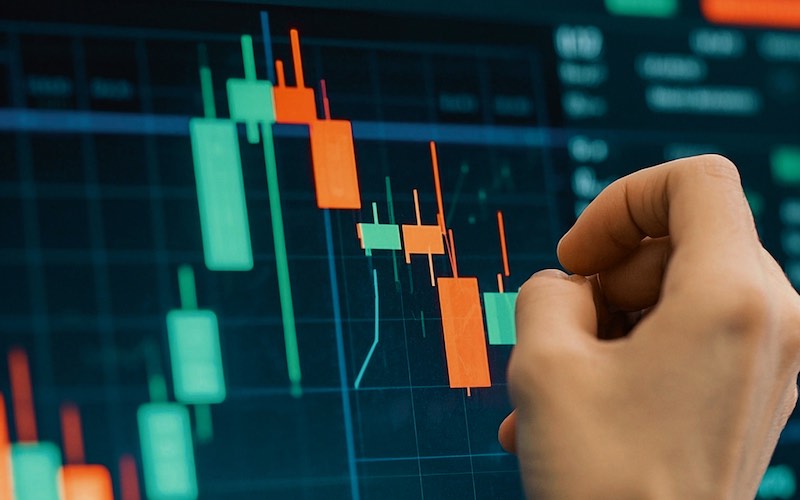
Following a series of hawkish pronouncements from Federal Reserve officials and stronger-than-expected October CPI data, a December rate hike is virtually a certainty.
2026-11-11 10:30:28
Two recent statements from Federal Reserve governors have demonstrated a stronger concern about inflation. This marks the first time officials have provided clear forward guidance and specific interest rate hike expectations during Warsh's tenure. On Tuesday (November 10), the two high-ranking Fed officials spoke publicly, combining clues about inflation, energy, and AI capital expenditures to send a tightening policy signal to the market, further disrupting global asset pricing expectations. A few hours later, the U.S. Bureau of Labor Statistics released inflation data, showing that the overall CPI rose 0.4% month-on-month in October 2026, while the core CPI rose 0.3% month-on-month, exceeding economists' expectations.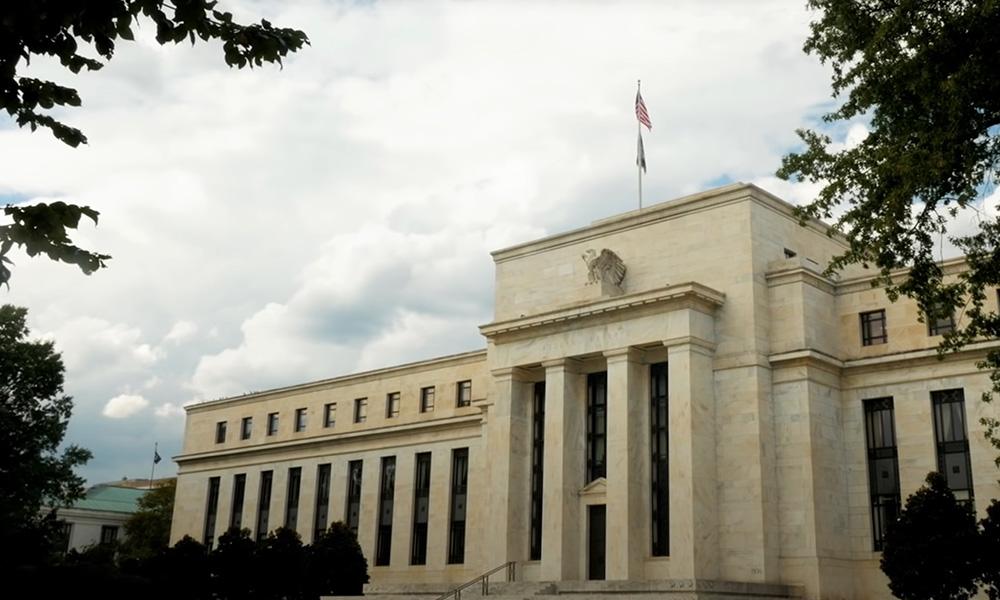
Waller issues a major warning: Inflation jeopardizes policy credibility, 50 basis point rate hike not ruled out
Speaking at the Bank of England's watchdog conference in London, Federal Reserve Governor Christopher Waller stated that persistently high inflation is damaging the Fed's policy credibility, and to maintain that credibility, a 50-basis-point rate hike in December is not out of the question. Waller said that at the last policy meeting, he supported keeping rates unchanged, based on the consideration that the committee had already signaled tightening to the market, and the financial markets had priced in subsequent tightening. He argued that with clear and credible policy communication, it was unnecessary to raise rates at every meeting. However, he also warned that if the promised rate hikes ultimately fail to materialize, the market will lower its expectations, causing rates to fall and creating an unexpectedly loose monetary environment. After assessing the overall economy and the job market, Waller focused on concerns about inflationary pressures from high energy prices and AI capital expenditures. Waller said that the Fed's internal team has been continuously studying the impact of the AI construction boom and high energy prices on inflation, and the research results do not support the idea that these two pressures will subside quickly. Text analysis of the ISM Purchasing Managers' Survey shows that relevant indicators can predict the trends of producer prices and PCE inflation, with the latest October data suggesting further upward potential for prices. Internal research within the Federal Reserve has also found that the sustainability of energy price transmission to goods and services has changed compared to before the pandemic. Waller stated that the post-pandemic inflation logic has shifted, with core inflation becoming more sensitive to energy shocks. If oil prices remain high, inflationary pressures will far exceed previous estimates, continuing into 2027. He noted that current economic activity is high and the job market is robust, but inflation is significantly above the 2% target. Even with a slight improvement in October's inflation rate, he leans towards supporting a 25 basis point rate hike in December. If the CPI is similar to the previous two months, and core CPI remains at 0.3% or higher, a 50 basis point rate hike should be considered; a mere 25 basis point hike would damage the Fed's credibility. Given that both the overall and core CPI figures released this time exceeded market expectations, Waller is highly likely to vote for a 50 basis point rate hike and lobby other members.Logan, leaning hawkish, stated that pausing rate hikes does not mean the end of tightening; at least two more rate hikes are needed.
Dallas Federal Reserve President Lorie Logan offered her views at an energy conference co-hosted by the Dallas and Kansas City Federal Reserve Banks, giving a cautious assessment of the inflation outlook. Logan stated that with persistently high inflation and a tight labor market, the Federal Open Market Committee (FOMC) has only achieved one of its dual mandates. It must tighten policy to balance the risks of inflation and employment, and the pace of adjustment needs to be timely; the longer inflation exceeds the target, the more easily it solidifies into market participants' behavioral expectations. She added that the current relatively loose monetary environment itself is fueling inflationary pressures. Logan said that after the 25 basis point rate hike in September, the October meeting chose to hold rates steady because pre-meeting market volatility was triggered by expectations of technology investment and geopolitical news. Slowing the pace helps businesses and households adapt to higher interest rates and avoids an economic slowdown. As long as the market understands the policy path, the timing of a single rate hike has a limited impact on long-term lending rates. Logan said that skipping a meeting does not mean abandoning the tightening goal. To bring inflation back to the target range, the FOMC needs at least two more 25 basis point hikes, and the pace of rate hikes this winter may be faster than in the fall.Conclusion
Two senior Federal Reserve officials have consecutively released hawkish signals, coupled with the better-than-expected CPI data, prompting the market to reprice the magnitude of the interest rate hike at the December meeting. The energy shock and the long-term inflation stickiness brought about by the expansion of AI have become variables that cannot be ignored in the Fed's policy-making, and assets such as the dollar and precious metals will continue to be affected by tightening expectations.- Risk Warning and Disclaimer
- The market involves risk, and trading may not be suitable for all investors. This article is for reference only and does not constitute personal investment advice, nor does it take into account certain users’ specific investment objectives, financial situation, or other needs. Any investment decisions made based on this information are at your own risk.