What is the logic behind the pressure on the pound sterling as UK CPI rose to 3.6% but fell short of forecasts?
2026-11-18 15:32:33
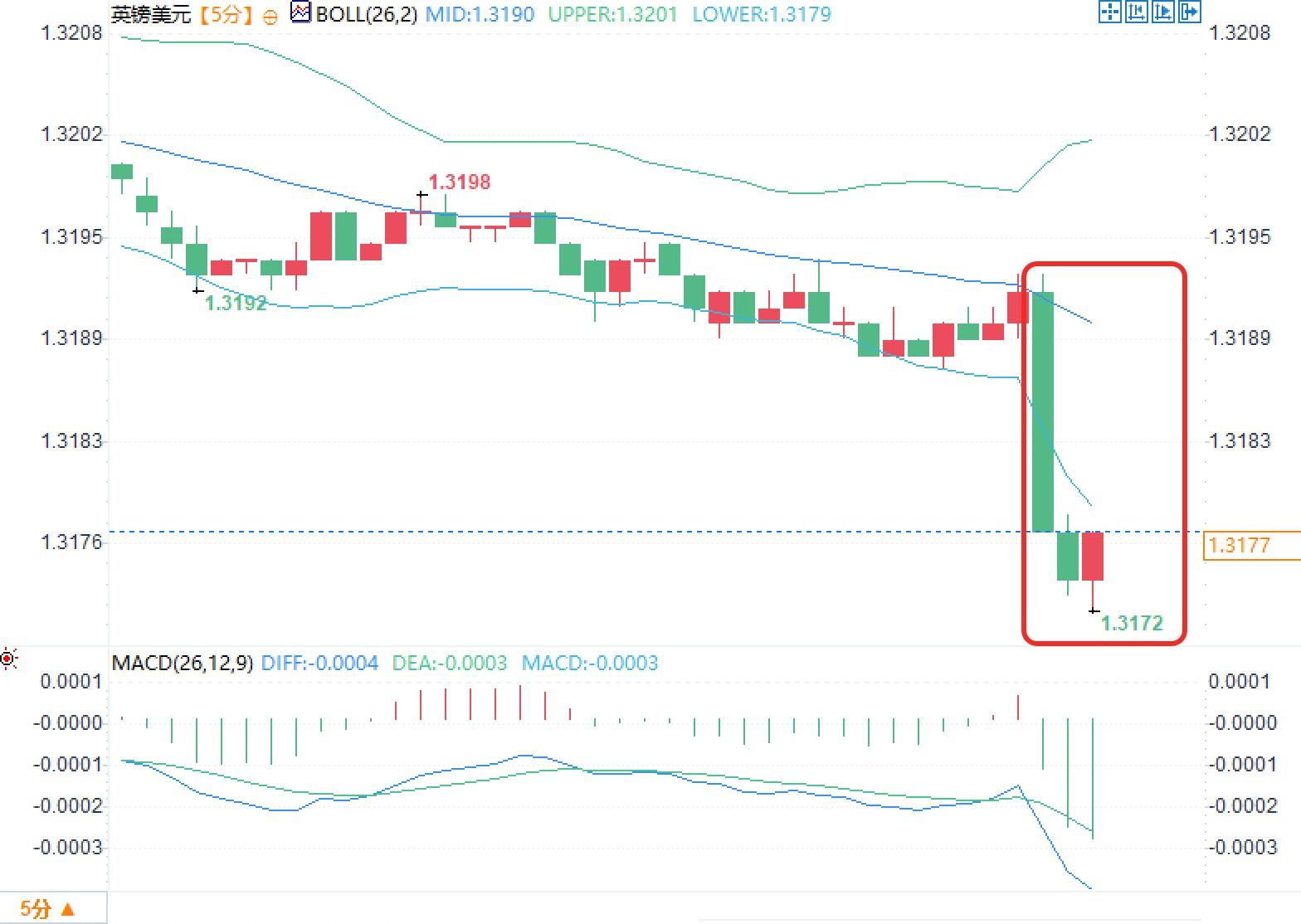
On Wednesday, November 18th, the UK Office for National Statistics released the October Consumer Price Index (CPI) data. The overall CPI rose to 3.6% year-on-year, up from 3.5% in September, but below the market expectation of 3.7%; the core CPI remained unchanged at 2.8%, in line with expectations; the services CPI was 3.7%, slightly lower than the expected 3.8%; the month-on-month increase was 0.5%, consistent with expectations. Against the backdrop of continued Middle East conflict pushing up global energy prices, the Bank of England raised its benchmark interest rate to 4% in early November and expects inflation to rise further in the coming months. Following the data release, the market focused on the relatively stable performance of services inflation, resulting in a slight repricing of the policy path and putting pressure on the pound. 
Composition and main drivers of inflation data
UK CPI rose 3.6% year-on-year in October, while CPIH (including homeowners' housing costs) rose 3.7%. Month-on-month, both CPI and CPIH were 0.5%. The transport sector, particularly motor vehicle fuel, contributed the most to the increase, with fuel prices surging year-on-year, becoming the main driver of overall inflation. The restaurants and hotels sector provided the largest downward offset, with the annual rate in this segment declining. Goods inflation accelerated from 3.2% to 3.5%, while services inflation remained at 3.7%, showing limited change. Core indicators, excluding food and energy, remained stable, indicating that volatile items had a relatively concentrated impact on the overall reading. Food and non-alcoholic beverage inflation fell to low levels, providing some buffer to the overall picture. The overall composition shows that energy-related price shocks continue to dominate recent changes, while domestic service price pressures have not yet worsened significantly.Bank of England's Policy Framework and Focus
The Bank of England considers services inflation a key indicator of domestic price pressures in the UK, as it better reflects wage and cost transmission. The stability of core and services readings provides some reference for assessing potential inflation dynamics. Previously, Bank of England Governor Andrew Bailey stated that the second-round effects are currently relatively mild, with businesses more focused on cost reductions than full cost passing; Chief Economist Hugh Peele expressed reservations about the market-priced path of multiple rate hikes, emphasizing the need for more concrete evidence; and Monetary Policy Committee member Catherine Mann pointed out that inflation is already embedded in the economy to some extent and is concerned about the risks during wage negotiations. Stable core and services data help alleviate concerns about a significant deterioration in domestic pressures, while the direct effects of energy continue to dominate overall inflation. In its November Monetary Policy Report, the Bank of England projected that inflation may rise further in mid-2027 due to energy prices, before gradually declining.Energy shocks and potential persistent risks
The Middle East conflict has persisted for months, keeping global energy prices high and directly pushing up fuel and related costs, becoming the main source of inflation since September. The Bank of England's assessment indicates that the indirect effects are currently limited, with food inflation and other sectors showing relatively mild performance. However, if energy prices remain high for an extended period, squeezed corporate profit margins could lead to further cost passing on, and the risk of a second round of effects still needs to be monitored. Relatively stable service inflation helps distinguish between direct energy shocks and endogenous pressures in the UK. Accelerated commodity inflation is mainly due to fuel, rather than a broad restart of commodity prices. Overall, the data supports the current policy stance, namely, using restrictive interest rates to ensure that energy shocks are not embedded in medium-term inflation expectations. Market pricing of the subsequent path will depend on subsequent data confirming the second round of effects.Market pricing and the performance of the pound
Following the data release, services inflation fell short of expectations while core inflation remained stable, triggering a slightly dovish repricing. The market adjusted its expectations regarding the urgency of further tightening by the Bank of England, putting pressure on the pound. Against the backdrop of the energy shock, the Bank of England raised interest rates in early November, and the market had already priced in further action in December; this data had a marginal impact on that expectation. The policy focus remains on whether services and core indicators continue to stabilize, and the transmission of energy prices to subsequent monthly readings. Overall pricing reflects an initial response to the lack of significant deterioration in domestic pressures in the UK, but the energy-driven inflation path remains a source of uncertainty.Frequently Asked Questions
Question 1: Why is services inflation a core indicator of concern for the Bank of England? Answer: Service prices are primarily determined by domestic factors in the UK, better reflecting wage growth and cost transmission, unlike commodity prices which are directly affected by global energy. Stable services readings help assess whether potential inflation is worsening. Question 2: How did energy price shocks affect the interpretation of this data? Answer: Fuel made the largest upward contribution, driving up overall and commodity inflation, while core and services remained relatively stable, indicating that direct effects dominated, and indirect and domestic pressures have not yet significantly spread.- Risk Warning and Disclaimer
- The market involves risk, and trading may not be suitable for all investors. This article is for reference only and does not constitute personal investment advice, nor does it take into account certain users’ specific investment objectives, financial situation, or other needs. Any investment decisions made based on this information are at your own risk.