Behind 4% Inflation: ECB President Pereira Warns of Winter Energy Shock Risk
2026-11-20 19:08:32
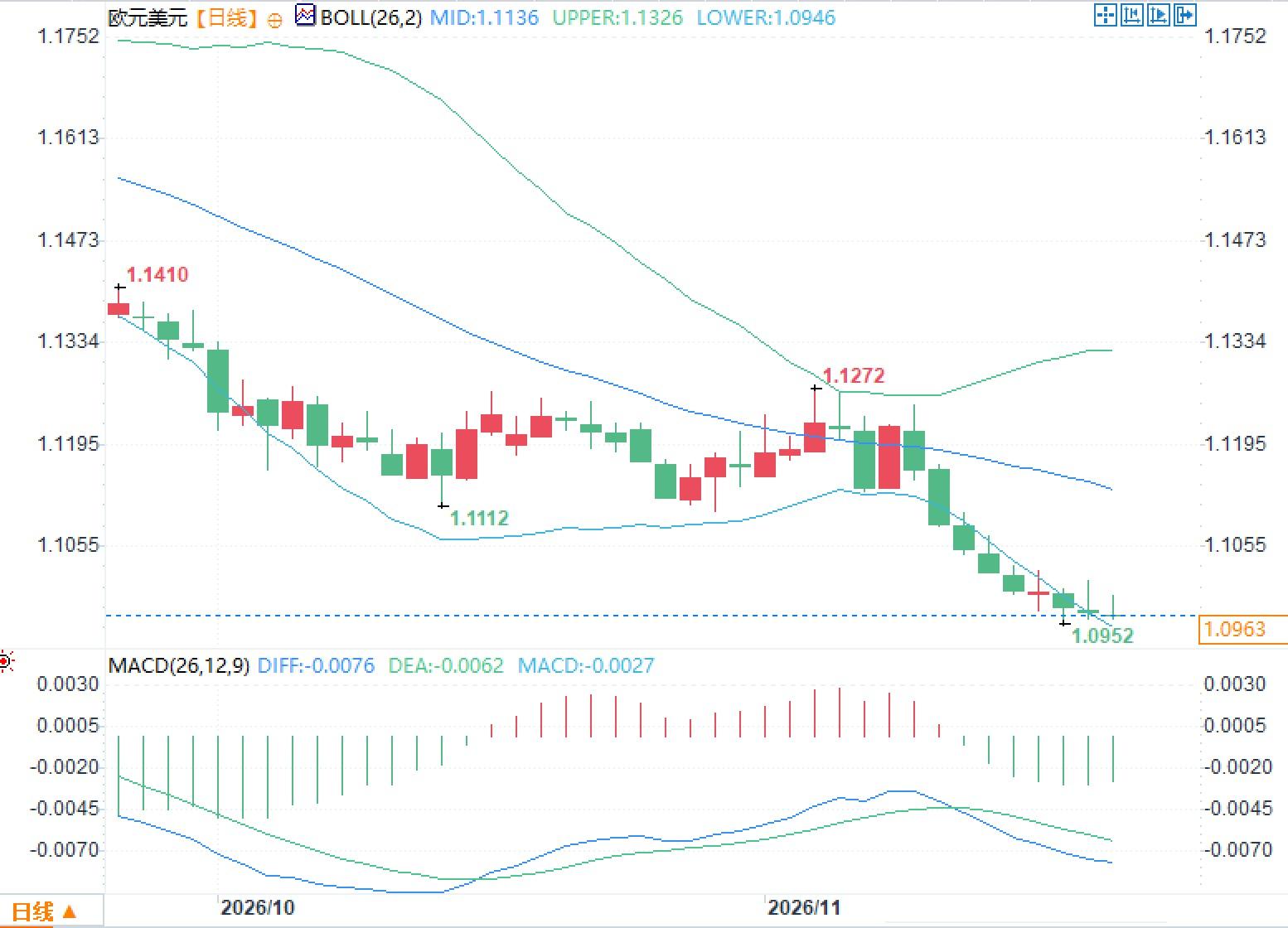
On Friday, November 20, the euro fluctuated around 1.096 against the US dollar, having recently touched its lowest level for the year. The Eurozone's Harmonized Index of Consumer Prices (HICP) for October was confirmed to have increased by 4.0% year-on-year, a further rise from 3.8% in September. The energy component saw a year-on-year increase of 21.0%, while core inflation was 2.6%. Álvaro Santos Pereira, a member of the European Central Bank's Governing Council and Governor of the Bank of Portugal, stated that upward pressure on consumer prices remains significant and is still accumulating, particularly from the impact of gas, transportation, and the broader supply chain. This statement reinforces the policy signal that price stability remains a priority. 
Eurozone inflationary pressures and official statements
Pereira clearly stated that while Eurozone inflation is relatively stable, inflationary pressures are increasing. Energy prices remain the dominant factor, with transportation costs and supply chain bottlenecks simultaneously pushing up overall prices. In October data, energy contributed the majority of the inflation increase, while services inflation remained around 3.3%, and sub-categories such as food also showed marginal acceleration. Pereira had previously pointed out that inflation has not yet spread widely to broader goods and services sectors, and signs of a second-growth effect and decoupling from inflation expectations are not yet apparent. However, if the pressure begins to spread, the central bank will be forced to take more decisive action. The current overall inflation rate of 4.0% is twice the ECB's 2% target, and the persistence of the energy shock makes it difficult for policymakers to simply view price pressures as a temporary phenomenon.Natural gas inventory risk and energy price transmission
Pereira specifically emphasized the issue of natural gas storage. As of mid-November, EU natural gas storage levels were approximately 69.8%, lower than the same period in previous years, with some member states having even lower levels. A prolonged period of low temperatures in winter could lead to supply disruptions or further price increases, which would then be passed on to electricity prices. Rising natural gas prices not only directly affect residential heating and industrial costs but also impact the overall cost structure of the service and manufacturing sectors through the electricity market. Historical experience shows that prolonged energy price shocks can easily generate secondary effects through wages and pricing behavior. Pereira pointed out that the European Central Bank has acted decisively and will continue to act to maintain price stability, directly linking storage risks to policy responses.Differences between monetary policy path and market pricing
The market widely expects the European Central Bank (ECB) to raise interest rates for the third time at its December meeting, with the deposit facility rate currently at 2.5%. Some officials have recently indicated that the rate hike cycle may continue into 2027, but there are internal disagreements regarding the subsequent path. Some policymakers believe that rising bond yields have already had a dampening effect on growth and inflation, and that further data observation is needed after the rate hike to determine the next step. Pereira's statements lean towards focusing on the continued accumulation of inflationary pressures, supporting further tightening if necessary. Energy price volatility remains a key variable; if inventory pressure materializes in the winter, it may reinforce the necessity for further policy adjustments; if prices fall, it may provide more flexibility for the subsequent path. Policymaking needs to strike a balance between controlling inflation and avoiding excessive suppression of economic activity.Eurozone economic resilience and policy balance
Despite the energy shock, the Eurozone economy has shown some resilience, with business confidence and growth prospects remaining relatively stable in some sectors. However, high energy prices continue to squeeze real incomes and corporate profits, and fiscal pressures are particularly pronounced in some member states. The ECB's core mission is to ensure price stability in the medium term, and Pereira reiterated that the central bank will continue to act decisively. Failure to control energy-driven inflation in a timely manner could affect wage negotiations and pricing expectations, thereby increasing the difficulty of subsequent policy adjustments. Market pricing in the interest rate path reflects concerns about the persistence of inflation, as well as assessments of the growth outlook. Policy communication needs to clearly convey a commitment to price stability while paying attention to the actual impact of energy market developments on the overall economy.Frequently Asked Questions
Question 1: Why did Pereira emphasize the risk of natural gas inventory? Answer: The EU's natural gas storage level is approximately 69.8%, lower than in previous years. The cold winter may push up gas and electricity prices, exacerbating inflationary pressures. Question 2: Has current inflationary pressure spread widely? Answer: Overall inflation is at 4.0%, but Pereira previously stated that there has been no significant secondary effect yet. If the pressure spreads, the central bank will act more decisively. Question 3: What uncertainties exist regarding the ECB's policy path? Answer: A December rate hike is highly anticipated, but whether it will continue into 2027 depends on the evolution of energy prices and the extent of inflationary spread.- Risk Warning and Disclaimer
- The market involves risk, and trading may not be suitable for all investors. This article is for reference only and does not constitute personal investment advice, nor does it take into account certain users’ specific investment objectives, financial situation, or other needs. Any investment decisions made based on this information are at your own risk.