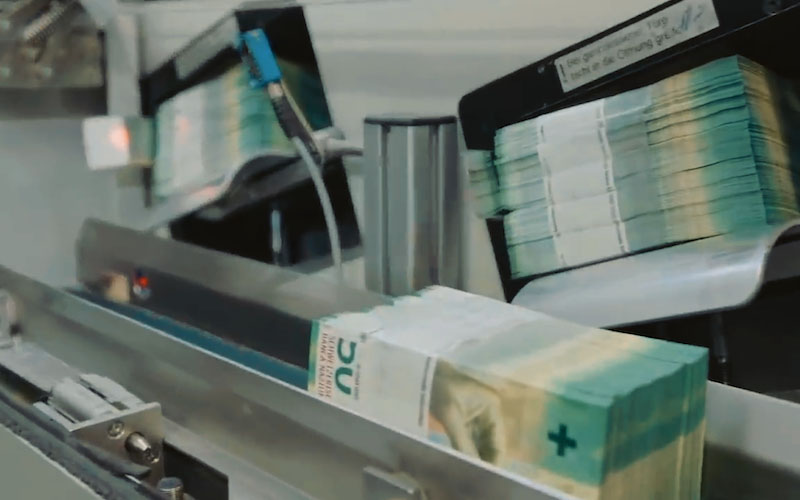
The US is eyeing Venezuela's hundreds of billions of dollars in crude oil reserves, and the industry faces market consolidation.
2026-01-08 18:19:29
On Thursday (January 8), during the Asian and European sessions, US crude oil continued its decline this week, before rebounding slightly during the New York session. It is currently trading at $56.45, up 0.09%. The Venezuelan crisis continues to unfold, and as events progress, more and more details are being revealed.
The situation in Venezuela continues to make headlines, further exacerbating pressure on oil prices. Trump stated that Venezuela will sell up to 500,000 barrels of sanctioned oil to the United States and expressed his desire for full access to Venezuela's oil resources. Analysts believe that a large amount of Venezuelan oil may enter the market, bringing long-term bearish momentum.
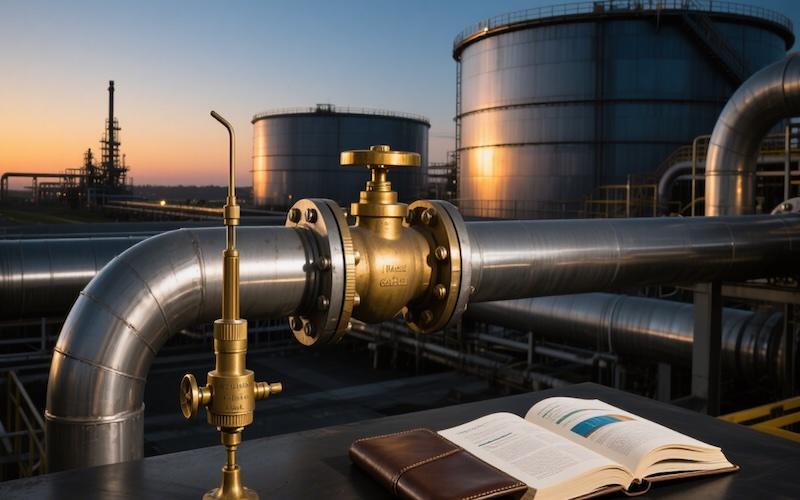
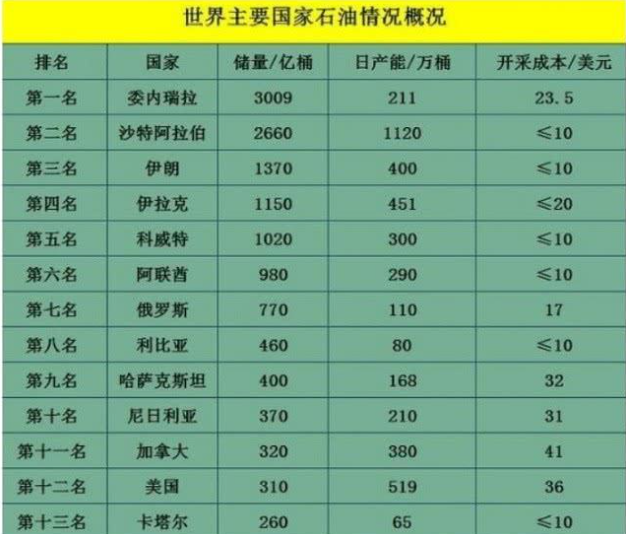
Venezuela, which possesses the world's largest oil reserves, has long been mired in a paradox regarding its energy landscape. Although its proven reserves of "extra-heavy crude oil" are the largest in the world, it is recognized by the industry as a "highly polluting resource" because its carbon intensity ranks first among 55 major oil-producing countries (according to the RMI 2024 Oil and Gas Climate Index) and its extraction and refining emissions are 1.5 times that of light crude oil (Environmental Research Letters 2018 study).
More problematic is that the country's oil industry is hampered by aging infrastructure, 46,000 leaks (official data from 2010-2016), and the world's second-highest methane emission intensity. Maintaining current production requires an additional $53 billion in investment, and revitalizing the industry would require an injection of $50 billion to $100 billion. This predicament has turned its reserves into "fruits to be picked" coveted by external forces.
The United States, disregarding international law, used forceful measures to directly break the supply deadlock of Venezuelan crude oil, triggering short-term turmoil in the international oil market.
The U.S. military first seized several oil tankers involved in the incident, then brutally arrested former Venezuelan President Maduro, coercing him to establish a "provisional government" by force. It then forced Maduro to sign an unequal agreement, arbitrarily securing the exclusive supply rights to 50 million barrels of "high-quality sanctioned crude oil," and forcibly launched the market-based sale of Venezuelan offshore crude oil, completely disregarding Venezuela's national sovereignty and resource ownership.
In order to monetize the plundered resources, the U.S. Department of Energy has been working closely with multinational banks and commodity trading giants to build a dedicated trading loop. It has even directly allocated light crude oil from the U.S. to Venezuela for the refining of heavy crude oil. Essentially, it is using Venezuelan resources and U.S. technology to further strengthen its control over the global crude oil trade.
This series of actions instantly shocked market expectations: the already oversupplied international oil market was further burdened by new supply pressure, and US crude oil prices plummeted by 2% in a single day, closing below $57 per barrel.
Data from Bridgeton Research Group, a subsidiary of Kepler, shows that trend-following CTAs have surged their net short positions in WTI crude oil from 63% to 91%, marking a peak in short-selling activity. Even though the U.S. Energy Information Administration (EIA) report showed a 3.8 million barrel decrease in commercial crude oil inventories, it paled in comparison to the anticipated increase in supply, primarily driven by the U.S., and offered virtually no boost to oil prices.
Beyond short-term military plunder, US oil companies are taking advantage of the situation by following the government's lead, and their investment trends are creating long-term negative risks for oil prices.
Trump has already publicly stated that American oil companies will take over Venezuela's oil resources. Giants like Chevron, which have experience in heavy oil refining, have responded first, staging a "resource spoils" drama. According to energy industry sources, Chevron is assessing the need to increase investment in desulfurization units at its Texas refinery without any scruples, and plans to directly intervene in Venezuelan oil field remediation projects. Its goal is to seize all of Venezuelan crude oil and convert other countries' resources into its own profits.
This arrangement directly reinforces the market's judgment on long-term supply expansion: on the one hand, the equipment upgrades of companies such as Chevron are essentially clearing processing obstacles for the Venezuelan crude oil plundered by the United States, making it easier for them to realize large-scale cash.
On the other hand, the U.S. Department of Energy's strategy of "precise easing" sanctions is entirely aimed at paving the way for the interests of U.S. companies in Venezuela. It is expected to attract more U.S. refineries to follow suit and get a share of the pie, pushing Venezuela's crude oil production from its current low share of 1% of the global total to gradually recover. Behind all of this is the U.S.'s disguised control over other countries' resources.
Rystad Energy Analysis points out that if US companies invest in Venezuela, its crude oil exports could triple in the next three years. These incremental resources will be entirely allocated by the US, becoming a core tool for the US to suppress oil prices and control the energy landscape in the context of global oversupply.
The continued decline in oil prices is essentially an industry reshuffle led by the United States, with small and medium-sized oil companies bearing the brunt of the losses.
Since the beginning of this year, international oil prices have continued their worst annual decline since 2020. The US's forced release of Venezuelan crude oil has further opened up room for oil prices to fall, with the aim of squeezing out small and medium-sized competitors through low oil prices and consolidating the global monopoly of US oil companies.
For small and medium-sized oil companies in the US and globally, the decline of WTI crude oil prices below $56 has gradually eliminated their cost advantage in extraction. Coupled with high financing costs and insufficient funds for equipment upgrades, their cash flow pressure has increased significantly. Industry data shows that three small and medium-sized producers in US shale oil producing regions have filed for bankruptcy protection, and more companies are being forced to reduce exploration spending.
Analysts point out that if oil prices fall below $50 due to supply shocks in Venezuela, 15% of small and medium-sized oil companies are expected to exit the market this year.
Meanwhile, American giants like Chevron, with their economies of scale, supply chain advantages, and government backing, are able to expand their production capacity and seize market share in a low oil price environment, accelerating the concentration of industry resources in leading American companies and further strengthening the United States' position in the global crude oil industry.
Venezuela, this "sleeping giant of reserves," ultimately could not escape the covetous eyes of the United States.
The United States uses a combination of military coercion and corporate intervention to transform other countries' resources into market tools under its own control. In the short term, it suppresses oil prices by releasing 50 million barrels of crude oil and increasing short positions in CTAs. In the long term, it solidifies the global oversupply of crude oil through investments by companies like Chevron.
Their actions not only disregard national sovereignty and international law, but also forcibly reshape the industrial landscape and market ecosystem of global crude oil trading.
Although geopolitical risks still provide some premium support for oil prices, if the US's plans in Venezuela continue, the downward trend in oil prices will be difficult to reverse.
The February futures contract for US crude oil has broken below the lower edge of its long-term consolidation range. Simultaneously, the 5, 10, 20, and 30-day moving averages are all in a bearish alignment, disrupting the equilibrium of the oil price consolidation. The current rebound can be technically interpreted as a pullback to test the resistance level after breaking below the lower edge of the range. A second break below this level would confirm the downward breakout.
The current resistance level is around 56.70, while the support level is at the 55 mark.
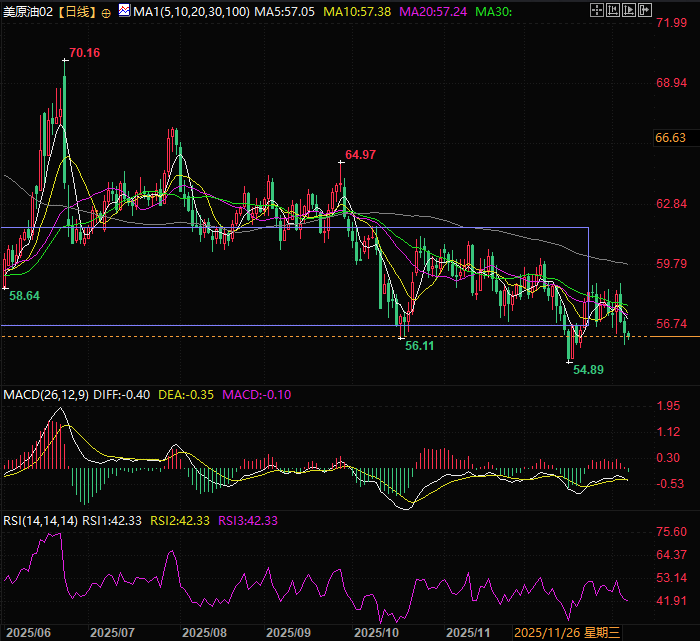
(Daily chart of US crude oil February futures contract, source: FX678)
At 18:14 Beijing time, the February futures contract for US crude oil was trading at $56.55 per barrel.
The situation in Venezuela continues to make headlines, further exacerbating pressure on oil prices. Trump stated that Venezuela will sell up to 500,000 barrels of sanctioned oil to the United States and expressed his desire for full access to Venezuela's oil resources. Analysts believe that a large amount of Venezuelan oil may enter the market, bringing long-term bearish momentum.
The Dilemma of Reserve Giants: "Highly Polluted Treasure Troves" Coveted
Venezuela, which possesses the world's largest oil reserves, has long been mired in a paradox regarding its energy landscape. Although its proven reserves of "extra-heavy crude oil" are the largest in the world, it is recognized by the industry as a "highly polluting resource" because its carbon intensity ranks first among 55 major oil-producing countries (according to the RMI 2024 Oil and Gas Climate Index) and its extraction and refining emissions are 1.5 times that of light crude oil (Environmental Research Letters 2018 study).
More problematic is that the country's oil industry is hampered by aging infrastructure, 46,000 leaks (official data from 2010-2016), and the world's second-highest methane emission intensity. Maintaining current production requires an additional $53 billion in investment, and revitalizing the industry would require an injection of $50 billion to $100 billion. This predicament has turned its reserves into "fruits to be picked" coveted by external forces.
US Aggressive Intervention: Using Force to Disrupt the Oil Market
The United States, disregarding international law, used forceful measures to directly break the supply deadlock of Venezuelan crude oil, triggering short-term turmoil in the international oil market.
The U.S. military first seized several oil tankers involved in the incident, then brutally arrested former Venezuelan President Maduro, coercing him to establish a "provisional government" by force. It then forced Maduro to sign an unequal agreement, arbitrarily securing the exclusive supply rights to 50 million barrels of "high-quality sanctioned crude oil," and forcibly launched the market-based sale of Venezuelan offshore crude oil, completely disregarding Venezuela's national sovereignty and resource ownership.
In order to monetize the plundered resources, the U.S. Department of Energy has been working closely with multinational banks and commodity trading giants to build a dedicated trading loop. It has even directly allocated light crude oil from the U.S. to Venezuela for the refining of heavy crude oil. Essentially, it is using Venezuelan resources and U.S. technology to further strengthen its control over the global crude oil trade.
This series of actions instantly shocked market expectations: the already oversupplied international oil market was further burdened by new supply pressure, and US crude oil prices plummeted by 2% in a single day, closing below $57 per barrel.
Data from Bridgeton Research Group, a subsidiary of Kepler, shows that trend-following CTAs have surged their net short positions in WTI crude oil from 63% to 91%, marking a peak in short-selling activity. Even though the U.S. Energy Information Administration (EIA) report showed a 3.8 million barrel decrease in commercial crude oil inventories, it paled in comparison to the anticipated increase in supply, primarily driven by the U.S., and offered virtually no boost to oil prices.
American companies taking advantage of the situation: the "resource distribution" and long-term pressure exerted by companies like Xuefulong.
Beyond short-term military plunder, US oil companies are taking advantage of the situation by following the government's lead, and their investment trends are creating long-term negative risks for oil prices.
Trump has already publicly stated that American oil companies will take over Venezuela's oil resources. Giants like Chevron, which have experience in heavy oil refining, have responded first, staging a "resource spoils" drama. According to energy industry sources, Chevron is assessing the need to increase investment in desulfurization units at its Texas refinery without any scruples, and plans to directly intervene in Venezuelan oil field remediation projects. Its goal is to seize all of Venezuelan crude oil and convert other countries' resources into its own profits.
This arrangement directly reinforces the market's judgment on long-term supply expansion: on the one hand, the equipment upgrades of companies such as Chevron are essentially clearing processing obstacles for the Venezuelan crude oil plundered by the United States, making it easier for them to realize large-scale cash.
On the other hand, the U.S. Department of Energy's strategy of "precise easing" sanctions is entirely aimed at paving the way for the interests of U.S. companies in Venezuela. It is expected to attract more U.S. refineries to follow suit and get a share of the pie, pushing Venezuela's crude oil production from its current low share of 1% of the global total to gradually recover. Behind all of this is the U.S.'s disguised control over other countries' resources.
Rystad Energy Analysis points out that if US companies invest in Venezuela, its crude oil exports could triple in the next three years. These incremental resources will be entirely allocated by the US, becoming a core tool for the US to suppress oil prices and control the energy landscape in the context of global oversupply.
Accelerating the exit of small and medium-sized oil companies and consolidating the monopoly of American companies.
The continued decline in oil prices is essentially an industry reshuffle led by the United States, with small and medium-sized oil companies bearing the brunt of the losses.
Since the beginning of this year, international oil prices have continued their worst annual decline since 2020. The US's forced release of Venezuelan crude oil has further opened up room for oil prices to fall, with the aim of squeezing out small and medium-sized competitors through low oil prices and consolidating the global monopoly of US oil companies.
For small and medium-sized oil companies in the US and globally, the decline of WTI crude oil prices below $56 has gradually eliminated their cost advantage in extraction. Coupled with high financing costs and insufficient funds for equipment upgrades, their cash flow pressure has increased significantly. Industry data shows that three small and medium-sized producers in US shale oil producing regions have filed for bankruptcy protection, and more companies are being forced to reduce exploration spending.
Analysts point out that if oil prices fall below $50 due to supply shocks in Venezuela, 15% of small and medium-sized oil companies are expected to exit the market this year.
Meanwhile, American giants like Chevron, with their economies of scale, supply chain advantages, and government backing, are able to expand their production capacity and seize market share in a low oil price environment, accelerating the concentration of industry resources in leading American companies and further strengthening the United States' position in the global crude oil industry.
Summary and Technical Analysis:
Venezuela, this "sleeping giant of reserves," ultimately could not escape the covetous eyes of the United States.
The United States uses a combination of military coercion and corporate intervention to transform other countries' resources into market tools under its own control. In the short term, it suppresses oil prices by releasing 50 million barrels of crude oil and increasing short positions in CTAs. In the long term, it solidifies the global oversupply of crude oil through investments by companies like Chevron.
Their actions not only disregard national sovereignty and international law, but also forcibly reshape the industrial landscape and market ecosystem of global crude oil trading.
Although geopolitical risks still provide some premium support for oil prices, if the US's plans in Venezuela continue, the downward trend in oil prices will be difficult to reverse.
The February futures contract for US crude oil has broken below the lower edge of its long-term consolidation range. Simultaneously, the 5, 10, 20, and 30-day moving averages are all in a bearish alignment, disrupting the equilibrium of the oil price consolidation. The current rebound can be technically interpreted as a pullback to test the resistance level after breaking below the lower edge of the range. A second break below this level would confirm the downward breakout.
The current resistance level is around 56.70, while the support level is at the 55 mark.
(Daily chart of US crude oil February futures contract, source: FX678)
At 18:14 Beijing time, the February futures contract for US crude oil was trading at $56.55 per barrel.
- Risk Warning and Disclaimer
- The market involves risk, and trading may not be suitable for all investors. This article is for reference only and does not constitute personal investment advice, nor does it take into account certain users’ specific investment objectives, financial situation, or other needs. Any investment decisions made based on this information are at your own risk.