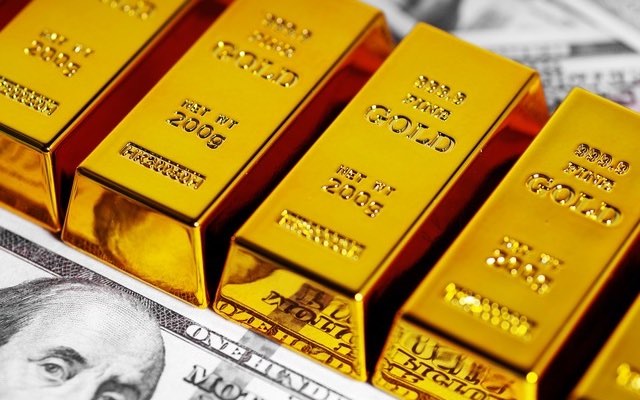
Is the nightmare of the 1970s repeating itself? The political hand reaches for the steering wheel of the Federal Reserve.
2026-01-13 16:31:23
From President Trump's threat to fire Powell over disagreements on interest rate policy to the current rumors of a criminal investigation, such political interference is far from a simple policy disagreement; it is shaking the foundations of American economic stability and national security.
For a long time, the independent operation of the Federal Reserve has been a political rule tacitly accepted by both parties. From Roosevelt to Obama, even if presidents disagreed with interest rate policies, they rarely intervened directly in the Fed's decisions, let alone exert pressure through dismissals or investigations.
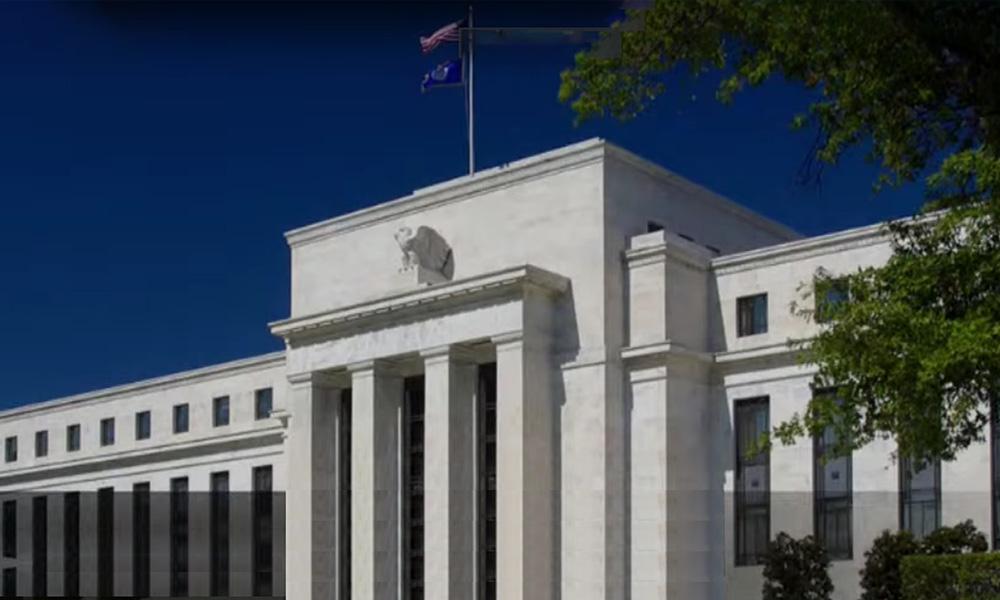
The core mission of the Federal Reserve is to regulate the money supply, stabilize prices, protect employment, and maintain the smooth functioning of the financial system.
To achieve these goals, the Federal Reserve must base its decisions on economic data and focus on long-term economic interests, rather than being held hostage by election cycles or short-term political demands.
The credibility of the central bank is the lifeline for its performance of its duties. Once it becomes a political tool, the collapse of its credibility may take a long time to repair, or may even be irreversible.
The cost of political interference in the Federal Reserve has long been proven by history. In the 1970s, Federal Reserve Chairman Arthur Burns succumbed to political pressure from President Nixon and maintained low interest rates for a long period to help him win the election. This directly led to runaway inflation and gave rise to a decade-long stagflation crisis—a period in which high inflation and economic stagnation coexisted.
It wasn't until the 1980s, when Paul Volcker became Chairman of the Federal Reserve, that he resolutely raised short-term interest rates to a historic high of nearly 20%, successfully suppressing inflation. However, this necessary measure also triggered a deep recession, with the unemployment rate soaring to nearly 11%.
Volcker's unwavering commitment to independent decision-making serves as a classic testament to the core value of the Federal Reserve's independence. It has also made the academic community and the market deeply aware that only an independent central bank can decisively implement counter-cyclical anti-inflationary policies, even if such policies (such as interest rate hikes) increase the cost of borrowing for residents and are unpopular with the market in the short term, they can safeguard long-term economic stability.
If the Federal Reserve loses its independence and its interest rate decisions are influenced by politics, the consequences would be unimaginable.
The president may forcefully cut interest rates to stimulate the economy before the election. In the short term, this may boost consumption, but in the long term, it will inevitably lead to runaway inflation, currency devaluation, and increased uncertainty for investors and businesses.
When inflation is high, the Federal Reserve may delay raising interest rates due to fear of a recession in an election year, further exacerbating the economic turmoil.
The smooth functioning of the market depends on the predictability of central bank policies. Once the Federal Reserve's decisions become politicized, domestic and foreign investors will lose confidence in inflation, interest rates, and the dollar's trajectory, ultimately pushing up overall borrowing costs and weakening the fundamentals of the US economy.
The Federal Reserve's independence is also closely linked to national security.
As the world's number one reserve currency, the US dollar is responsible for more than half of the world's trade settlements. Central banks around the world hold more than $6 trillion in US dollar assets. This "excessive privilege" gives the United States important geopolitical leverage.
But the foundation of this privilege is global trust in the rule of law, institutional independence, and the reliability of monetary policy in the United States.
If other countries perceive the Federal Reserve as a tool of partisan politics, the trust system will completely collapse: central banks may reduce their holdings of dollar assets, causing the US government's financing costs to soar by hundreds of billions of dollars; the US's dominance in the global financial system may be lost, thereby affecting its ability to implement sanctions, respond to crises, and withstand external economic shocks.
More seriously, this will provide authoritarian states with propaganda pretexts, undermine America's democratic credibility, cause allies to turn to more neutral financial alternatives, and hinder the advancement of economic diplomacy.
Protecting the independence of the Federal Reserve does not negate democratic oversight. The president's comments on interest rate policy are part of democracy, but directly interfering in decision-making through threats, investigations, or dismissals is planting time bombs for economic and national security.
Central bank independence is not a luxury, but a core pillar of modern governance, a ballast for stable economic prosperity, and an important shield for maintaining America's global leadership.
In the current complex economic and geopolitical landscape, the United States' repeated probing of this bottom line may come at the cost of long-term stability and security, and may ultimately lead to a decline in the dollar index and a transfer of dollar reserves by various countries, which in turn will continue to push up the prices of assets such as gold and US stocks.
For a long time, the independent operation of the Federal Reserve has been a political rule tacitly accepted by both parties. From Roosevelt to Obama, even if presidents disagreed with interest rate policies, they rarely intervened directly in the Fed's decisions, let alone exert pressure through dismissals or investigations.
The core of the central bank's mission: Independence is the lifeline for fulfilling its duties.
The core mission of the Federal Reserve is to regulate the money supply, stabilize prices, protect employment, and maintain the smooth functioning of the financial system.
To achieve these goals, the Federal Reserve must base its decisions on economic data and focus on long-term economic interests, rather than being held hostage by election cycles or short-term political demands.
The credibility of the central bank is the lifeline for its performance of its duties. Once it becomes a political tool, the collapse of its credibility may take a long time to repair, or may even be irreversible.
Historical Lessons: The Painful Cost of Political Interference and the Value of Independence
The cost of political interference in the Federal Reserve has long been proven by history. In the 1970s, Federal Reserve Chairman Arthur Burns succumbed to political pressure from President Nixon and maintained low interest rates for a long period to help him win the election. This directly led to runaway inflation and gave rise to a decade-long stagflation crisis—a period in which high inflation and economic stagnation coexisted.
It wasn't until the 1980s, when Paul Volcker became Chairman of the Federal Reserve, that he resolutely raised short-term interest rates to a historic high of nearly 20%, successfully suppressing inflation. However, this necessary measure also triggered a deep recession, with the unemployment rate soaring to nearly 11%.
Volcker's unwavering commitment to independent decision-making serves as a classic testament to the core value of the Federal Reserve's independence. It has also made the academic community and the market deeply aware that only an independent central bank can decisively implement counter-cyclical anti-inflationary policies, even if such policies (such as interest rate hikes) increase the cost of borrowing for residents and are unpopular with the market in the short term, they can safeguard long-term economic stability.
The consequences of losing control: the collapse of economic order and market confidence.
If the Federal Reserve loses its independence and its interest rate decisions are influenced by politics, the consequences would be unimaginable.
The president may forcefully cut interest rates to stimulate the economy before the election. In the short term, this may boost consumption, but in the long term, it will inevitably lead to runaway inflation, currency devaluation, and increased uncertainty for investors and businesses.
When inflation is high, the Federal Reserve may delay raising interest rates due to fear of a recession in an election year, further exacerbating the economic turmoil.
The smooth functioning of the market depends on the predictability of central bank policies. Once the Federal Reserve's decisions become politicized, domestic and foreign investors will lose confidence in inflation, interest rates, and the dollar's trajectory, ultimately pushing up overall borrowing costs and weakening the fundamentals of the US economy.
Beyond the economy: A core bargaining chip closely tied to national security
The Federal Reserve's independence is also closely linked to national security.
As the world's number one reserve currency, the US dollar is responsible for more than half of the world's trade settlements. Central banks around the world hold more than $6 trillion in US dollar assets. This "excessive privilege" gives the United States important geopolitical leverage.
But the foundation of this privilege is global trust in the rule of law, institutional independence, and the reliability of monetary policy in the United States.
If other countries perceive the Federal Reserve as a tool of partisan politics, the trust system will completely collapse: central banks may reduce their holdings of dollar assets, causing the US government's financing costs to soar by hundreds of billions of dollars; the US's dominance in the global financial system may be lost, thereby affecting its ability to implement sanctions, respond to crises, and withstand external economic shocks.
More seriously, this will provide authoritarian states with propaganda pretexts, undermine America's democratic credibility, cause allies to turn to more neutral financial alternatives, and hinder the advancement of economic diplomacy.
Summarize:
Protecting the independence of the Federal Reserve does not negate democratic oversight. The president's comments on interest rate policy are part of democracy, but directly interfering in decision-making through threats, investigations, or dismissals is planting time bombs for economic and national security.
Central bank independence is not a luxury, but a core pillar of modern governance, a ballast for stable economic prosperity, and an important shield for maintaining America's global leadership.
In the current complex economic and geopolitical landscape, the United States' repeated probing of this bottom line may come at the cost of long-term stability and security, and may ultimately lead to a decline in the dollar index and a transfer of dollar reserves by various countries, which in turn will continue to push up the prices of assets such as gold and US stocks.
- Risk Warning and Disclaimer
- The market involves risk, and trading may not be suitable for all investors. This article is for reference only and does not constitute personal investment advice, nor does it take into account certain users’ specific investment objectives, financial situation, or other needs. Any investment decisions made based on this information are at your own risk.