Breaking News! US Oil Giant Publicly Pledges to Immediately Enter and Stabilize Oil Fields should Iran Experience a Change of Government.
2026-01-14 14:19:47
Amidst the volatile global geopolitical landscape, a statement from the US oil industry has drawn widespread attention. On Tuesday (January 13th), the head of the industry's top lobbying group stated explicitly that if the current Iranian regime collapses due to large-scale domestic protests, US oil producers will actively intervene to act as a "stabilizing force" in the country's oil sector. This commitment not only reflects US companies' optimism about Iran's oil potential but also stands in stark contrast to the complex situation in Venezuela. The following analysis will delve into this event from multiple perspectives, including its background, industry commitments, expert analysis, and potential impact, ultimately exploring its profound significance for the international energy market.
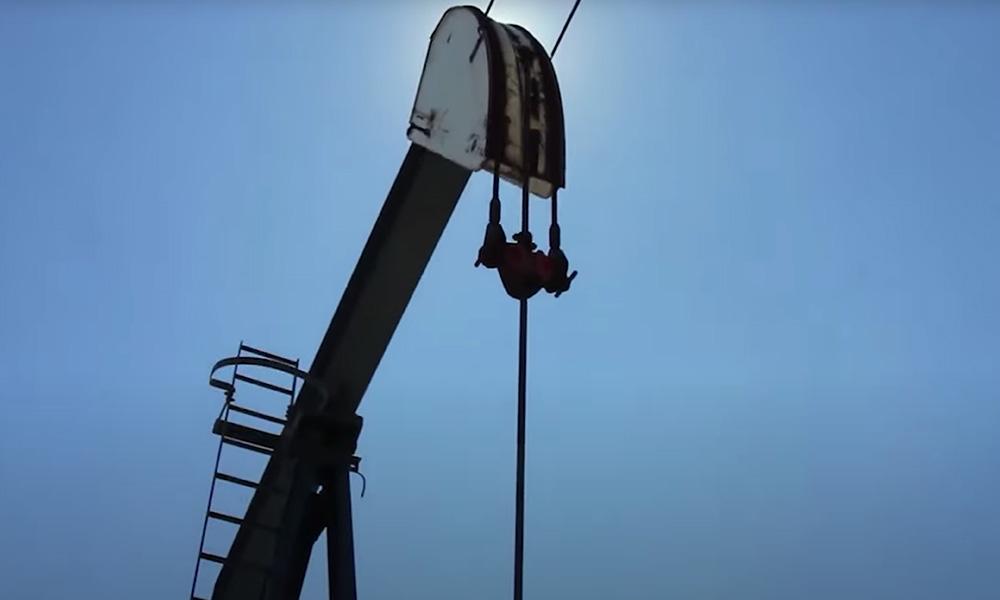
The American Petroleum Institute (API), the most influential lobbying organization in the country's oil industry, formally expressed this position to the media after its annual "State of Energy in America" event in Washington, D.C., through its president, Mike Sommers.
He emphasized that U.S. oil producers are prepared to play a key role in ensuring the continuity and growth of oil production following regime change in Iran.
Sommers pointed out that Iran, as the world's sixth-largest oil producer, has maintained a relatively intact oil infrastructure despite long-term US sanctions, which provides a solid foundation for future cooperation.
He further explained that once the Iranian people successfully overthrow the current regime, American companies will dedicate themselves to injecting advanced technology and investment to help the country rapidly increase oil production. This is not merely about seizing business opportunities, but also about considering global energy stability.
The immediate impetus for this statement stemmed from the recent nationwide protests in Iran. These protests, rooted in public discontent with economic hardship and political oppression, have continued for several days and escalated into violent clashes.
Sommers spoke positively of this, seeing it as a significant moment for the Iranian people to "fight for freedom with their own hands." Meanwhile, US President Donald Trump is reportedly assessing potential intervention measures against the Iranian government in response to its violent crackdown on protesters.
This protest not only tested the stability of the Iranian regime but also provided the international community with a window to re-examine Iran's oil resources. Experts generally believe that the resilience of Iran's oil industry has been proven under sanctions, and its production potential will be fully realized once external pressure eases.
While discussing Iran's prospects, Sommers adopted a more cautious stance on Venezuela. The future of Venezuela's oil industry remains uncertain following the arrest of leader Nicolás Maduro.
He pointed out that the return of American companies to Venezuela is contingent on meeting three core conditions: certainty of long-term investment, absolute security of the operating environment, and a sound legal system. The lack of these elements stems from long-term mismanagement by the Venezuelan socialist regime, leading to severe aging and decline of its oil infrastructure.
In contrast, Iran's oil system, while affected by sanctions, is structurally more robust, making it a more attractive investment destination for American companies. Sommers emphasized that if Venezuela can gradually achieve these conditions, investment will follow, but this process may require a long time and profound reforms.
At the API event, several energy experts further elaborated on the differences between Iran and Venezuela from a professional perspective. Kevin Booker, Managing Director of ClearView Energy Partners, pointed out that Iran's ability to increase oil production despite enduring the harshest US sanctions in history fully demonstrates its inherent strength. He envisioned that if advanced Western engineering technologies were introduced, Iran's oil production would experience an explosive increase.
Similarly, Bob McNally, former National Security and Energy Advisor to President George W. Bush and current head of Rapidan Energy Group, holds a similar view. He believes that Iran's oil resources are closer to existing infrastructure and include both conventional oil and gas, allowing U.S. industries to increase global supply more quickly and efficiently upon returning to Iran. In contrast, Venezuela's recovery will face more structural challenges and will be difficult to match Iran's attractiveness in the short term.
It is worth noting that Sommers explicitly stated that API would firmly oppose any attempt by the Trump administration to acquire equity stakes in Venezuelan oil investments. The Trump administration has previously directly invested in U.S. companies in sectors such as semiconductor manufacturing and critical minerals to advance geopolitical priorities. However, Sommers emphasized that this practice should not be extended to the oil industry.
He reiterated that the U.S. government should not hold shares in any U.S. oil and gas companies, nor does it support the nationalization of oil companies or the establishment of a national oil company in the United States. Regarding specific equity proposals for Venezuela's state-owned oil company, PdVSA, he stated that further details were needed, but in principle, he opposed any form of state intervention. This stance reflects the U.S. oil industry's commitment to market freedom and privatization, aiming to maintain the independence and competitiveness of its companies.
In conclusion, this commitment from the US oil industry not only signals external support for potential regime change in Iran but also highlights the delicate balance in the global energy landscape. By comparing Iran and Venezuela, we can see that the success of oil investment depends on the robustness of infrastructure, the stability of the political environment, and the depth of international cooperation. This event may reshape the Middle East energy landscape, driving global oil supply towards greater efficiency, while reminding countries to prioritize sustainability and geopolitical risk management in their energy policies. Moving forward, as developments unfold, the implementation of this commitment will test the execution capabilities of US companies and their ability to coordinate international relations.
Escalating protests, violent crackdowns, and threats of intervention from Trump have increased geopolitical risk premiums. Brent crude is currently fluctuating around $65/barrel, having risen by approximately 10% recently due to concerns about Iranian supply disruptions. If the regime collapses rapidly or internal turmoil leads to a temporary halt in export terminals (such as Kharg Island), oil prices could rise further, potentially testing above $70 in extreme cases. However, the global oil market faces a historic oversupply of 3.8 million barrels per day, significantly limiting upside potential. If a new regime comes to power and persuades the US to significantly ease sanctions , large-scale entry of US oil companies and the injection of Western technology could lead to a significant rebound in Iranian production (currently around 3.3 million barrels per day, with potential far exceeding Venezuela's). This would create significant supply pressure, a medium- to long-term bearish factor for oil prices. The market has begun discussing a scenario of "normalization of Iranian supply," which, along with potential supply increases from Venezuela, is a key factor in a potential bear market in 2026.
At 14:18 Beijing time, Brent crude oil is currently trading at $65.26 per barrel.
Strategic Commitment of the U.S. Oil Industry
The American Petroleum Institute (API), the most influential lobbying organization in the country's oil industry, formally expressed this position to the media after its annual "State of Energy in America" event in Washington, D.C., through its president, Mike Sommers.
He emphasized that U.S. oil producers are prepared to play a key role in ensuring the continuity and growth of oil production following regime change in Iran.
Sommers pointed out that Iran, as the world's sixth-largest oil producer, has maintained a relatively intact oil infrastructure despite long-term US sanctions, which provides a solid foundation for future cooperation.
He further explained that once the Iranian people successfully overthrow the current regime, American companies will dedicate themselves to injecting advanced technology and investment to help the country rapidly increase oil production. This is not merely about seizing business opportunities, but also about considering global energy stability.
Background of the protests in Iran and the response of the US government
The immediate impetus for this statement stemmed from the recent nationwide protests in Iran. These protests, rooted in public discontent with economic hardship and political oppression, have continued for several days and escalated into violent clashes.
Sommers spoke positively of this, seeing it as a significant moment for the Iranian people to "fight for freedom with their own hands." Meanwhile, US President Donald Trump is reportedly assessing potential intervention measures against the Iranian government in response to its violent crackdown on protesters.
This protest not only tested the stability of the Iranian regime but also provided the international community with a window to re-examine Iran's oil resources. Experts generally believe that the resilience of Iran's oil industry has been proven under sanctions, and its production potential will be fully realized once external pressure eases.
A stark contrast to Venezuela's oil crisis
While discussing Iran's prospects, Sommers adopted a more cautious stance on Venezuela. The future of Venezuela's oil industry remains uncertain following the arrest of leader Nicolás Maduro.
He pointed out that the return of American companies to Venezuela is contingent on meeting three core conditions: certainty of long-term investment, absolute security of the operating environment, and a sound legal system. The lack of these elements stems from long-term mismanagement by the Venezuelan socialist regime, leading to severe aging and decline of its oil infrastructure.
In contrast, Iran's oil system, while affected by sanctions, is structurally more robust, making it a more attractive investment destination for American companies. Sommers emphasized that if Venezuela can gradually achieve these conditions, investment will follow, but this process may require a long time and profound reforms.
Oil Potential Analysis from an Expert Perspective
At the API event, several energy experts further elaborated on the differences between Iran and Venezuela from a professional perspective. Kevin Booker, Managing Director of ClearView Energy Partners, pointed out that Iran's ability to increase oil production despite enduring the harshest US sanctions in history fully demonstrates its inherent strength. He envisioned that if advanced Western engineering technologies were introduced, Iran's oil production would experience an explosive increase.
Similarly, Bob McNally, former National Security and Energy Advisor to President George W. Bush and current head of Rapidan Energy Group, holds a similar view. He believes that Iran's oil resources are closer to existing infrastructure and include both conventional oil and gas, allowing U.S. industries to increase global supply more quickly and efficiently upon returning to Iran. In contrast, Venezuela's recovery will face more structural challenges and will be difficult to match Iran's attractiveness in the short term.
A firm stance against government intervention in equity.
It is worth noting that Sommers explicitly stated that API would firmly oppose any attempt by the Trump administration to acquire equity stakes in Venezuelan oil investments. The Trump administration has previously directly invested in U.S. companies in sectors such as semiconductor manufacturing and critical minerals to advance geopolitical priorities. However, Sommers emphasized that this practice should not be extended to the oil industry.
He reiterated that the U.S. government should not hold shares in any U.S. oil and gas companies, nor does it support the nationalization of oil companies or the establishment of a national oil company in the United States. Regarding specific equity proposals for Venezuela's state-owned oil company, PdVSA, he stated that further details were needed, but in principle, he opposed any form of state intervention. This stance reflects the U.S. oil industry's commitment to market freedom and privatization, aiming to maintain the independence and competitiveness of its companies.
In conclusion, this commitment from the US oil industry not only signals external support for potential regime change in Iran but also highlights the delicate balance in the global energy landscape. By comparing Iran and Venezuela, we can see that the success of oil investment depends on the robustness of infrastructure, the stability of the political environment, and the depth of international cooperation. This event may reshape the Middle East energy landscape, driving global oil supply towards greater efficiency, while reminding countries to prioritize sustainability and geopolitical risk management in their energy policies. Moving forward, as developments unfold, the implementation of this commitment will test the execution capabilities of US companies and their ability to coordinate international relations.
Escalating protests, violent crackdowns, and threats of intervention from Trump have increased geopolitical risk premiums. Brent crude is currently fluctuating around $65/barrel, having risen by approximately 10% recently due to concerns about Iranian supply disruptions. If the regime collapses rapidly or internal turmoil leads to a temporary halt in export terminals (such as Kharg Island), oil prices could rise further, potentially testing above $70 in extreme cases. However, the global oil market faces a historic oversupply of 3.8 million barrels per day, significantly limiting upside potential. If a new regime comes to power and persuades the US to significantly ease sanctions , large-scale entry of US oil companies and the injection of Western technology could lead to a significant rebound in Iranian production (currently around 3.3 million barrels per day, with potential far exceeding Venezuela's). This would create significant supply pressure, a medium- to long-term bearish factor for oil prices. The market has begun discussing a scenario of "normalization of Iranian supply," which, along with potential supply increases from Venezuela, is a key factor in a potential bear market in 2026.
At 14:18 Beijing time, Brent crude oil is currently trading at $65.26 per barrel.
- Risk Warning and Disclaimer
- The market involves risk, and trading may not be suitable for all investors. This article is for reference only and does not constitute personal investment advice, nor does it take into account certain users’ specific investment objectives, financial situation, or other needs. Any investment decisions made based on this information are at your own risk.