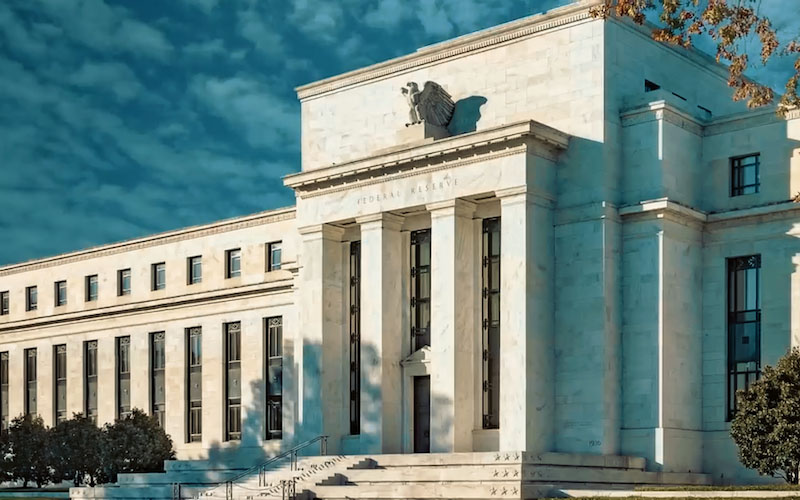
The US has imposed strong sanctions on Iran, targeting high-ranking officials and banking networks; escalating international pressure could trigger a Middle East crisis.
2026-01-16 15:47:29
Under the leadership of US President Donald Trump, the US government imposed a series of harsh sanctions on Iran on Thursday (January 15), targeting not only officials and institutions suspected of suppressing domestic protesters but also hidden financial networks. This action marks a new high point in international pressure on the Iranian regime, especially against the backdrop of thousands killed and arrested in the wave of protests within Iran. These sanctions come at a time when Trump is considering the possibility of military intervention, highlighting the further escalation of tensions between the US and Iran. Through these measures, the US aims to weaken the Iranian regime's economic support and repressive capabilities.
The sanctions were imposed in response to recent large-scale protests in Iran. According to statistics from the US-based Iranian Human Rights Activist News Agency, Iranian authorities have arrested more than 18,000 people and caused at least 2,515 deaths in the past three weeks. These protests, stemming from public discontent with the regime, have rapidly evolved into a nationwide movement, drawing widespread international attention.
The U.S. State Department specifically noted that Iran's Fardis prison has become a symbol of repression, where female prisoners suffer cruel, inhuman, and degrading treatment. These atrocities have further fueled global condemnation of human rights abuses in Iran. The U.S.'s decision to introduce new sanctions at this sensitive time is not only a response to these events but also aims to exert economic pressure on the Iranian regime to stop its violent repression of its people.
The new round of sanctions targets several senior Iranian security officials, most notably Ali Larijani, secretary of the Supreme National Security Council, who is accused of directly participating in the crackdown on protesters.
These officials' assets will be frozen and they will be prohibited from engaging in transactions with U.S. entities, a move aimed at cutting off their international influence.
Furthermore, the sanctions have extended to Iran's prison system, particularly the Fardis prison, which the U.S. State Department has described as a site of brutal treatment. Through these targeted measures, the U.S. government is attempting to undermine the repressive mechanisms within the Iranian regime and force those responsible to pay the price for their actions.
This precision strike is not only symbolic, but could also trigger instability in Iran's internal power structure.
In addition to officials and prisons, the U.S. Treasury Department's Office of Foreign Assets Control also launched an operation against a clandestine "shadow banking" network operated by Melley Bank. This network involved 18 groups and individuals accused of providing financial support to the Iranian regime through covert channels.
Among them, three senior officials from Tejarat Hermes Energy Qeshm, a company headquartered in the United Arab Emirates, were specifically named. The company was identified by the U.S. Treasury Department as a business front used to cover up illicit financial activities.
This network's exposure reveals how Iran circumvents international sanctions and maintains its economy through overseas entities.
In a statement, U.S. Treasury Secretary Scott Bessant emphasized that the United States will use all available tools to target those who support tyranny and human rights abuses behind the scenes. This financial strike aims to cut off the Iranian regime's funding and further weaken its ability to respond to domestic protests.
The sanctions were imposed amid a sharp deterioration in the security situation in the Middle East. The United States has ordered the evacuation of some personnel from its largest base in the Middle East, while the United Kingdom has temporarily closed its embassy in Tehran and evacuated all its staff.
These actions were a direct response to a threat from the Iranian parliamentary speaker, who warned that if the United States launched an attack, Israel, as well as all U.S. military facilities, bases, and ships in the region, would become legitimate targets.
Meanwhile, several of Trump's senior national security advisors have met to discuss response strategies, including kinetic and non-kinetic options. Although Trump claimed to have received reliable information that Iran's killings had ceased and denied any plans to carry out executions, Iran subsequently closed its airspace without cause for more than four hours, further exacerbating concerns.
White House Press Secretary Carolyn Levitt reiterated that all options remain with the president and warned the Iranian regime of serious consequences if it continues its killing spree.
The US sanctions against Iranian officials and shadow banking networks primarily target the crackdown on protesters and the funding chains for oil exports. While the short-term impact on oil prices is significant, the overall effect is limited.
Initially, this pushed up risk premiums: the implementation of sanctions, coupled with news that Trump had considered military options and the Iranian parliament's threat of retaliation, led to market concerns about disruptions to Iranian oil supplies (Iran produces approximately 3.3 million barrels per day, exporting about 1.3-1.5 million barrels, mainly to China). Last week, oil prices surged by over 10% at one point, with Brent crude briefly breaking through $66 per barrel, significantly increasing geopolitical risk premiums.
Oil prices subsequently fell sharply: Trump later stated that the killings in Iran had stopped and there were no plans for executions, easing expectations of immediate military conflict. The market interpreted this as the US not intending to strike Iran for the time being, reducing the risks to Iranian oil production and navigation in the Strait of Hormuz. Oil prices plummeted by more than 4% on Thursday, with Brent crude falling back to the $63-64/barrel range. On Friday (January 16), prices stabilized in the $63.4-64 range during the Asian and European sessions.
Overall assessment: Current sanctions are more financial and targeted in nature, and have not directly led to a significant reduction in Iranian oil production or regional blockade. Global supply is ample (US production is high, and other oil-producing countries can fill the gap). Therefore, although oil prices have fluctuated sharply in the short term due to geopolitical sentiment, they lack sustained upward momentum. Unless the situation escalates to military confrontation or the Strait of Hormuz is blocked (in an extreme scenario, oil prices could surge to over $100), oil prices are likely to remain range-bound, with risk premiums gradually diminishing.
At 15:46 Beijing time, Brent crude oil is currently trading at $63.93 per barrel.
Sanctions Background and Domestic Unrest in Iran
The sanctions were imposed in response to recent large-scale protests in Iran. According to statistics from the US-based Iranian Human Rights Activist News Agency, Iranian authorities have arrested more than 18,000 people and caused at least 2,515 deaths in the past three weeks. These protests, stemming from public discontent with the regime, have rapidly evolved into a nationwide movement, drawing widespread international attention.
The U.S. State Department specifically noted that Iran's Fardis prison has become a symbol of repression, where female prisoners suffer cruel, inhuman, and degrading treatment. These atrocities have further fueled global condemnation of human rights abuses in Iran. The U.S.'s decision to introduce new sanctions at this sensitive time is not only a response to these events but also aims to exert economic pressure on the Iranian regime to stop its violent repression of its people.
Targeted strikes against officials and institutions
The new round of sanctions targets several senior Iranian security officials, most notably Ali Larijani, secretary of the Supreme National Security Council, who is accused of directly participating in the crackdown on protesters.
These officials' assets will be frozen and they will be prohibited from engaging in transactions with U.S. entities, a move aimed at cutting off their international influence.
Furthermore, the sanctions have extended to Iran's prison system, particularly the Fardis prison, which the U.S. State Department has described as a site of brutal treatment. Through these targeted measures, the U.S. government is attempting to undermine the repressive mechanisms within the Iranian regime and force those responsible to pay the price for their actions.
This precision strike is not only symbolic, but could also trigger instability in Iran's internal power structure.
Exposing and cracking down on "shadow banking" networks
In addition to officials and prisons, the U.S. Treasury Department's Office of Foreign Assets Control also launched an operation against a clandestine "shadow banking" network operated by Melley Bank. This network involved 18 groups and individuals accused of providing financial support to the Iranian regime through covert channels.
Among them, three senior officials from Tejarat Hermes Energy Qeshm, a company headquartered in the United Arab Emirates, were specifically named. The company was identified by the U.S. Treasury Department as a business front used to cover up illicit financial activities.
This network's exposure reveals how Iran circumvents international sanctions and maintains its economy through overseas entities.
In a statement, U.S. Treasury Secretary Scott Bessant emphasized that the United States will use all available tools to target those who support tyranny and human rights abuses behind the scenes. This financial strike aims to cut off the Iranian regime's funding and further weaken its ability to respond to domestic protests.
International reaction and escalating military tensions
The sanctions were imposed amid a sharp deterioration in the security situation in the Middle East. The United States has ordered the evacuation of some personnel from its largest base in the Middle East, while the United Kingdom has temporarily closed its embassy in Tehran and evacuated all its staff.
These actions were a direct response to a threat from the Iranian parliamentary speaker, who warned that if the United States launched an attack, Israel, as well as all U.S. military facilities, bases, and ships in the region, would become legitimate targets.
Meanwhile, several of Trump's senior national security advisors have met to discuss response strategies, including kinetic and non-kinetic options. Although Trump claimed to have received reliable information that Iran's killings had ceased and denied any plans to carry out executions, Iran subsequently closed its airspace without cause for more than four hours, further exacerbating concerns.
White House Press Secretary Carolyn Levitt reiterated that all options remain with the president and warned the Iranian regime of serious consequences if it continues its killing spree.
Analysis of the impact on oil prices
The US sanctions against Iranian officials and shadow banking networks primarily target the crackdown on protesters and the funding chains for oil exports. While the short-term impact on oil prices is significant, the overall effect is limited.
Initially, this pushed up risk premiums: the implementation of sanctions, coupled with news that Trump had considered military options and the Iranian parliament's threat of retaliation, led to market concerns about disruptions to Iranian oil supplies (Iran produces approximately 3.3 million barrels per day, exporting about 1.3-1.5 million barrels, mainly to China). Last week, oil prices surged by over 10% at one point, with Brent crude briefly breaking through $66 per barrel, significantly increasing geopolitical risk premiums.
Oil prices subsequently fell sharply: Trump later stated that the killings in Iran had stopped and there were no plans for executions, easing expectations of immediate military conflict. The market interpreted this as the US not intending to strike Iran for the time being, reducing the risks to Iranian oil production and navigation in the Strait of Hormuz. Oil prices plummeted by more than 4% on Thursday, with Brent crude falling back to the $63-64/barrel range. On Friday (January 16), prices stabilized in the $63.4-64 range during the Asian and European sessions.
Overall assessment: Current sanctions are more financial and targeted in nature, and have not directly led to a significant reduction in Iranian oil production or regional blockade. Global supply is ample (US production is high, and other oil-producing countries can fill the gap). Therefore, although oil prices have fluctuated sharply in the short term due to geopolitical sentiment, they lack sustained upward momentum. Unless the situation escalates to military confrontation or the Strait of Hormuz is blocked (in an extreme scenario, oil prices could surge to over $100), oil prices are likely to remain range-bound, with risk premiums gradually diminishing.
At 15:46 Beijing time, Brent crude oil is currently trading at $63.93 per barrel.
- Risk Warning and Disclaimer
- The market involves risk, and trading may not be suitable for all investors. This article is for reference only and does not constitute personal investment advice, nor does it take into account certain users’ specific investment objectives, financial situation, or other needs. Any investment decisions made based on this information are at your own risk.