Venezuelan crude oil prices surged 30% on the first batch! Is the US taking control of sales, creating a new oil market landscape?
2026-01-16 17:24:57
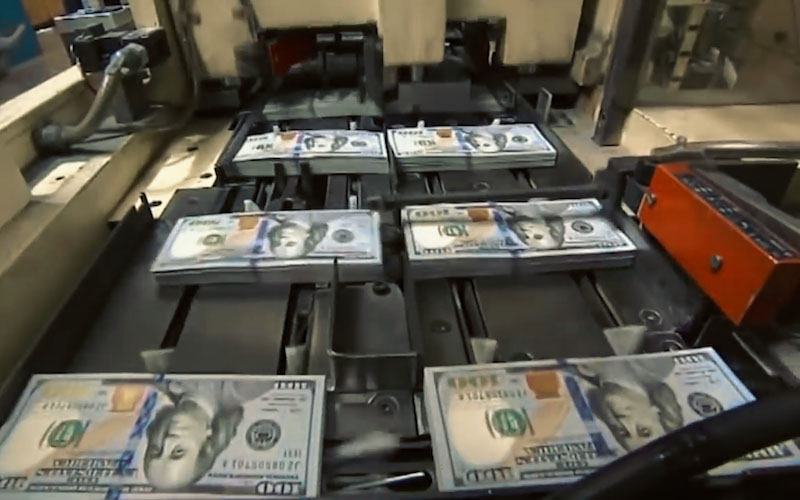
The United States has completed its first sale of Venezuelan crude oil, worth approximately $500 million, marking a significant shift in the way the oil is marketed and priced. U.S. Energy Secretary Chris Wright stated on Thursday (January 15th) that the realized price for this batch of crude oil was about 30% higher than the price paid three weeks earlier under the original agreement. While the specific price level was not disclosed, this comparison highlights the significant increase in revenue per barrel of crude oil resulting from redirected sales through U.S.-managed channels.
On Friday during the European session, US crude oil prices fluctuated upwards, rising by about 0.9% on the day, and are currently trading around $59.60 per barrel, as persistent geopolitical risks provided support for commodity prices, including crude oil.
This price increase reflects a close link between control over logistics, buyers, and payment mechanisms and the revenue outcome per barrel of crude oil. It does not signify a fundamental change in crude oil quality or global demand, but rather relates to shifts in market access and pricing power.
US President Donald Trump earlier stated that Venezuela would transfer 30 to 50 million barrels of oil previously under US sanctions for sale at current market prices. He added that the proceeds would be overseen by the US government to ensure both countries benefit. The Department of Energy noted that such sales would be ongoing, making Venezuelan crude a continuous component of the US-managed supply system, rather than a one-off transaction.
These crude oils returned to the market at a time when the global oil market was already facing a supply glut. The higher prices achieved by Venezuelan crude appear to be related to the trading structure rather than broader market tensions.
Despite possessing the world's largest proven crude oil reserves of approximately 303 billion barrels, Venezuela's oil industry operates far below its historical capacity. Current production is around 800,000 barrels per day, compared to a peak of 3.5 million barrels per day in the 1990s. Years of underinvestment, aging infrastructure, and institutional instability have limited production, resulting in a gap between resource potential and actual supply.
Trump announced that oil companies would invest at least $100 billion to rebuild Venezuela's energy sector, with the U.S. providing security guarantees to support the return on investment. He met with executives from ExxonMobil, Chevron, ConocoPhillips, Halliburton, Valero, and Marathon Oil to discuss the investment prospects. However, skepticism remained. ExxonMobil's CEO told Trump that the Venezuelan market, in its current state, did not offer investment value, reflecting lingering concerns rather than immediate business enthusiasm.
Venezuela's past expropriation practices continue to affect investor sentiment. The 2007 seizure of ExxonMobil and ConocoPhillips assets resulted in Caracas incurring billions of dollars in debt due to an arbitration ruling. These unresolved claims, coupled with broader concerns about political continuity, mean that rising oil prices alone cannot translate into large-scale capital investment.
Venezuelan oil, sold at higher real prices, has increased supply but has not altered the overall balance of the global market. The market needs to consider the geopolitical situation in other regions as well, and currently views Venezuelan oil perhaps as an alternative supply rather than a disruptive force.
In this context, the 30% increase in price realization indicates improved monetization capabilities for specific barrelled oils, rather than a shift in global pricing dynamics. The long-term impact will depend on whether political arrangements can stabilize sufficiently to support continued investment, a condition that remains uncertain despite current strong sales momentum.
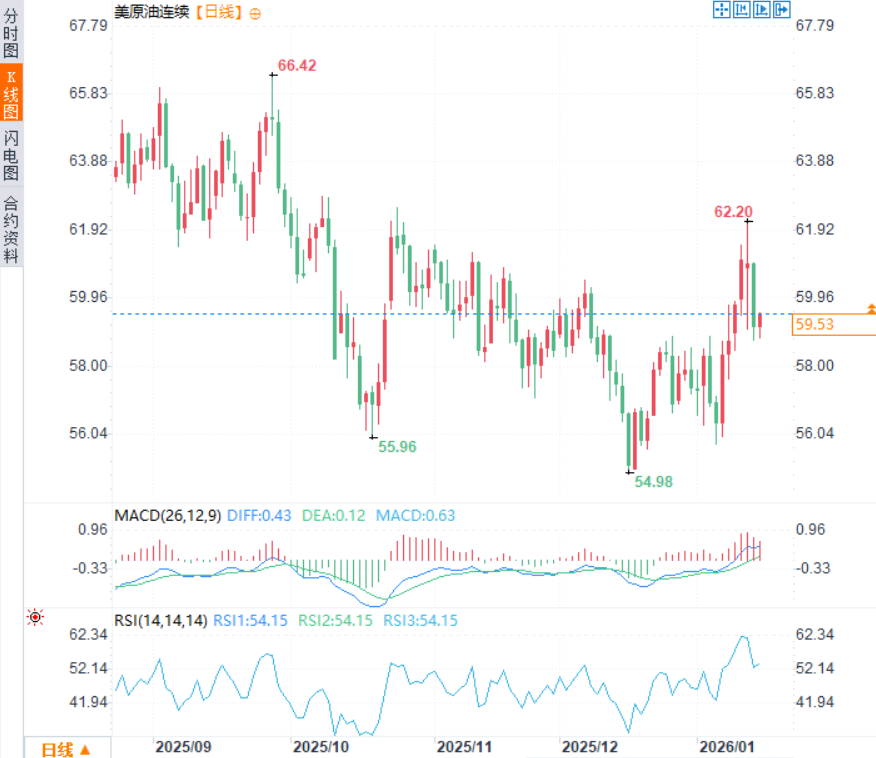
(US crude oil daily chart, source: FX678)
At 17:15 Beijing time, US crude oil futures were trading at $59.61 per barrel.
On Friday during the European session, US crude oil prices fluctuated upwards, rising by about 0.9% on the day, and are currently trading around $59.60 per barrel, as persistent geopolitical risks provided support for commodity prices, including crude oil.
This price increase reflects a close link between control over logistics, buyers, and payment mechanisms and the revenue outcome per barrel of crude oil. It does not signify a fundamental change in crude oil quality or global demand, but rather relates to shifts in market access and pricing power.
Sanctions, Controls and Crude Oil Flows
US President Donald Trump earlier stated that Venezuela would transfer 30 to 50 million barrels of oil previously under US sanctions for sale at current market prices. He added that the proceeds would be overseen by the US government to ensure both countries benefit. The Department of Energy noted that such sales would be ongoing, making Venezuelan crude a continuous component of the US-managed supply system, rather than a one-off transaction.
These crude oils returned to the market at a time when the global oil market was already facing a supply glut. The higher prices achieved by Venezuelan crude appear to be related to the trading structure rather than broader market tensions.
Venezuela's structural constraints remain.
Despite possessing the world's largest proven crude oil reserves of approximately 303 billion barrels, Venezuela's oil industry operates far below its historical capacity. Current production is around 800,000 barrels per day, compared to a peak of 3.5 million barrels per day in the 1990s. Years of underinvestment, aging infrastructure, and institutional instability have limited production, resulting in a gap between resource potential and actual supply.
Trump announced that oil companies would invest at least $100 billion to rebuild Venezuela's energy sector, with the U.S. providing security guarantees to support the return on investment. He met with executives from ExxonMobil, Chevron, ConocoPhillips, Halliburton, Valero, and Marathon Oil to discuss the investment prospects. However, skepticism remained. ExxonMobil's CEO told Trump that the Venezuelan market, in its current state, did not offer investment value, reflecting lingering concerns rather than immediate business enthusiasm.
Venezuela's past expropriation practices continue to affect investor sentiment. The 2007 seizure of ExxonMobil and ConocoPhillips assets resulted in Caracas incurring billions of dollars in debt due to an arbitration ruling. These unresolved claims, coupled with broader concerns about political continuity, mean that rising oil prices alone cannot translate into large-scale capital investment.
Impact on the global oil market
Venezuelan oil, sold at higher real prices, has increased supply but has not altered the overall balance of the global market. The market needs to consider the geopolitical situation in other regions as well, and currently views Venezuelan oil perhaps as an alternative supply rather than a disruptive force.
In this context, the 30% increase in price realization indicates improved monetization capabilities for specific barrelled oils, rather than a shift in global pricing dynamics. The long-term impact will depend on whether political arrangements can stabilize sufficiently to support continued investment, a condition that remains uncertain despite current strong sales momentum.
(US crude oil daily chart, source: FX678)
At 17:15 Beijing time, US crude oil futures were trading at $59.61 per barrel.
- Risk Warning and Disclaimer
- The market involves risk, and trading may not be suitable for all investors. This article is for reference only and does not constitute personal investment advice, nor does it take into account certain users’ specific investment objectives, financial situation, or other needs. Any investment decisions made based on this information are at your own risk.