Trump's Davos game and the spectrum of public opinion
2026-01-23 15:54:45
Donald Trump's 24 hours in Davos were dramatic, and the unpredictable trip ultimately eased the threat of a renewed transatlantic trade war, while adding a new chapter to his controversial second term.
It is worth noting that despite facing numerous controversies in his first year in office, the current approval rating of this US president is still higher than that during the same period of his first term. Some media outlets have even joked that those who don't know better might think that Trump has been in power for half a century.
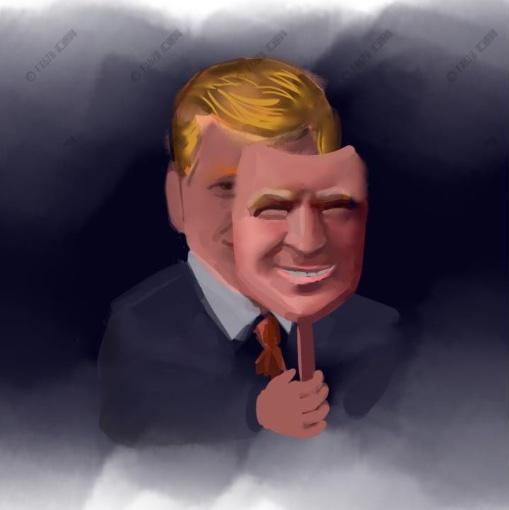
As one of the core topics of "The White House Watch," Trump's trip to Davos was fraught with tension from the very beginning.
Upon arriving at the Swiss mountain resort, he issued a near-blatant threat to America’s NATO allies, demanding that negotiations “begin immediately” on the future of Greenland.
Trump expressed his frustration, saying, "We want a piece of ice for global security, but they won't give it to us."
In his lengthy speech at the World Economic Forum, he made it clear that "So Europe has a choice: either agree to give the ice fields to the United States, and we will be very grateful; or refuse, and we will remember it."
This statement triggered market turmoil, with the S&P 500 posting its worst performance since October on Tuesday, and U.S. Treasury bonds also coming under pressure.
However, the situation then took a turn. After a “productive” meeting with NATO Secretary General Mark Rutte, Trump announced a “framework for a future agreement” on Greenland and abandoned plans to impose new tariffs on European countries.
Despite the vague details of the agreement, which only mentions mineral rights and defense arrangements related to the "Golden Dome" missile defense system, and despite repeated insistence by Denmark and Greenland that the island will not be sold and that the US ownership claims are a "red line," the Danish Foreign Minister still said that "the outcome of this day is better than the beginning," and European allies also approve of it.
The Financial Times' chief foreign policy commentator analyzed that market concerns about the trade war, Europe's firm resistance, and opposition within the Republican Party were the key reasons for Trump's concessions. As the tariff threat was withdrawn, the stock and bond markets rebounded rapidly, and risk appetite recovered significantly.
Besides the diplomatic maneuvering in Davos, Trump's domestic agenda and political dynamics are also attracting much attention.
During his time in Davos, he unveiled the charter of the Peace Commission, which he plans to have oversee the reconstruction of Gaza. Upon returning to Washington, he will continue to pressure the Federal Reserve in an attempt to influence its policy direction.
The Supreme Court's cautious approach to his dismissal of Federal Reserve Governor Lisa Cook highlights the tension between executive power and institutional independence, with both liberal and conservative justices questioning the legality and procedural justice of the move.
Meanwhile, a series of international and domestic events unfolded: a congressional committee voted to prosecute Bill and Clinton for contempt of Congress; Israeli Prime Minister Netanyahu joined the Peace Committee; Ukraine's involvement in the Greenland dispute led to the shelving of the $800 billion Prosperity Plan; and former Bank of Canada Governor Mark Carney warned of the risk of a "breakdown" in the international order. Together, these events constituted the complex internal and external environment during Trump's presidency.
Judging from public opinion, Trump's second term presents a unique situation.
Despite the controversy surrounding his tariff policies and immigration crackdowns during his first year back in the White House, which caused his national approval rating to drop by about 10 percentage points from the beginning of his term, falling to a low of 42%, it is still 3 percentage points higher than the same period in 2018.
Behind this difference lies a profound change in the composition of the Republican Party—opponents have gradually withdrawn, and grassroots support has become more consolidated, giving it a higher baseline for approval ratings. Currently, its approval rating within the party is close to 90%, far exceeding the 80% it had during its first term.
Furthermore, compared to the administrative chaos of his first term, Trump's governance in his second term was more decisive. In his first year in office, he signed 226 executive orders, laid off 270,000 federal employees, and doubled the number of immigrants detained. This perception of "pragmatism and efficiency" was also an important reason for some voters' support for him.
However, his handling of economic and inflation issues remains heavily criticized, and the decline in his national approval ratings could impact the upcoming midterm elections.
Christopher Welley, a professor at the University of Texas at Austin, stated that the president's approval rating is a key factor influencing the midterm elections, and that the Republican Party suffered a crushing defeat on this issue in 2018.
Trump's political career has always been accompanied by controversy and power struggles. The twists and turns of his trip to Davos, the tough push for domestic policies, and the ups and downs of public support have all painted a complex picture of his second term.
This dramatic event, which concerns the trade landscape, international order, and the political direction of the United States, is clearly far from over.
As for the capital market, the TACO strategy after the Trump team's extreme pressure has led to a reversal and rise in global risk assets after a period of decline due to negative news. At the same time, due to the unpredictability of Trump's policies and his repeated challenges to the bottom line of law and international law, safe-haven assets have continued to perform strongly, resulting in situations where safe-haven assets and risks rise together.
It is worth noting that despite facing numerous controversies in his first year in office, the current approval rating of this US president is still higher than that during the same period of his first term. Some media outlets have even joked that those who don't know better might think that Trump has been in power for half a century.
Davos takes a dramatic turn: Tariff threats temporarily subside, trade war risks ease.
As one of the core topics of "The White House Watch," Trump's trip to Davos was fraught with tension from the very beginning.
Upon arriving at the Swiss mountain resort, he issued a near-blatant threat to America’s NATO allies, demanding that negotiations “begin immediately” on the future of Greenland.
Trump expressed his frustration, saying, "We want a piece of ice for global security, but they won't give it to us."
In his lengthy speech at the World Economic Forum, he made it clear that "So Europe has a choice: either agree to give the ice fields to the United States, and we will be very grateful; or refuse, and we will remember it."
This statement triggered market turmoil, with the S&P 500 posting its worst performance since October on Tuesday, and U.S. Treasury bonds also coming under pressure.
However, the situation then took a turn. After a “productive” meeting with NATO Secretary General Mark Rutte, Trump announced a “framework for a future agreement” on Greenland and abandoned plans to impose new tariffs on European countries.
Despite the vague details of the agreement, which only mentions mineral rights and defense arrangements related to the "Golden Dome" missile defense system, and despite repeated insistence by Denmark and Greenland that the island will not be sold and that the US ownership claims are a "red line," the Danish Foreign Minister still said that "the outcome of this day is better than the beginning," and European allies also approve of it.
The Financial Times' chief foreign policy commentator analyzed that market concerns about the trade war, Europe's firm resistance, and opposition within the Republican Party were the key reasons for Trump's concessions. As the tariff threat was withdrawn, the stock and bond markets rebounded rapidly, and risk appetite recovered significantly.
Intertwined internal and external agendas: diplomatic actions and domestic power struggles running parallel
Besides the diplomatic maneuvering in Davos, Trump's domestic agenda and political dynamics are also attracting much attention.
During his time in Davos, he unveiled the charter of the Peace Commission, which he plans to have oversee the reconstruction of Gaza. Upon returning to Washington, he will continue to pressure the Federal Reserve in an attempt to influence its policy direction.
The Supreme Court's cautious approach to his dismissal of Federal Reserve Governor Lisa Cook highlights the tension between executive power and institutional independence, with both liberal and conservative justices questioning the legality and procedural justice of the move.
Meanwhile, a series of international and domestic events unfolded: a congressional committee voted to prosecute Bill and Clinton for contempt of Congress; Israeli Prime Minister Netanyahu joined the Peace Committee; Ukraine's involvement in the Greenland dispute led to the shelving of the $800 billion Prosperity Plan; and former Bank of Canada Governor Mark Carney warned of the risk of a "breakdown" in the international order. Together, these events constituted the complex internal and external environment during Trump's presidency.
Public Opinion Spectrum: Approval Rating Steadily Surpasses First-Term Rating, Midterm Election Concerns Remain
Judging from public opinion, Trump's second term presents a unique situation.
Despite the controversy surrounding his tariff policies and immigration crackdowns during his first year back in the White House, which caused his national approval rating to drop by about 10 percentage points from the beginning of his term, falling to a low of 42%, it is still 3 percentage points higher than the same period in 2018.
Behind this difference lies a profound change in the composition of the Republican Party—opponents have gradually withdrawn, and grassroots support has become more consolidated, giving it a higher baseline for approval ratings. Currently, its approval rating within the party is close to 90%, far exceeding the 80% it had during its first term.
Furthermore, compared to the administrative chaos of his first term, Trump's governance in his second term was more decisive. In his first year in office, he signed 226 executive orders, laid off 270,000 federal employees, and doubled the number of immigrants detained. This perception of "pragmatism and efficiency" was also an important reason for some voters' support for him.
However, his handling of economic and inflation issues remains heavily criticized, and the decline in his national approval ratings could impact the upcoming midterm elections.
Christopher Welley, a professor at the University of Texas at Austin, stated that the president's approval rating is a key factor influencing the midterm elections, and that the Republican Party suffered a crushing defeat on this issue in 2018.
Trump's political career has always been accompanied by controversy and power struggles. The twists and turns of his trip to Davos, the tough push for domestic policies, and the ups and downs of public support have all painted a complex picture of his second term.
Summarize:
This dramatic event, which concerns the trade landscape, international order, and the political direction of the United States, is clearly far from over.
As for the capital market, the TACO strategy after the Trump team's extreme pressure has led to a reversal and rise in global risk assets after a period of decline due to negative news. At the same time, due to the unpredictability of Trump's policies and his repeated challenges to the bottom line of law and international law, safe-haven assets have continued to perform strongly, resulting in situations where safe-haven assets and risks rise together.
- Risk Warning and Disclaimer
- The market involves risk, and trading may not be suitable for all investors. This article is for reference only and does not constitute personal investment advice, nor does it take into account certain users’ specific investment objectives, financial situation, or other needs. Any investment decisions made based on this information are at your own risk.