US-Iran negotiations countdown: Are Trump's bombers ready, or will oil prices be unleashed?
2026-02-23 15:37:23
The US-Iran nuclear talks will resume in Geneva. The Omani Foreign Ministry confirmed that this round of indirect talks will be held this Thursday (February 26). Omani Foreign Minister Badr Albusaidi said on social media that the talks are "on a positive note and both sides will do their utmost to push for a final agreement."
The resumption of US-Iran nuclear negotiations has brought a glimmer of hope to tensions in the Middle East, potentially putting downward pressure on oil prices in the short term. During Monday's European session, US crude oil prices fluctuated downwards, continuing the previous trading day's decline, currently trading around $65.65 per barrel, a daily drop of approximately 1.25%.
Oman, acting as a mediator, had previously hosted indirect negotiations between the US and Iran on its own soil and facilitated the second round of consultations in Geneva last week. The White House has not yet issued a formal response.
Iranian Foreign Minister Araqchi stated on Sunday that a "good chance" remains of a diplomatic solution to the nuclear issue, and that current negotiations are focused solely on the nuclear issue. He revealed that Iran is drafting a proposal and emphasized its right to enrich uranium. Araqchi noted that the US did not explicitly demand "zero enrichment" during last week's negotiations, which differs from public statements by US officials. Iran maintains that its nuclear program is for peaceful purposes and that it has ceased uranium enrichment activities since the US and Israeli strikes on Iranian nuclear facilities last June. Despite this, the US and Western countries remain suspicious that Tehran intends to develop nuclear weapons.
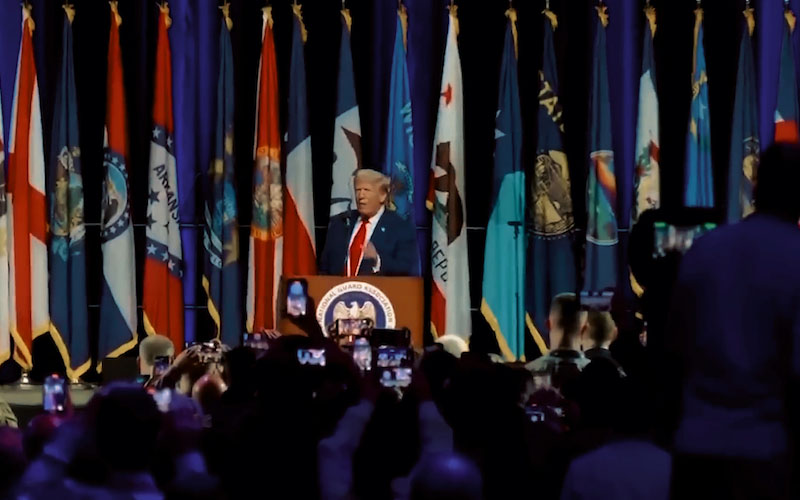
The Trump administration continues to pressure Iran to make significant concessions while deploying the largest U.S. military force in the Middle East in decades. President Trump warned last Friday that he would not rule out a limited strike against Iran if negotiations fail. Iran, on the other hand, has stated it is prepared for any potential scenario.
In response to confirmation from Oman, Iranian President Pesashkyan stated that the two sides exchanged pragmatic proposals and released "encouraging signals" during recent negotiations. However, he emphasized that Iran will continue to closely monitor US actions and is fully prepared for all possibilities.
The resumption of US-Iran nuclear negotiations has brought a glimmer of hope to tensions in the Middle East . If an agreement is reached, it could ease sanctions on Iranian oil exports, thereby increasing global crude oil supply and potentially putting downward pressure on oil prices in the short term . Currently, international oil prices are already supported by geopolitical risk premiums; if the negotiations make substantial progress, market risk aversion may cool down.
Conversely, if negotiations break down or fail, and US military options return to the table, geopolitical risk premiums will increase significantly, and concerns about Middle East oil supply disruptions may once again dominate the market, potentially causing oil prices to rise rapidly. Investors should closely monitor the progress of the Geneva talks on Thursday.
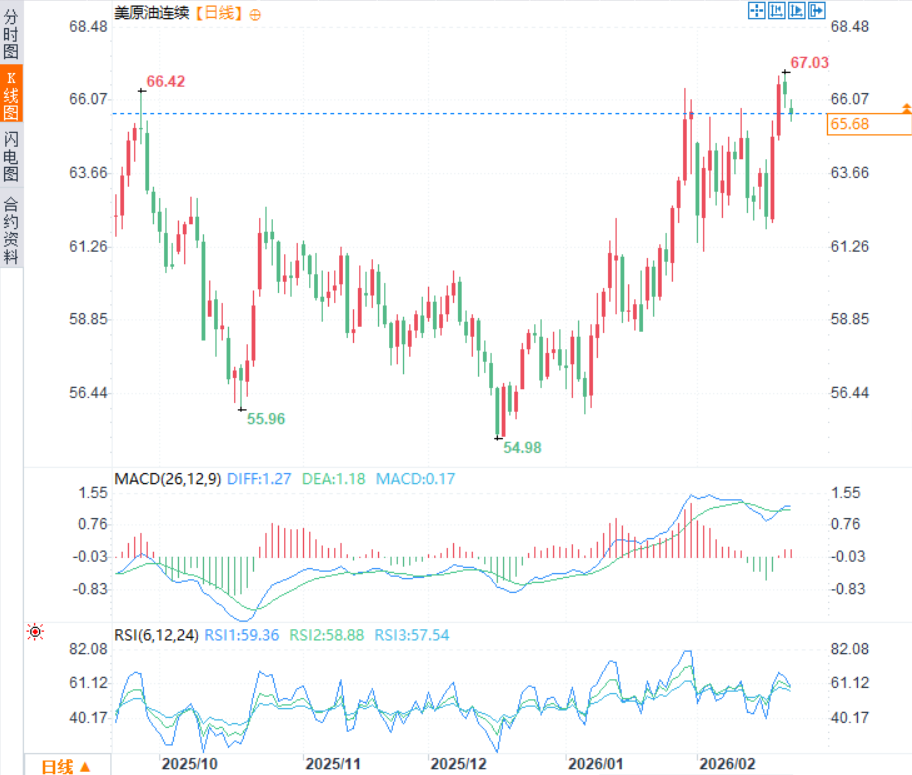
(US crude oil daily chart, source: FX678)
At 15:21 Beijing time, US crude oil futures were trading at $65.65 per barrel.
The resumption of US-Iran nuclear negotiations has brought a glimmer of hope to tensions in the Middle East, potentially putting downward pressure on oil prices in the short term. During Monday's European session, US crude oil prices fluctuated downwards, continuing the previous trading day's decline, currently trading around $65.65 per barrel, a daily drop of approximately 1.25%.
Oman, acting as a mediator, had previously hosted indirect negotiations between the US and Iran on its own soil and facilitated the second round of consultations in Geneva last week. The White House has not yet issued a formal response.
Iranian Foreign Minister Araqchi stated on Sunday that a "good chance" remains of a diplomatic solution to the nuclear issue, and that current negotiations are focused solely on the nuclear issue. He revealed that Iran is drafting a proposal and emphasized its right to enrich uranium. Araqchi noted that the US did not explicitly demand "zero enrichment" during last week's negotiations, which differs from public statements by US officials. Iran maintains that its nuclear program is for peaceful purposes and that it has ceased uranium enrichment activities since the US and Israeli strikes on Iranian nuclear facilities last June. Despite this, the US and Western countries remain suspicious that Tehran intends to develop nuclear weapons.
The Trump administration continues to pressure Iran to make significant concessions while deploying the largest U.S. military force in the Middle East in decades. President Trump warned last Friday that he would not rule out a limited strike against Iran if negotiations fail. Iran, on the other hand, has stated it is prepared for any potential scenario.
In response to confirmation from Oman, Iranian President Pesashkyan stated that the two sides exchanged pragmatic proposals and released "encouraging signals" during recent negotiations. However, he emphasized that Iran will continue to closely monitor US actions and is fully prepared for all possibilities.
Geopolitical risks and market impact
The resumption of US-Iran nuclear negotiations has brought a glimmer of hope to tensions in the Middle East . If an agreement is reached, it could ease sanctions on Iranian oil exports, thereby increasing global crude oil supply and potentially putting downward pressure on oil prices in the short term . Currently, international oil prices are already supported by geopolitical risk premiums; if the negotiations make substantial progress, market risk aversion may cool down.
Conversely, if negotiations break down or fail, and US military options return to the table, geopolitical risk premiums will increase significantly, and concerns about Middle East oil supply disruptions may once again dominate the market, potentially causing oil prices to rise rapidly. Investors should closely monitor the progress of the Geneva talks on Thursday.
(US crude oil daily chart, source: FX678)
At 15:21 Beijing time, US crude oil futures were trading at $65.65 per barrel.
- Risk Warning and Disclaimer
- The market involves risk, and trading may not be suitable for all investors. This article is for reference only and does not constitute personal investment advice, nor does it take into account certain users’ specific investment objectives, financial situation, or other needs. Any investment decisions made based on this information are at your own risk.