Trump's energy package: government guarantees + naval escort, determined to fight oil prices to the death!
2026-03-04 10:06:00
US President Donald Trump announced on Tuesday (March 3) that he had formally ordered the US International Development Finance Corporation (DFC) to provide comprehensive political risk insurance and financial guarantees for maritime trade routes through the Persian Gulf. He also stated explicitly that the US Navy would be ready to launch escort operations for oil tankers transiting the Strait of Hormuz if the situation required.
This decision is one of the toughest measures the Trump administration has taken to curb rapidly rising energy prices and maintain the stability of the global oil supply chain. Trump stated on social media, "No matter what happens, the United States will ensure the free flow of energy globally." He emphasized that more targeted actions will follow.
According to two sources familiar with the matter, U.S. Treasury Secretary Bessant and Energy Secretary Wright will begin a closed-door meeting with Trump on Tuesday afternoon local time to submit multiple contingency plans and finalize implementation details. Trump told the media that Americans may face higher oil prices in the short term, but "once the situation calms down, these prices will fall, even below current levels."
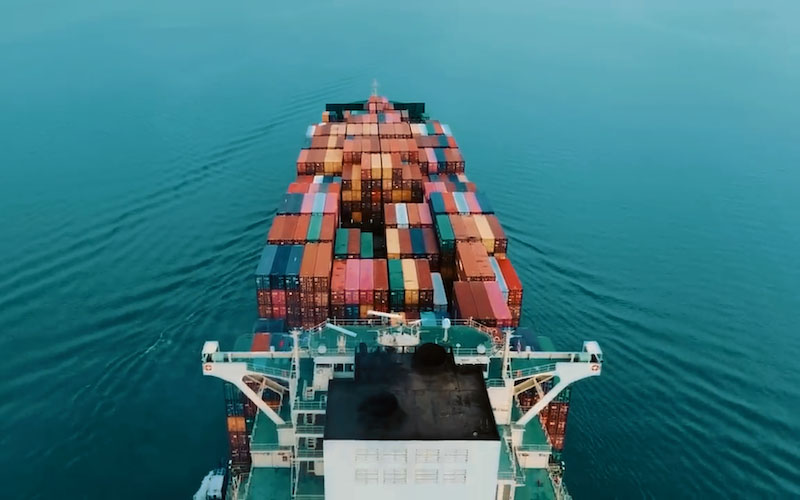
The escalating tensions in the Middle East have led to a sharp increase in risks along key shipping lanes. The Strait of Hormuz, a vital global oil transport artery, is currently essentially partially blocked. Connecting Iran and Oman, the strait handles approximately 20% of the world's daily crude oil shipments. Several oil tankers have been damaged in recent attacks, and other vessels have been forced to remain stranded or divert their routes.
Trump's move aims to directly intervene in market expectations and prevent runaway oil prices from impacting domestic fuel costs in the United States. He has repeatedly prioritized reducing fuel costs for the public as a core part of his economic policy, and this use of both financial and military means demonstrates his commitment to energy security.
Trump has explicitly authorized the U.S. Navy to provide armed escorts for oil tankers if necessary, marking the first large-scale U.S. military intervention in maritime security in the region since the "tanker wars" of the last century. Naval escorts not only directly reduce the risk exposure of shipping companies but also send a strong signal to the market, stabilizing investor confidence in the continuity of crude oil supply.
Analysts believe that this move, combined with DFC's insurance guarantee, can significantly reduce the proportion of shipping companies canceling or postponing voyages due to war risks, and encourage more oil tankers to resume normal passage.
The conflict in the Middle East has directly driven up shipping and insurance costs. Many insurance companies have reassessed their risk exposure, and some have even suspended or withdrawn their coverage of the Gulf region.
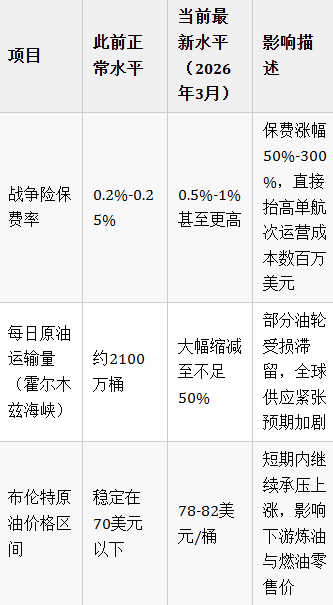
Higher insurance costs have forced some operators to choose to detour around the Cape of Good Hope in Africa, extending the journey by more than two weeks and further driving up global logistics costs.
If energy prices remain high for an extended period, it will directly undermine the efforts of Trump's Republican Party to maintain its majority in the November midterm elections. The Trump administration is well aware that high oil prices will have a far greater impact on American household budgets than other issues; therefore, this combination of insurance and support measures aims to quickly quell market panic.
Bessant and Wright are expected to focus their talks on assessing the transmission effects of oil prices on inflation and consumer confidence, and to develop corresponding fiscal buffers.
The Trump administration directly intervened in the security of Middle Eastern energy shipping lanes through a two-pronged approach: DFC insurance guarantees and naval escorts. This aimed to stabilize oil market supply expectations and control domestic fuel costs in the short term. While this move may alleviate pressure on shipping companies, it also highlights the high dependence of the global energy supply chain on a single key strait.
The future trend of oil prices will still depend on the progress of the easing of the situation in the Middle East and the effectiveness of international coordination. The final effect will depend on the actual implementation of escort measures and the speed of recovery of insurance coverage.
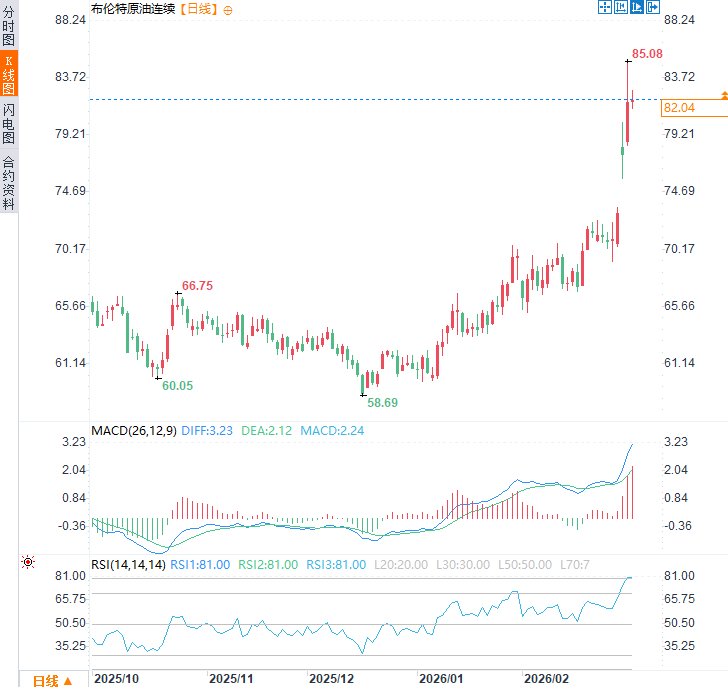
(Brent crude oil daily chart, source: EasyForex)
Question 1: Why did Trump choose DFC to provide political risk insurance?
Answer: As the official development finance agency of the United States, the DFC specializes in providing political risk guarantees for high-risk overseas projects. This move allows private insurance companies to confidently underwrite Gulf oil shipments, quickly reducing the actual insurance premium pressure on shipping companies and preventing supply chain disruptions. Essentially, Trump's move leverages government credit to stimulate market forces to stabilize energy prices.
Question 2: Why is the Strait of Hormuz so crucial to the global oil market?
Answer: The strait transports approximately 21 million barrels of crude oil daily, accounting for 20% of global seaborne crude oil. A blockage would lead to supply shortages in major importing countries in Asia and Europe, potentially causing oil prices to jump by 10%-20%. As of March 2026, the current semi-blocked state has already directly pushed Brent crude oil prices to the $78-82 range, with an impact far exceeding that of regional conflicts.
Question 3: What impact will the increase in war risk insurance premiums have on ordinary consumers?
Answer: With insurance premiums soaring from 0.2% to over 1%, the cost per tanker voyage has increased by millions of dollars, ultimately impacting refinery procurement prices and gas station retail prices. American drivers may face an additional $0.3-$0.5 per gallon in fuel costs, while costs in industries such as aviation and logistics are rising simultaneously, indirectly pushing up prices.
Question 4: How difficult is the actual operation of US Navy escort missions?
Answer: The U.S. military has extensive experience in escorting ships and has successfully carried out similar missions in the past. However, current operations require coordination among multinational fleets and addressing asymmetric threats, making escorting costly. Trump's authorization is only for "if necessary," intended as deterrence rather than immediate large-scale deployment; actual implementation will depend on the frequency of attacks and coordination with international allies.
Question 5: What is the strategic significance of this move for the November midterm elections?
Answer: High oil prices have always been one of the most sensitive issues for voters. If oil prices continue to rise, Republican support may decline. Trump's decisive intervention, demonstrating a "tough stance on energy," helps solidify his base among oil-producing states in the Midwest and blue-collar voters, while simultaneously sending a signal to the market that the government is fully committed to controlling oil prices, thus mitigating negative economic factors during the election period.
At 10:05 Beijing time, Brent crude oil futures were trading at $82.09 per barrel.
This decision is one of the toughest measures the Trump administration has taken to curb rapidly rising energy prices and maintain the stability of the global oil supply chain. Trump stated on social media, "No matter what happens, the United States will ensure the free flow of energy globally." He emphasized that more targeted actions will follow.
According to two sources familiar with the matter, U.S. Treasury Secretary Bessant and Energy Secretary Wright will begin a closed-door meeting with Trump on Tuesday afternoon local time to submit multiple contingency plans and finalize implementation details. Trump told the media that Americans may face higher oil prices in the short term, but "once the situation calms down, these prices will fall, even below current levels."
The impact of escalating tensions in the Middle East on the oil market
The escalating tensions in the Middle East have led to a sharp increase in risks along key shipping lanes. The Strait of Hormuz, a vital global oil transport artery, is currently essentially partially blocked. Connecting Iran and Oman, the strait handles approximately 20% of the world's daily crude oil shipments. Several oil tankers have been damaged in recent attacks, and other vessels have been forced to remain stranded or divert their routes.
Trump's move aims to directly intervene in market expectations and prevent runaway oil prices from impacting domestic fuel costs in the United States. He has repeatedly prioritized reducing fuel costs for the public as a core part of his economic policy, and this use of both financial and military means demonstrates his commitment to energy security.
Feasibility of US Navy escort missions in the Strait of Hormuz
Trump has explicitly authorized the U.S. Navy to provide armed escorts for oil tankers if necessary, marking the first large-scale U.S. military intervention in maritime security in the region since the "tanker wars" of the last century. Naval escorts not only directly reduce the risk exposure of shipping companies but also send a strong signal to the market, stabilizing investor confidence in the continuity of crude oil supply.
Analysts believe that this move, combined with DFC's insurance guarantee, can significantly reduce the proportion of shipping companies canceling or postponing voyages due to war risks, and encourage more oil tankers to resume normal passage.
A comparison of the significant increase in war risk insurance premiums
The conflict in the Middle East has directly driven up shipping and insurance costs. Many insurance companies have reassessed their risk exposure, and some have even suspended or withdrawn their coverage of the Gulf region.
Higher insurance costs have forced some operators to choose to detour around the Cape of Good Hope in Africa, extending the journey by more than two weeks and further driving up global logistics costs.
Impact of oil price trends on the US Republican midterm elections
If energy prices remain high for an extended period, it will directly undermine the efforts of Trump's Republican Party to maintain its majority in the November midterm elections. The Trump administration is well aware that high oil prices will have a far greater impact on American household budgets than other issues; therefore, this combination of insurance and support measures aims to quickly quell market panic.
Bessant and Wright are expected to focus their talks on assessing the transmission effects of oil prices on inflation and consumer confidence, and to develop corresponding fiscal buffers.
Editor's Summary
The Trump administration directly intervened in the security of Middle Eastern energy shipping lanes through a two-pronged approach: DFC insurance guarantees and naval escorts. This aimed to stabilize oil market supply expectations and control domestic fuel costs in the short term. While this move may alleviate pressure on shipping companies, it also highlights the high dependence of the global energy supply chain on a single key strait.
The future trend of oil prices will still depend on the progress of the easing of the situation in the Middle East and the effectiveness of international coordination. The final effect will depend on the actual implementation of escort measures and the speed of recovery of insurance coverage.
(Brent crude oil daily chart, source: EasyForex)
Frequently Asked Questions
Question 1: Why did Trump choose DFC to provide political risk insurance?
Answer: As the official development finance agency of the United States, the DFC specializes in providing political risk guarantees for high-risk overseas projects. This move allows private insurance companies to confidently underwrite Gulf oil shipments, quickly reducing the actual insurance premium pressure on shipping companies and preventing supply chain disruptions. Essentially, Trump's move leverages government credit to stimulate market forces to stabilize energy prices.
Question 2: Why is the Strait of Hormuz so crucial to the global oil market?
Answer: The strait transports approximately 21 million barrels of crude oil daily, accounting for 20% of global seaborne crude oil. A blockage would lead to supply shortages in major importing countries in Asia and Europe, potentially causing oil prices to jump by 10%-20%. As of March 2026, the current semi-blocked state has already directly pushed Brent crude oil prices to the $78-82 range, with an impact far exceeding that of regional conflicts.
Question 3: What impact will the increase in war risk insurance premiums have on ordinary consumers?
Answer: With insurance premiums soaring from 0.2% to over 1%, the cost per tanker voyage has increased by millions of dollars, ultimately impacting refinery procurement prices and gas station retail prices. American drivers may face an additional $0.3-$0.5 per gallon in fuel costs, while costs in industries such as aviation and logistics are rising simultaneously, indirectly pushing up prices.
Question 4: How difficult is the actual operation of US Navy escort missions?
Answer: The U.S. military has extensive experience in escorting ships and has successfully carried out similar missions in the past. However, current operations require coordination among multinational fleets and addressing asymmetric threats, making escorting costly. Trump's authorization is only for "if necessary," intended as deterrence rather than immediate large-scale deployment; actual implementation will depend on the frequency of attacks and coordination with international allies.
Question 5: What is the strategic significance of this move for the November midterm elections?
Answer: High oil prices have always been one of the most sensitive issues for voters. If oil prices continue to rise, Republican support may decline. Trump's decisive intervention, demonstrating a "tough stance on energy," helps solidify his base among oil-producing states in the Midwest and blue-collar voters, while simultaneously sending a signal to the market that the government is fully committed to controlling oil prices, thus mitigating negative economic factors during the election period.
At 10:05 Beijing time, Brent crude oil futures were trading at $82.09 per barrel.
- Risk Warning and Disclaimer
- The market involves risk, and trading may not be suitable for all investors. This article is for reference only and does not constitute personal investment advice, nor does it take into account certain users’ specific investment objectives, financial situation, or other needs. Any investment decisions made based on this information are at your own risk.