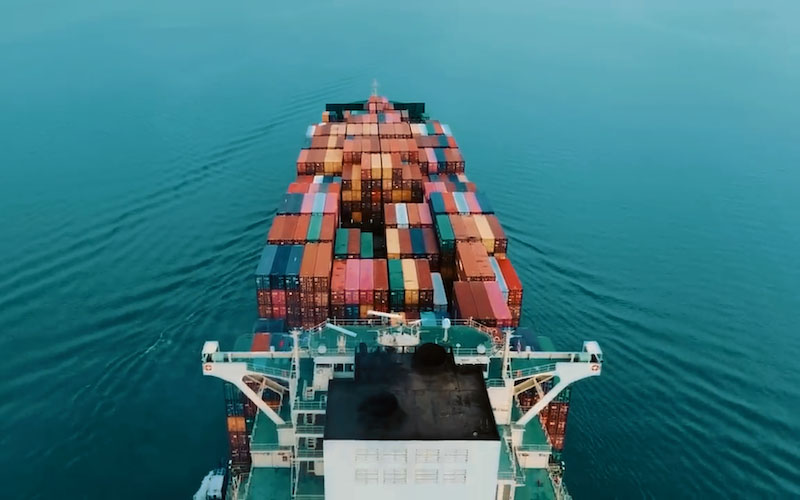
Asian LNG spot prices surged to $25.40 as supply disruptions in Qatar triggered global energy tensions.
2026-03-04 10:57:40
According to APP, the risks to energy supply in the Middle East continue to escalate. Qatar, a major global supplier of liquefied natural gas (LNG), has seen its LNG exports disrupted, directly altering the global energy pricing structure. Qatar's LNG production accounts for approximately 20% of global supply, with Asia being a core consumption region. With the combined risks of production and transportation, volatility in the energy futures market has significantly increased. Traders generally believe that the energy market has entered a typical geopolitical risk-driven pricing phase. ICIS analyst Evan Tan stated that Europe and Asia are currently competing on LNG prices, with ships typically flowing to markets offering higher bids. This arbitrage mechanism will further drive up futures price volatility.

I. Natural Gas Futures Market: Bullish Trend Strengthens Current tight energy supply directly benefits the trend of natural gas futures. The global natural gas futures market is mainly based on the European TTF and the US Henry Hub.

The rise in natural gas futures prices is mainly driven by three factors:
1. Supply reduction
2. Increased regional demand for energy substitution
3. Seasonal inventory replenishment pressure
If Qatar's production capacity cannot be restored in the long term, natural gas futures may further test the current high levels.
II. Crude Oil Futures Market: Risk Premium Drives High-Level Fluctuations <br />The Strait of Hormuz is not only a vital waterway for natural gas transportation but also a core channel for global crude oil transportation. Restrictions on shipping would directly impact global oil supply.

Oil market traders are focusing on supply safety margins rather than simply changes in demand. US President Donald Trump recently stated that the US will strengthen shipping security measures in the Gulf region. The market believes this statement alleviates the risk of extreme supply disruptions to some extent, but does not completely eliminate the geopolitical risk premium.
III. The Transmission of Energy Futures to the Macroeconomy <br />Rising energy prices will further impact the global macroeconomy through the futures market:
1. Rising inflation expectations
2. The Federal Reserve slowed its pace of interest rate cuts.
3. The relative attractiveness of dollar assets increases. Rising energy costs typically erode manufacturing profit margins, thereby affecting economic growth expectations.
IV. Increased Regional Energy Competition Leads to Futures Market Volatility <br/>The current energy market exhibits significant regional differentiation:

V. Key Variables for Future Energy Futures Trends <br/>Future energy futures prices will still depend on three core factors:
1. Will the Middle East conflict escalate?
2. Qatar's LNG production capacity recovery speed
3. If conflicts persist in global macroeconomic demand changes, energy futures may maintain a highly volatile upward trend.
Editor's Summary : The global energy market is currently in a supply shock-driven phase. The shutdown of Qatar's LNG production and shipping risks in the Strait of Hormuz are jointly pushing up energy risk premiums. Natural gas futures are performing stronger, while crude oil futures are maintaining high-level fluctuations. Short-term energy price trends will continue to be dominated by geopolitical events, while long-term trends will depend on the speed of supply chain recovery and changes in global economic demand. The structural volatility risk in the global energy market is clearly increasing.
Frequently Asked Questions
1. Why did natural gas futures rise more than crude oil futures?
Natural gas transportation relies on liquefaction and maritime transport facilities, making the supply chain more fragile. The shutdown of Qatar LNG directly reduces spot market supply, thus making prices more elastic.
2. Why didn't crude oil futures experience a surge?
The United States and some non-Middle Eastern oil-producing countries have relatively sufficient production capacity, and some countries have released strategic reserves, which has buffered the supply shock.
3. How much impact does the Strait of Hormuz have on the futures market?
This shipping route carries approximately 20% of the world's energy transport volume, and a prolonged blockade would significantly increase the risk premium for energy futures.
4. Why are European natural gas futures rising faster?
Europe is highly dependent on energy imports, and the risk of supply disruptions directly affects futures market expectations, making prices more sensitive.
5. Is it possible for energy futures to continue rising in the future?
If the conflict in the Middle East continues and supply recovery is slow, energy futures may maintain a highly volatile upward trend, but a slowdown in the macroeconomy may suppress demand.
I. Natural Gas Futures Market: Bullish Trend Strengthens Current tight energy supply directly benefits the trend of natural gas futures. The global natural gas futures market is mainly based on the European TTF and the US Henry Hub.
The rise in natural gas futures prices is mainly driven by three factors:
1. Supply reduction
2. Increased regional demand for energy substitution
3. Seasonal inventory replenishment pressure
If Qatar's production capacity cannot be restored in the long term, natural gas futures may further test the current high levels.
II. Crude Oil Futures Market: Risk Premium Drives High-Level Fluctuations <br />The Strait of Hormuz is not only a vital waterway for natural gas transportation but also a core channel for global crude oil transportation. Restrictions on shipping would directly impact global oil supply.
Oil market traders are focusing on supply safety margins rather than simply changes in demand. US President Donald Trump recently stated that the US will strengthen shipping security measures in the Gulf region. The market believes this statement alleviates the risk of extreme supply disruptions to some extent, but does not completely eliminate the geopolitical risk premium.
III. The Transmission of Energy Futures to the Macroeconomy <br />Rising energy prices will further impact the global macroeconomy through the futures market:
1. Rising inflation expectations
2. The Federal Reserve slowed its pace of interest rate cuts.
3. The relative attractiveness of dollar assets increases. Rising energy costs typically erode manufacturing profit margins, thereby affecting economic growth expectations.
IV. Increased Regional Energy Competition Leads to Futures Market Volatility <br/>The current energy market exhibits significant regional differentiation:
V. Key Variables for Future Energy Futures Trends <br/>Future energy futures prices will still depend on three core factors:
1. Will the Middle East conflict escalate?
2. Qatar's LNG production capacity recovery speed
3. If conflicts persist in global macroeconomic demand changes, energy futures may maintain a highly volatile upward trend.
Editor's Summary : The global energy market is currently in a supply shock-driven phase. The shutdown of Qatar's LNG production and shipping risks in the Strait of Hormuz are jointly pushing up energy risk premiums. Natural gas futures are performing stronger, while crude oil futures are maintaining high-level fluctuations. Short-term energy price trends will continue to be dominated by geopolitical events, while long-term trends will depend on the speed of supply chain recovery and changes in global economic demand. The structural volatility risk in the global energy market is clearly increasing.
Frequently Asked Questions
1. Why did natural gas futures rise more than crude oil futures?
Natural gas transportation relies on liquefaction and maritime transport facilities, making the supply chain more fragile. The shutdown of Qatar LNG directly reduces spot market supply, thus making prices more elastic.
2. Why didn't crude oil futures experience a surge?
The United States and some non-Middle Eastern oil-producing countries have relatively sufficient production capacity, and some countries have released strategic reserves, which has buffered the supply shock.
3. How much impact does the Strait of Hormuz have on the futures market?
This shipping route carries approximately 20% of the world's energy transport volume, and a prolonged blockade would significantly increase the risk premium for energy futures.
4. Why are European natural gas futures rising faster?
Europe is highly dependent on energy imports, and the risk of supply disruptions directly affects futures market expectations, making prices more sensitive.
5. Is it possible for energy futures to continue rising in the future?
If the conflict in the Middle East continues and supply recovery is slow, energy futures may maintain a highly volatile upward trend, but a slowdown in the macroeconomy may suppress demand.
- Risk Warning and Disclaimer
- The market involves risk, and trading may not be suitable for all investors. This article is for reference only and does not constitute personal investment advice, nor does it take into account certain users’ specific investment objectives, financial situation, or other needs. Any investment decisions made based on this information are at your own risk.