Bank of Japan's Kazuo Ueda emphasized wage growth, but uncertainty remains regarding the path to achieving Japan's inflation target.
2026-03-04 13:26:17
The Bank of Japan's policy remains centered on wage growth and inflation sustainability . According to APP, Bank of Japan Governor Kazuo Ueda recently reiterated that Japan's ability to stably achieve its 2% inflation target depends on sustained wage increases.
He stated that the Bank of Japan will closely monitor whether wage growth can translate into long-term inflationary momentum, rather than just short-term price increases. Kazuo Ueda pointed out that the Japanese economy still faces a typical structural problem: price increases are outpacing income growth. If wage growth fails to keep pace, consumer demand may be suppressed, thereby weakening economic growth. The Bank of Japan's current monetary policy objective remains focused on maintaining economic recovery and price stability, rather than simply suppressing inflation. Therefore, the Bank of Japan prefers gradual adjustments to its interest rate policy rather than aggressive tightening.
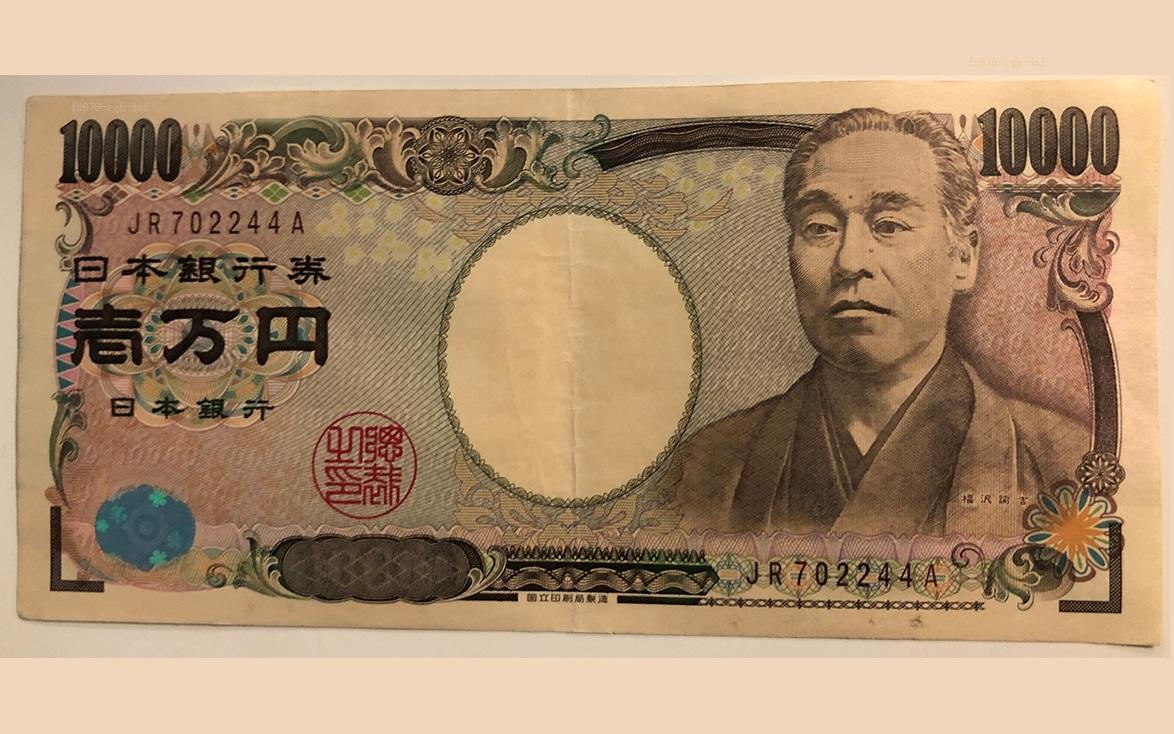 I. Wage growth in Japan becomes a key variable in monetary policy.
Japan's economy has long faced the problem of weak wage growth. Although corporate profits have improved in recent years, wage increases remain lower than in major European and American economies. A comparison of wage growth in Japanese companies:

This structure means that even if prices rise, the actual purchasing power of Japanese residents will increase only slightly.
II. Global Geopolitical Risks as External Variables <br />The Bank of Japan is also monitoring the impact of the Middle East situation on the global economy. Rising energy prices could impact the Japanese economy through import costs. Japan is a typical energy-importing economy, heavily reliant on overseas supplies for crude oil and natural gas. Continued increases in international energy prices will push up domestic production costs in Japan, while simultaneously raising the cost of living for residents.
The impact path of geopolitical conflict:
1. Rising energy prices
2. Increased supply chain transportation costs
3. Declining competitiveness of export-oriented manufacturing: The Bank of Japan believes that external shocks may affect the stability of domestic inflation, therefore monetary policy adjustments need to be more cautious.
III. The Relationship Between the Yen Exchange Rate and Global Capital Flows <br /> Japan's interest rate level remains significantly lower than that of the United States. The United States maintains a higher interest rate level, making capital more inclined to flow into dollar assets.

The low-interest-rate environment supports Japanese companies' financing to some extent, but it may also lead to pressure for capital outflows.
IV. The Bank of Japan's monetary policy path remains moderate. The market generally expects that the Bank of Japan will not raise interest rates significantly in the short term.
The main reasons include:
1. Wage growth has not formed a long-term trend.
2. Domestic consumer demand remains weak.
3. Given the uncertainty surrounding global economic growth, the Bank of Japan is more likely to adopt a gradual approach to adjusting interest rates rather than abruptly changing its monetary policy framework.
Editor's Summary : The Bank of Japan's policy focus remains on whether wage growth can generate sustained inflationary momentum. Kazuo Ueda's latest remarks indicate that Japan's monetary policy will continue to maintain a cautious stance. Currently, the Japanese economy faces a situation of insufficient domestic demand and external energy price shocks. The future direction of the Bank of Japan's policy will mainly depend on wage growth trends, global energy prices, and changes in international capital flows.
Frequently Asked Questions
1. Why does the Bank of Japan pay special attention to wage growth?
Japan has long faced the problem of slow wage growth. If wages don't rise, even with rising prices, residents' real purchasing power will decrease, making sustained economic growth difficult. The Bank of Japan hopes to stimulate a virtuous cycle between consumption and inflation through wage increases.
2. Is it possible that Japan will raise interest rates soon?
The probability of a short-term interest rate hike is low. This is because the Japanese economy is still in a phase of moderate recovery, and wage growth has not yet stabilized, making the Bank of Japan more inclined to adjust its policy gradually.
3. Why do geopolitical conflicts affect the Japanese economy?
Japan is highly dependent on energy imports. Conflicts in the Middle East could drive up crude oil and natural gas prices, thereby increasing Japan's import costs and impacting corporate profits and consumer spending power.
4. What is the future trend of the Japanese yen?
If US interest rates remain high while Japanese interest rates adjust slowly, the yen is likely to continue its weakness. However, if global risk events escalate, the yen may strengthen in the short term due to safe-haven demand.
5. What is the biggest risk to Japan's economic growth?
The biggest risks come from three areas: insufficient wage growth, rising energy prices, and slowing global economic demand. If all three factors occur simultaneously, Japan's economic recovery will face pressure.
He stated that the Bank of Japan will closely monitor whether wage growth can translate into long-term inflationary momentum, rather than just short-term price increases. Kazuo Ueda pointed out that the Japanese economy still faces a typical structural problem: price increases are outpacing income growth. If wage growth fails to keep pace, consumer demand may be suppressed, thereby weakening economic growth. The Bank of Japan's current monetary policy objective remains focused on maintaining economic recovery and price stability, rather than simply suppressing inflation. Therefore, the Bank of Japan prefers gradual adjustments to its interest rate policy rather than aggressive tightening.
I. Wage growth in Japan becomes a key variable in monetary policy.Japan's economy has long faced the problem of weak wage growth. Although corporate profits have improved in recent years, wage increases remain lower than in major European and American economies. A comparison of wage growth in Japanese companies:
This structure means that even if prices rise, the actual purchasing power of Japanese residents will increase only slightly.
II. Global Geopolitical Risks as External Variables <br />The Bank of Japan is also monitoring the impact of the Middle East situation on the global economy. Rising energy prices could impact the Japanese economy through import costs. Japan is a typical energy-importing economy, heavily reliant on overseas supplies for crude oil and natural gas. Continued increases in international energy prices will push up domestic production costs in Japan, while simultaneously raising the cost of living for residents.
The impact path of geopolitical conflict:
1. Rising energy prices
2. Increased supply chain transportation costs
3. Declining competitiveness of export-oriented manufacturing: The Bank of Japan believes that external shocks may affect the stability of domestic inflation, therefore monetary policy adjustments need to be more cautious.
III. The Relationship Between the Yen Exchange Rate and Global Capital Flows <br /> Japan's interest rate level remains significantly lower than that of the United States. The United States maintains a higher interest rate level, making capital more inclined to flow into dollar assets.
The low-interest-rate environment supports Japanese companies' financing to some extent, but it may also lead to pressure for capital outflows.
IV. The Bank of Japan's monetary policy path remains moderate. The market generally expects that the Bank of Japan will not raise interest rates significantly in the short term.
The main reasons include:
1. Wage growth has not formed a long-term trend.
2. Domestic consumer demand remains weak.
3. Given the uncertainty surrounding global economic growth, the Bank of Japan is more likely to adopt a gradual approach to adjusting interest rates rather than abruptly changing its monetary policy framework.
Editor's Summary : The Bank of Japan's policy focus remains on whether wage growth can generate sustained inflationary momentum. Kazuo Ueda's latest remarks indicate that Japan's monetary policy will continue to maintain a cautious stance. Currently, the Japanese economy faces a situation of insufficient domestic demand and external energy price shocks. The future direction of the Bank of Japan's policy will mainly depend on wage growth trends, global energy prices, and changes in international capital flows.
Frequently Asked Questions
1. Why does the Bank of Japan pay special attention to wage growth?
Japan has long faced the problem of slow wage growth. If wages don't rise, even with rising prices, residents' real purchasing power will decrease, making sustained economic growth difficult. The Bank of Japan hopes to stimulate a virtuous cycle between consumption and inflation through wage increases.
2. Is it possible that Japan will raise interest rates soon?
The probability of a short-term interest rate hike is low. This is because the Japanese economy is still in a phase of moderate recovery, and wage growth has not yet stabilized, making the Bank of Japan more inclined to adjust its policy gradually.
3. Why do geopolitical conflicts affect the Japanese economy?
Japan is highly dependent on energy imports. Conflicts in the Middle East could drive up crude oil and natural gas prices, thereby increasing Japan's import costs and impacting corporate profits and consumer spending power.
4. What is the future trend of the Japanese yen?
If US interest rates remain high while Japanese interest rates adjust slowly, the yen is likely to continue its weakness. However, if global risk events escalate, the yen may strengthen in the short term due to safe-haven demand.
5. What is the biggest risk to Japan's economic growth?
The biggest risks come from three areas: insufficient wage growth, rising energy prices, and slowing global economic demand. If all three factors occur simultaneously, Japan's economic recovery will face pressure.
- Risk Warning and Disclaimer
- The market involves risk, and trading may not be suitable for all investors. This article is for reference only and does not constitute personal investment advice, nor does it take into account certain users’ specific investment objectives, financial situation, or other needs. Any investment decisions made based on this information are at your own risk.