Gold and silver prices rose as safe-haven demand rebounded.
2026-03-04 23:15:06
Gold and silver prices rose significantly when the US market opened on Wednesday (March 4). New York gold futures rose to $5,157.4 per ounce, an increase of 0.66%, while London spot gold also climbed to $5,148.08 per ounce, further confirming the strong performance of the precious metals market.

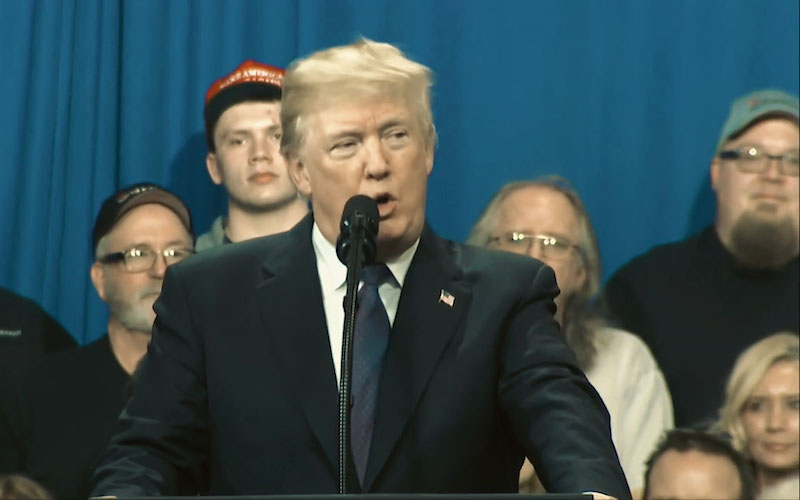
President Trump pledged safe passage for ships in the Middle East. On Tuesday, President Trump stated that the United States would ensure the smooth transport of Middle Eastern oil to avoid an energy crisis that could be triggered by war in the region. The report stated, "The U.S. International Development Finance Corporation will provide insurance support to ensure the smooth flow of energy and other commercial trade in the Gulf region. If necessary, the U.S. Navy will begin escorting oil tankers through the Strait of Hormuz." The report also noted, "Trump's assurances have eased tensions in some markets to some extent, but traders remain skeptical about whether this plan can quickly restore oil transport in the region to normal levels." The shipping industry believes this is only part of a solution to this historic crisis. Shipowners are cautious about insurance arrangements and related costs, believing that given Iran's continued attacks and the limited escort capabilities of the U.S. Navy—as of March 2, some of the 12 U.S. Navy ships available in the Middle East were still involved in military operations against Iran, leaving insufficient forces available for escort—and that the escort mission itself faces threats from Iranian projectiles and small armed vessels, the market's confidence in shipping safety is not so easily resolved.
Emerging Asian markets have been severely impacted by the Middle East conflict. Reports indicate that the Iranian conflict has rapidly transformed emerging markets into one of the least desirable investment destinations for global investors, with clear signs of capital flight. Stock and currency markets in several countries have suffered double blows, and market panic continues to spread. "Stocks and bonds that hit record highs just days ago are now facing immense selling pressure, as traders worry that rising oil prices and a stronger dollar will weaken the growth prospects of some of the world's fastest-growing economies, squeeze corporate profit margins, and exacerbate inflationary pressures. Due to concerns about the Middle East conflict, the South Korean stock market experienced its worst sell-off in history. On March 4th, the Korea Composite Stock Price Index (KOSPI) fell 12.06%, and the KOSDAQ index fell 14%. Combined with the previous day's 7.24% drop, the cumulative decline this week reached 18%, prompting the Korea Exchange to even activate the KOSDAQ circuit breaker mechanism to stabilize the market." Asia has been the hardest hit, and this sudden change has triggered widespread concerns about the investment prospects of emerging markets. Before the war, top fund managers established long-term investment positions in Asia, Latin America, and parts of Europe, the Middle East, and Africa, optimistic about strong growth momentum, easing inflation, and loose global monetary policy in these regions. However, persistently high energy costs will push up corporate production costs, while a strong dollar will exacerbate capital outflows and currency depreciation pressures in emerging markets. This combination of factors could prompt investors to reduce their holdings in these markets, further amplifying market volatility. The report points out that as a major oil importer, India will see rising oil prices directly increase import costs, while US tariffs will further widen its trade deficit. Despite emergency intervention by the Reserve Bank of India, these dual pressures have made it difficult to curb the rupee's depreciation. Once the rupee broke through a key psychological level, the pressure for foreign capital outflows intensified, and the Indian stock and bond markets also faced continued pressure.
Chinese officials hope to maintain stable relations with the United States. The Chinese legislature has expressed its desire to maintain stable relations with the US. Lou Qinjian, spokesperson for the National People's Congress (NPC), clearly stated that China and the US should respect each other, coexist peacefully, and cooperate for mutual benefit. The NPC is willing to maintain contact and exchanges with the US Congress and contribute to the stable and healthy development of China-US relations from a legislative perspective. This statement has injected some stability into global markets and alleviated some market anxiety caused by geopolitical tensions.
Key external market data today showed a slight weakening of the US dollar index, providing some support for rising precious metal prices. This is because the dollar and gold typically have a negative correlation, and a weaker dollar increases the attractiveness of gold and silver. Crude oil prices on the New York Mercantile Exchange rose slightly, currently around $74.75 per barrel. Although the increase was modest, it remains relatively high, reflecting lingering concerns about Middle Eastern energy supplies. The high oil prices further strengthen the demand for gold as an inflation hedge. The yield on the benchmark 10-year US Treasury bond was 4.1%. As a traditional safe-haven asset, the stability of US Treasury yields reflects the current global demand for safe-haven assets, echoing the rise in gold and silver prices.
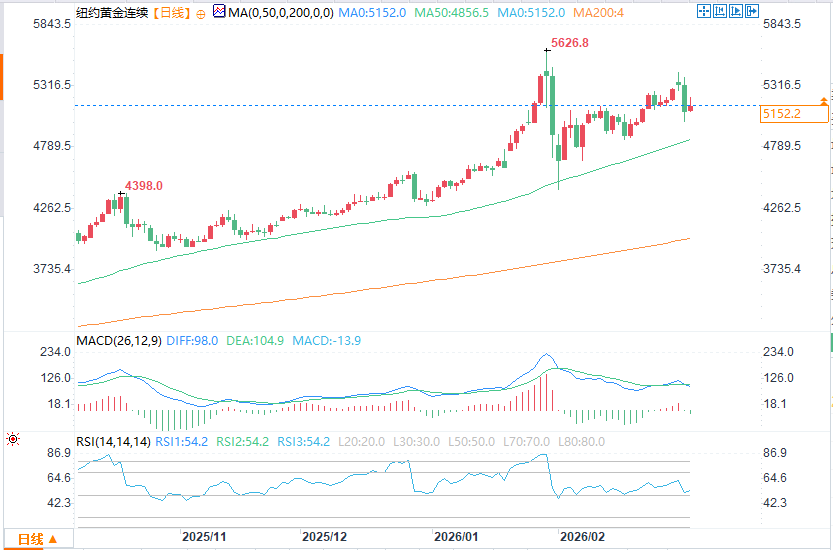
(COMEX Gold Daily Chart Source: FX678)
From a technical perspective, the next upside target for April gold futures is a close above the contract/historical high of $5,626.80, while the next short-term downside target for bears is to push the price below the strong technical support level of $5,000.00, a widely recognized important psychological level that could trigger further technical selling if broken. The first resistance level is at $5,250.00, followed by $5,300.00, both of which are areas of high trading volume in the previous period, requiring sufficient strength from the bulls to break through successfully. The first support levels are located at the overnight low of $5,092.80 and $5,000.00.
The next upside target for March silver futures is a break above strong technical resistance at this week's high of $95.86. Silver possesses both safe-haven and industrial value; the current Middle East situation's safe-haven demand, coupled with a moderate recovery in industrial demand, provides dual impetus for silver price increases. The next downside target for bears is a break below the strong support level of $71.815, the February low. The first resistance level is at $87.50, followed by $90.00. The next support levels are at $83.00 and $81.00.
President Trump pledged safe passage for ships in the Middle East. On Tuesday, President Trump stated that the United States would ensure the smooth transport of Middle Eastern oil to avoid an energy crisis that could be triggered by war in the region. The report stated, "The U.S. International Development Finance Corporation will provide insurance support to ensure the smooth flow of energy and other commercial trade in the Gulf region. If necessary, the U.S. Navy will begin escorting oil tankers through the Strait of Hormuz." The report also noted, "Trump's assurances have eased tensions in some markets to some extent, but traders remain skeptical about whether this plan can quickly restore oil transport in the region to normal levels." The shipping industry believes this is only part of a solution to this historic crisis. Shipowners are cautious about insurance arrangements and related costs, believing that given Iran's continued attacks and the limited escort capabilities of the U.S. Navy—as of March 2, some of the 12 U.S. Navy ships available in the Middle East were still involved in military operations against Iran, leaving insufficient forces available for escort—and that the escort mission itself faces threats from Iranian projectiles and small armed vessels, the market's confidence in shipping safety is not so easily resolved.
Emerging Asian markets have been severely impacted by the Middle East conflict. Reports indicate that the Iranian conflict has rapidly transformed emerging markets into one of the least desirable investment destinations for global investors, with clear signs of capital flight. Stock and currency markets in several countries have suffered double blows, and market panic continues to spread. "Stocks and bonds that hit record highs just days ago are now facing immense selling pressure, as traders worry that rising oil prices and a stronger dollar will weaken the growth prospects of some of the world's fastest-growing economies, squeeze corporate profit margins, and exacerbate inflationary pressures. Due to concerns about the Middle East conflict, the South Korean stock market experienced its worst sell-off in history. On March 4th, the Korea Composite Stock Price Index (KOSPI) fell 12.06%, and the KOSDAQ index fell 14%. Combined with the previous day's 7.24% drop, the cumulative decline this week reached 18%, prompting the Korea Exchange to even activate the KOSDAQ circuit breaker mechanism to stabilize the market." Asia has been the hardest hit, and this sudden change has triggered widespread concerns about the investment prospects of emerging markets. Before the war, top fund managers established long-term investment positions in Asia, Latin America, and parts of Europe, the Middle East, and Africa, optimistic about strong growth momentum, easing inflation, and loose global monetary policy in these regions. However, persistently high energy costs will push up corporate production costs, while a strong dollar will exacerbate capital outflows and currency depreciation pressures in emerging markets. This combination of factors could prompt investors to reduce their holdings in these markets, further amplifying market volatility. The report points out that as a major oil importer, India will see rising oil prices directly increase import costs, while US tariffs will further widen its trade deficit. Despite emergency intervention by the Reserve Bank of India, these dual pressures have made it difficult to curb the rupee's depreciation. Once the rupee broke through a key psychological level, the pressure for foreign capital outflows intensified, and the Indian stock and bond markets also faced continued pressure.
Chinese officials hope to maintain stable relations with the United States. The Chinese legislature has expressed its desire to maintain stable relations with the US. Lou Qinjian, spokesperson for the National People's Congress (NPC), clearly stated that China and the US should respect each other, coexist peacefully, and cooperate for mutual benefit. The NPC is willing to maintain contact and exchanges with the US Congress and contribute to the stable and healthy development of China-US relations from a legislative perspective. This statement has injected some stability into global markets and alleviated some market anxiety caused by geopolitical tensions.
Key external market data today showed a slight weakening of the US dollar index, providing some support for rising precious metal prices. This is because the dollar and gold typically have a negative correlation, and a weaker dollar increases the attractiveness of gold and silver. Crude oil prices on the New York Mercantile Exchange rose slightly, currently around $74.75 per barrel. Although the increase was modest, it remains relatively high, reflecting lingering concerns about Middle Eastern energy supplies. The high oil prices further strengthen the demand for gold as an inflation hedge. The yield on the benchmark 10-year US Treasury bond was 4.1%. As a traditional safe-haven asset, the stability of US Treasury yields reflects the current global demand for safe-haven assets, echoing the rise in gold and silver prices.
(COMEX Gold Daily Chart Source: FX678)
From a technical perspective, the next upside target for April gold futures is a close above the contract/historical high of $5,626.80, while the next short-term downside target for bears is to push the price below the strong technical support level of $5,000.00, a widely recognized important psychological level that could trigger further technical selling if broken. The first resistance level is at $5,250.00, followed by $5,300.00, both of which are areas of high trading volume in the previous period, requiring sufficient strength from the bulls to break through successfully. The first support levels are located at the overnight low of $5,092.80 and $5,000.00.
The next upside target for March silver futures is a break above strong technical resistance at this week's high of $95.86. Silver possesses both safe-haven and industrial value; the current Middle East situation's safe-haven demand, coupled with a moderate recovery in industrial demand, provides dual impetus for silver price increases. The next downside target for bears is a break below the strong support level of $71.815, the February low. The first resistance level is at $87.50, followed by $90.00. The next support levels are at $83.00 and $81.00.
- Risk Warning and Disclaimer
- The market involves risk, and trading may not be suitable for all investors. This article is for reference only and does not constitute personal investment advice, nor does it take into account certain users’ specific investment objectives, financial situation, or other needs. Any investment decisions made based on this information are at your own risk.