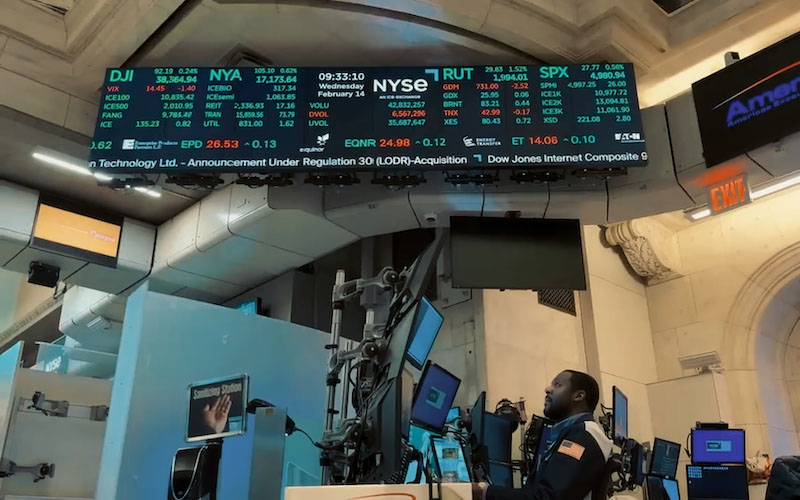
Iran faces the threat of ground forces and Kurdish militias poised to strike.
2026-03-06 15:21:27
This minority group, which makes up 8% to 17% of Iran's total population, is standing at a crossroads between national demands and geopolitical competition. The movements of its armed groups may rewrite the course of the Middle East war.
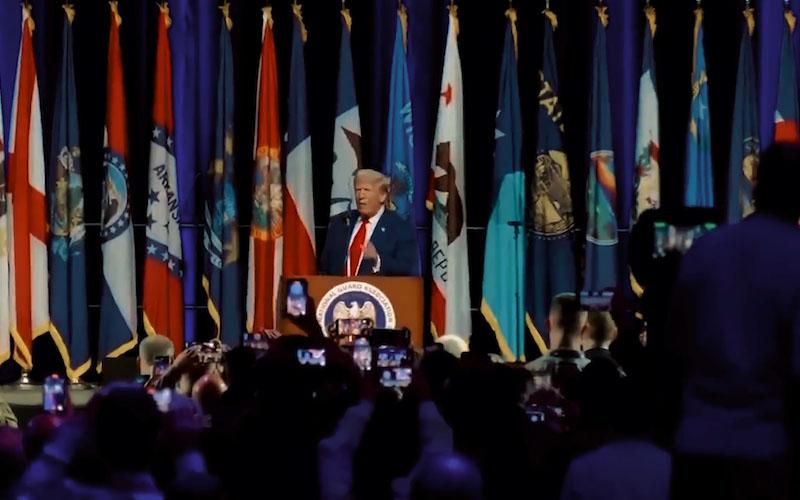
The Kurds are the fourth largest ethnic group in the Middle East, with a global population between 25 million and 45 million. Their core settlement area spans the mountainous region bordering Iran, Turkey, Iraq, and Syria.
Since the collapse of the Ottoman Empire and the division of the Middle East by the Western Allied Powers after World War I, the Kurds have never been able to establish an independent sovereign state, and the ethnic groups scattered across the four countries have long suffered varying degrees of oppression.
In Iran, the Kurds are predominantly Sunni Muslims, and there is a deep religious and ethnic divide between them and the Shia-dominated central government.
Their language teaching was restricted, their cultural identity was suppressed, and their struggle for autonomy or independence never ceased for decades. Although the Republic of Mahabad, established in 1946, lasted only 11 months, it became a spiritual symbol of the Kurdish national independence movement.
Subsequently, armed groups such as KDPI, PAK, and PJAK used the semi-autonomous Kurdish region of Iraq as their base to continue low-intensity guerrilla warfare against the Iranian regime. Some members also participated in the fight against ISIS, accumulating practical experience.
Today, this ethnic conflict, which has lasted for decades, is being reactivated by geopolitical forces.
The United States and Israel view Iranian Kurdish forces as "proxies" who are manipulating regional situations, and have long provided them with financial, weapons and intelligence support.
In early March 2026, US President Trump spoke with Kurdish leaders, pledging to provide "extensive air cover";
Israel continues its airstrikes on military bases and border posts in Iran's Kurdish provinces, clearing the way for a potential uprising.
According to sources, the CIA initiated an armed plan against Iranian Kurdish forces several months ago, and thousands of militants are gathering on the Iranian border, preparing to launch a ground offensive.
However, this action faces two constraints: on the one hand, the Kurdish forces have made it clear that unless they obtain reliable airspace guarantees and a no-fly zone, rashly participating in the war would be tantamount to a "suicide mission";
On the other hand, the Iraqi Kurdistan Regional Government has publicly denied involvement in operations against Iraq and declared that it will "remain neutral," which has created uncertainty for the supply and transit routes of armed personnel.
The intervention of external forces has further complicated the situation. Historically, the Kurds have repeatedly become "pawns" in the power struggles of major powers: in 1991, the United States instigated the Iraqi Kurds to rebel against Saddam Hussein's regime, but stood idly by when they were suppressed;
The US withdrawal from Syria in 2019 directly exposed the local Kurdish forces to Turkish military strikes;
After the change of government in Syria in 2024, the Kurdish-controlled areas were recaptured by the new regime.
These painful experiences have made Iranian Kurdish forces wary of US and Israeli support. As Urban Cunningham, a researcher at the Royal United Services Institute, put it: "When Trump or Netanyahu asks the Kurds to fight against the Iranian regime, they will inevitably think of the lessons learned by the Syrian Kurds."
The current conflict has escalated subtly, with the Iranian military launching a missile attack on the headquarters of Kurdish armed forces in Iraq on March 5, 2026, in response to rumors of a so-called "cross-border offensive."
Turkey, citing "counter-terrorism self-defense" and "establishing a humanitarian buffer zone," has deployed heavy armored forces to the Turkish-Iranian border. Its elite Second Army has been deployed to Van and Hakkari, with firepower capable of covering Kurdish strongholds 40 kilometers deep within Iranian territory.
Turkey's intervention was not out of support for the Kurds, but rather out of concern that the separatist wave would spread to its own country—where 20% of the population are Kurds, and the conflict with the Kurdistan Workers' Party (PKK) has already claimed tens of thousands of lives.
The risks of this potential conflict go far beyond ethnic resistance itself. If the Kurdish forces launch a large-scale offensive, it could not only provoke a brutal crackdown by Iranian security forces, but also trigger a chain reaction among other ethnic minorities such as Azerbaijanis and Balochists, exacerbating the risk of civil war and national disintegration in Iran.
Neighboring countries such as Iraq and Pakistan have clearly expressed their support for Iran's territorial integrity, while the neutral stance of the Iraqi Kurdistan Region has made it difficult for the "proxy war" hoped for by the US and Israel to proceed smoothly.
A statement by Iraqi First Lady and Kurdish activist Shanaz Ibrahim Ahmed articulated the plight of the ethnic group: "Kurds are often only remembered when they are needed to make sacrifices; we are not an armed force available for hire."
Today, this armed force, pushed to the forefront by geopolitical competition, faces a difficult choice that could affect global asset prices: whether to risk being betrayed again and ignite ground war, or to find a balance between national demands and practical survival.
As a "sensitive probe" of geopolitical risks in the Middle East, the Kurdish region has long been the "Achilles' heel" of Iran's national security, and any disturbance there will directly activate the safe-haven properties of gold.
Once the conflict escalates and crosses a critical point, the stability of the Persian Gulf energy corridor will be disrupted, and the uncertainty of the Middle East situation will surge. Global capital will accelerate its influx into gold, a traditional safe-haven asset, pushing gold prices toward historical highs.
Every decision made by the Kurdish armed forces not only concerns the fate of their own ethnic group, but also becomes a key variable affecting the fluctuations of the international gold market, stirring the nerves of global investors.
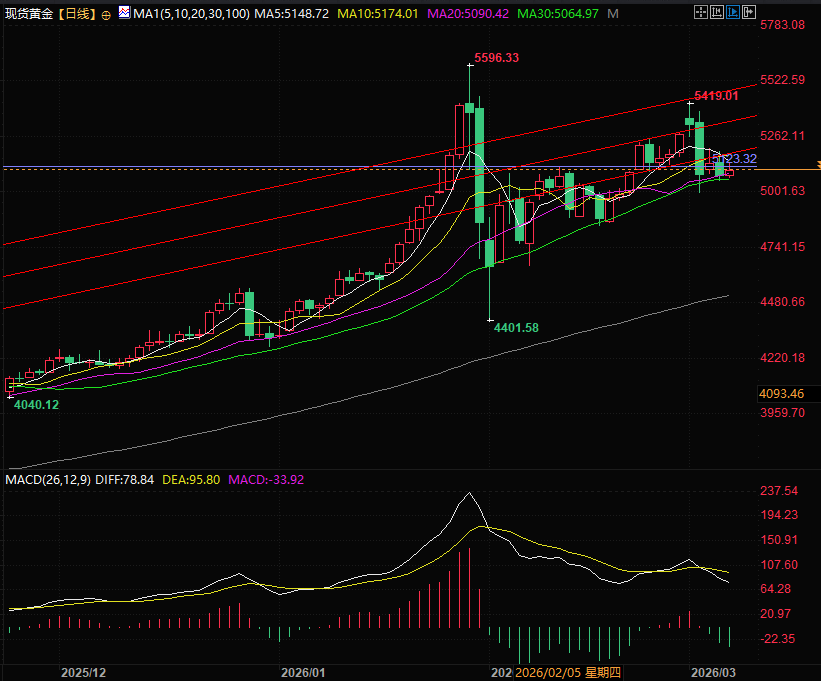
(Spot gold daily chart, source: FX678)
At 15:19 Beijing time, spot gold was trading at $5,114 per ounce.
Historical grievances: The Kurdish people's national predicament and struggle
The Kurds are the fourth largest ethnic group in the Middle East, with a global population between 25 million and 45 million. Their core settlement area spans the mountainous region bordering Iran, Turkey, Iraq, and Syria.
Since the collapse of the Ottoman Empire and the division of the Middle East by the Western Allied Powers after World War I, the Kurds have never been able to establish an independent sovereign state, and the ethnic groups scattered across the four countries have long suffered varying degrees of oppression.
In Iran, the Kurds are predominantly Sunni Muslims, and there is a deep religious and ethnic divide between them and the Shia-dominated central government.
Their language teaching was restricted, their cultural identity was suppressed, and their struggle for autonomy or independence never ceased for decades. Although the Republic of Mahabad, established in 1946, lasted only 11 months, it became a spiritual symbol of the Kurdish national independence movement.
Subsequently, armed groups such as KDPI, PAK, and PJAK used the semi-autonomous Kurdish region of Iraq as their base to continue low-intensity guerrilla warfare against the Iranian regime. Some members also participated in the fight against ISIS, accumulating practical experience.
External forces: The US and Israel's "proxy" arrangements and armed support
Today, this ethnic conflict, which has lasted for decades, is being reactivated by geopolitical forces.
The United States and Israel view Iranian Kurdish forces as "proxies" who are manipulating regional situations, and have long provided them with financial, weapons and intelligence support.
In early March 2026, US President Trump spoke with Kurdish leaders, pledging to provide "extensive air cover";
Israel continues its airstrikes on military bases and border posts in Iran's Kurdish provinces, clearing the way for a potential uprising.
According to sources, the CIA initiated an armed plan against Iranian Kurdish forces several months ago, and thousands of militants are gathering on the Iranian border, preparing to launch a ground offensive.
However, this action faces two constraints: on the one hand, the Kurdish forces have made it clear that unless they obtain reliable airspace guarantees and a no-fly zone, rashly participating in the war would be tantamount to a "suicide mission";
On the other hand, the Iraqi Kurdistan Regional Government has publicly denied involvement in operations against Iraq and declared that it will "remain neutral," which has created uncertainty for the supply and transit routes of armed personnel.
Lessons from the Past: The Kurds' Vigilance Against External Support
The intervention of external forces has further complicated the situation. Historically, the Kurds have repeatedly become "pawns" in the power struggles of major powers: in 1991, the United States instigated the Iraqi Kurds to rebel against Saddam Hussein's regime, but stood idly by when they were suppressed;
The US withdrawal from Syria in 2019 directly exposed the local Kurdish forces to Turkish military strikes;
After the change of government in Syria in 2024, the Kurdish-controlled areas were recaptured by the new regime.
These painful experiences have made Iranian Kurdish forces wary of US and Israeli support. As Urban Cunningham, a researcher at the Royal United Services Institute, put it: "When Trump or Netanyahu asks the Kurds to fight against the Iranian regime, they will inevitably think of the lessons learned by the Syrian Kurds."
Escalation of Conflict: Border Standoff and Movements of Multiple Forces
The current conflict has escalated subtly, with the Iranian military launching a missile attack on the headquarters of Kurdish armed forces in Iraq on March 5, 2026, in response to rumors of a so-called "cross-border offensive."
Turkey, citing "counter-terrorism self-defense" and "establishing a humanitarian buffer zone," has deployed heavy armored forces to the Turkish-Iranian border. Its elite Second Army has been deployed to Van and Hakkari, with firepower capable of covering Kurdish strongholds 40 kilometers deep within Iranian territory.
Turkey's intervention was not out of support for the Kurds, but rather out of concern that the separatist wave would spread to its own country—where 20% of the population are Kurds, and the conflict with the Kurdistan Workers' Party (PKK) has already claimed tens of thousands of lives.
Chain of risks: The potential for national disintegration and regional instability behind the conflict
The risks of this potential conflict go far beyond ethnic resistance itself. If the Kurdish forces launch a large-scale offensive, it could not only provoke a brutal crackdown by Iranian security forces, but also trigger a chain reaction among other ethnic minorities such as Azerbaijanis and Balochists, exacerbating the risk of civil war and national disintegration in Iran.
Neighboring countries such as Iraq and Pakistan have clearly expressed their support for Iran's territorial integrity, while the neutral stance of the Iraqi Kurdistan Region has made it difficult for the "proxy war" hoped for by the US and Israel to proceed smoothly.
Difficult Choice: The Safe-Haven Logic of Gold Amid Geopolitical Games
A statement by Iraqi First Lady and Kurdish activist Shanaz Ibrahim Ahmed articulated the plight of the ethnic group: "Kurds are often only remembered when they are needed to make sacrifices; we are not an armed force available for hire."
Today, this armed force, pushed to the forefront by geopolitical competition, faces a difficult choice that could affect global asset prices: whether to risk being betrayed again and ignite ground war, or to find a balance between national demands and practical survival.
As a "sensitive probe" of geopolitical risks in the Middle East, the Kurdish region has long been the "Achilles' heel" of Iran's national security, and any disturbance there will directly activate the safe-haven properties of gold.
Once the conflict escalates and crosses a critical point, the stability of the Persian Gulf energy corridor will be disrupted, and the uncertainty of the Middle East situation will surge. Global capital will accelerate its influx into gold, a traditional safe-haven asset, pushing gold prices toward historical highs.
Every decision made by the Kurdish armed forces not only concerns the fate of their own ethnic group, but also becomes a key variable affecting the fluctuations of the international gold market, stirring the nerves of global investors.
(Spot gold daily chart, source: FX678)
At 15:19 Beijing time, spot gold was trading at $5,114 per ounce.
- Risk Warning and Disclaimer
- The market involves risk, and trading may not be suitable for all investors. This article is for reference only and does not constitute personal investment advice, nor does it take into account certain users’ specific investment objectives, financial situation, or other needs. Any investment decisions made based on this information are at your own risk.